June 08, 2026
Buying land is one of the most important financial decisions a person can make. Unlike purchasing a house or an apartment, land offers flexibility and long-term potential. It can be used to build a home, start a business, develop a commercial project, or simply serve as an investment that grows in value over time. However, not every plot of land is a good investment. A poor decision can lead to legal troubles, financial losses, and years of frustration.
Many buyers focus only on the price of the land. While affordability is important, there are several other factors that should be carefully evaluated before making a purchase. Understanding these factors can help ensure that the land you buy meets your needs and provides value in the future.
Understand Your Purpose
Before searching for land, it is important to clearly define why you are buying it.
Some people purchase land to build a house. Others buy it for farming, commercial development, industrial use, or long-term investment. The purpose of the purchase will influence nearly every decision you make.
For example, land suitable for agriculture may not be ideal for residential construction. Similarly, a plot intended for a commercial building should be located in an area with strong business activity and accessibility.
Knowing your objective helps narrow your options and prevents costly mistakes.
Location Is Everything
One of the most important factors in real estate is location.
A good location can significantly increase the value of land over time, while a poor location can limit future opportunities. When evaluating a plot, consider nearby schools, hospitals, transportation facilities, markets, and workplaces.
Accessibility is equally important. A plot located near major roads or highways is often more desirable because it provides convenient transportation and easier access to essential services.
You should also pay attention to future development plans in the area. Locations expected to receive new infrastructure projects often experience rapid appreciation in land value.
Verify Ownership Carefully
Before purchasing any land, verify that the seller has legal ownership of the property.
This step is critical because ownership disputes can become complicated and expensive to resolve. Request all ownership documents and ensure that the seller’s name matches official records.
It is advisable to examine the title deed carefully and confirm that the property has been legally transferred through previous transactions.
Hiring a qualified property lawyer can help identify any legal issues before they become serious problems.
Check the Title Deed
The title deed is one of the most important documents in any land transaction.
This document establishes legal ownership and contains essential information about the property. Buyers should confirm that the title is clear, authentic, and free from disputes.
Any uncertainty regarding the title should be investigated thoroughly before proceeding with the purchase.
A clear title not only protects your ownership rights but also makes it easier to sell the property in the future.
Ensure There Are No Legal Disputes
Land involved in legal disputes can create years of complications.
Before purchasing, verify that the property is not subject to court cases, ownership claims, family disputes, or government acquisition proceedings.
Many buyers overlook this step because the property appears attractive or affordable. However, resolving legal conflicts can take significant time and money.
A thorough legal review can help prevent such issues.
Check Land Classification
Not all land can be used for the same purpose.
Governments classify land based on its intended use. Some land is designated for agriculture, while other plots are approved for residential, commercial, or industrial development.
Before buying, confirm that the land classification matches your intended purpose.
Purchasing agricultural land with plans to build a residential property may require additional approvals or legal conversions depending on local regulations.
Understanding these restrictions beforehand can save considerable effort later.
Inspect the Site Personally
Photographs and online listings can only reveal so much about a property.
Visiting the site in person allows you to assess its actual condition. You can evaluate the terrain, surroundings, accessibility, drainage, and overall environment.
A physical inspection may also reveal issues such as encroachments, poor road access, uneven land levels, or nearby activities that could affect future development.
Multiple visits at different times of the day can provide a more complete picture of the area.
Evaluate Infrastructure and Utilities
A plot of land becomes significantly more valuable when essential infrastructure is available.
Electricity, water supply, drainage systems, internet connectivity, and road access all contribute to a property’s usability and value.
If these services are not currently available, investigate whether they are planned for the near future.
The availability of infrastructure often influences both development costs and future resale value.
Check Water Availability
Water is a critical resource for both residential and agricultural purposes.
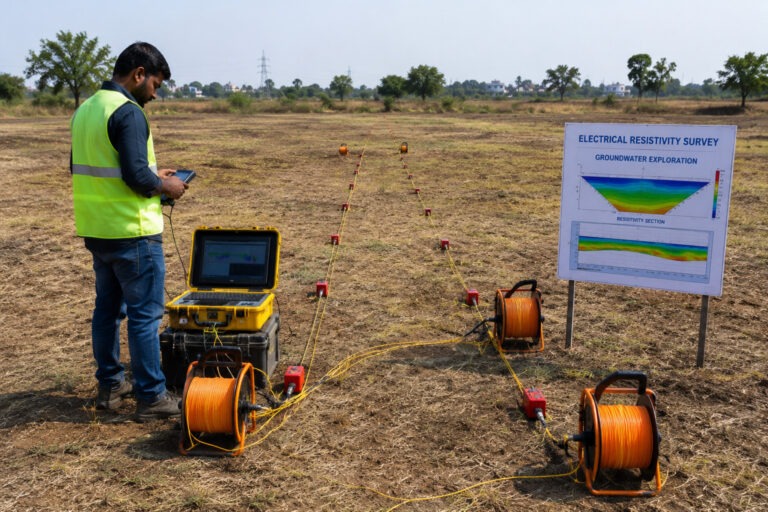
Before purchasing land, determine whether there is access to groundwater, municipal water connections, or other reliable water sources.
In some areas, water scarcity can become a serious challenge. A property that appears attractive initially may become difficult to develop if adequate water resources are unavailable.
Understanding local water conditions is therefore essential.
Consider Flood Risks and Environmental Factors
Natural conditions can greatly impact a property’s value and usability.
Investigate whether the land is located in a flood-prone area or vulnerable to erosion and other environmental hazards.
Local residents can often provide valuable information about seasonal flooding, drainage issues, and weather-related challenges.
A plot with recurring environmental problems may require costly mitigation measures before development can begin.
Research Future Development Plans
One of the most effective ways to identify promising investment opportunities is by studying future development projects.
New highways, railway stations, airports, industrial zones, and commercial centers can dramatically increase nearby land values.
Government development plans are often publicly available and can provide valuable insight into the future growth potential of an area.
Buying land before major development occurs can offer significant long-term returns.
Verify Property Boundaries
Boundary disputes are surprisingly common in land transactions.
Before purchasing, ensure that the property’s boundaries are clearly defined and accurately documented.
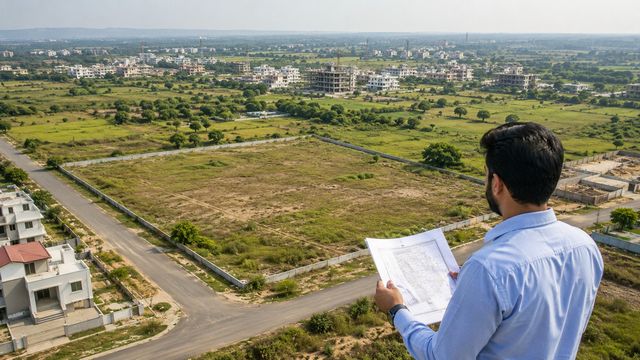
A professional land survey can confirm the exact dimensions and location of the plot.
This helps prevent future conflicts with neighboring property owners and ensures that the land being sold matches official records.
Understand Market Prices
Many first-time buyers pay more than necessary because they fail to research market prices.
Compare the asking price with similar properties in the surrounding area. Speak with local real estate professionals and review recent transactions if possible.
Understanding market conditions helps you determine whether the property is fairly priced and strengthens your negotiating position.
A well-informed buyer is less likely to overpay.
Think About Resale Potential
Even if you intend to keep the land for many years, it is wise to consider future resale value.
Market conditions can change, and circumstances may require you to sell the property later.
Land located in growing areas with strong infrastructure and good accessibility is generally easier to sell and often commands higher prices.
Considering resale potential from the beginning is a smart investment strategy.
The Importance of Professional Advice
Buying land involves legal, financial, and technical considerations.
Working with qualified professionals can reduce risk and provide valuable guidance throughout the process. Property lawyers can verify documents, surveyors can confirm boundaries, and real estate experts can help assess market value.
The cost of professional advice is often small compared to the financial risks associated with purchasing unsuitable or problematic land.
Making a Smart Land Purchase
Buying land is more than simply finding an affordable plot. It requires careful research, legal verification, financial planning, and a clear understanding of future goals.
A successful land purchase combines a strong location, clear legal ownership, proper infrastructure, growth potential, and a price that reflects market value. Taking the time to evaluate these factors thoroughly can help you avoid costly mistakes and make a confident investment.
Whether you plan to build a home, start a business, or invest for the future, choosing the right land is a decision that can provide benefits for many years to come. Careful planning today can turn a simple piece of land into one of the most valuable assets you ever own.