The Amazon Rainforest is one of the most extraordinary natural wonders on Earth. Covering millions of square kilometers across South America, it is the largest tropical rainforest in the world. Often called the “Lungs of the Earth,” the Amazon plays a vital role in maintaining the planet’s climate and supporting an incredible variety of life. Its vast forests, winding rivers, and rich ecosystems make it one of the most valuable treasures of nature.
The Amazon is much more than a collection of trees. It is a living world filled with countless species of plants and animals, many of which cannot be found anywhere else. It provides resources, regulates weather patterns, and supports indigenous communities that have lived there for centuries. For these reasons, the Amazon is truly a treasure of life.
The World’s Largest Rainforest
The Amazon Rainforest stretches across several South American countries, with the largest portion located in Brazil. It also extends into Peru, Colombia, Venezuela, Ecuador, Bolivia, Guyana, Suriname, and French Guiana.
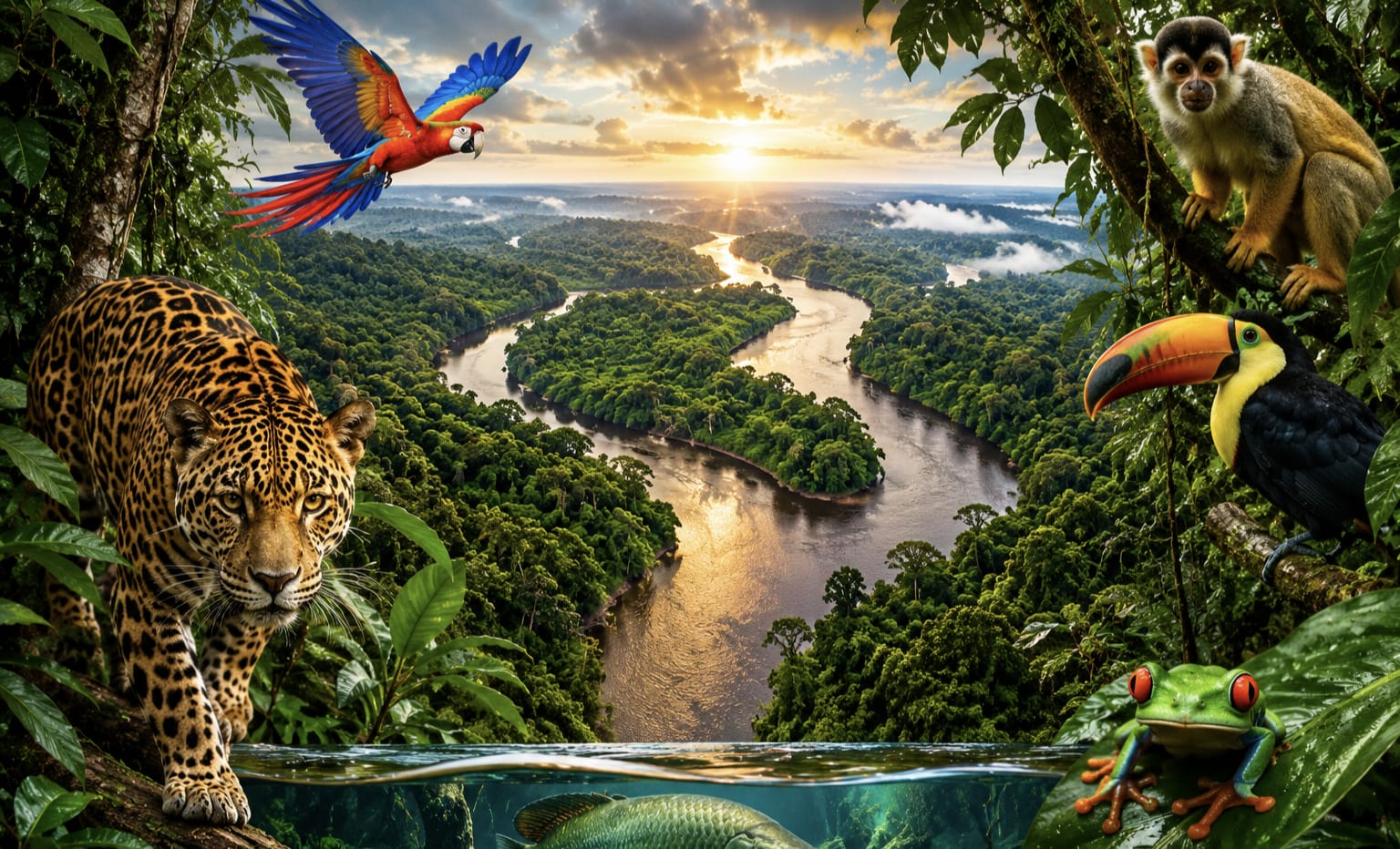
This enormous rainforest covers an area larger than many countries combined. Its dense vegetation creates a green canopy that stretches as far as the eye can see. The Amazon River, one of the longest and most powerful rivers in the world, flows through the forest, providing water and life to countless species.
A Home for Incredible Biodiversity
One of the most remarkable features of the Amazon is its biodiversity. Scientists estimate that millions of species live within the rainforest, many of which have not yet been discovered.
The forest is home to colorful birds, powerful jaguars, playful monkeys, giant river otters, poison dart frogs, and thousands of species of insects. The rivers contain unique fish such as piranhas and pink river dolphins.
The Amazon’s plant life is equally impressive. Towering trees, exotic flowers, medicinal plants, and rare species thrive in its warm and humid environment. This diversity makes the rainforest one of the richest ecosystems on Earth.
The Importance of the Amazon River
Flowing through the heart of the rainforest, the Amazon River is essential to the region’s survival. It carries enormous volumes of water and supports countless forms of life.
The river provides transportation for local communities and serves as a source of food and freshwater. Its network of tributaries creates habitats for fish, reptiles, birds, and mammals.
The Amazon River is not only important to South America but also plays a role in global water cycles and climate systems.
The Lungs of the Earth
The Amazon is often called the “Lungs of the Earth” because of its role in producing oxygen and absorbing carbon dioxide. Trees and plants use carbon dioxide during photosynthesis and release oxygen into the atmosphere.
By storing vast amounts of carbon, the rainforest helps reduce the effects of climate change. Its forests regulate temperatures and influence rainfall patterns across large regions.
Without the Amazon, the balance of Earth’s climate could be significantly affected, making its protection a global priority.
Indigenous Communities and Their Connection to Nature
For thousands of years, indigenous peoples have lived in the Amazon Rainforest. These communities possess valuable knowledge about the forest’s plants, animals, and ecosystems.
They rely on the rainforest for food, shelter, medicine, and cultural traditions. Many indigenous groups have developed sustainable ways of living that allow them to coexist with nature without damaging it.
Their wisdom demonstrates the importance of respecting and preserving natural resources for future generations.
Medicinal Treasures of the Forest
The Amazon is often described as a natural pharmacy. Many plants found in the rainforest contain compounds used in modern medicine.
Scientists continue to study Amazonian plants in search of treatments for diseases and health conditions. Some medicines already used today have origins in rainforest plants.
Protecting the Amazon may lead to future medical discoveries that could improve and save countless lives.
Threats Facing the Amazon
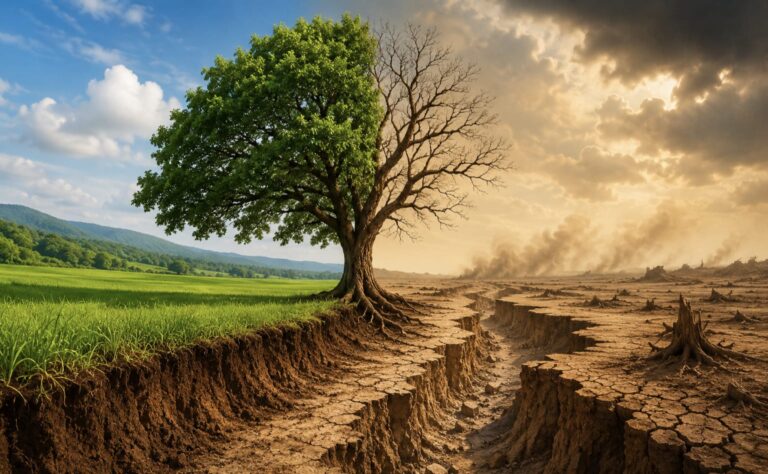
Despite its importance, the Amazon faces numerous challenges. Deforestation, illegal logging, mining, and agricultural expansion continue to reduce forest areas.
When trees are removed, wildlife loses habitat, biodiversity declines, and stored carbon is released into the atmosphere. These activities can contribute to climate change and environmental degradation.
Forest fires and pollution also threaten the health of the ecosystem. If these problems continue unchecked, the consequences could affect both local communities and the entire planet.
Conservation Efforts
Many organizations, governments, scientists, and local communities are working to protect the Amazon. Conservation programs focus on reducing deforestation, preserving wildlife habitats, and supporting sustainable development.
Protected areas and national parks help safeguard important ecosystems. Environmental education programs raise awareness about the rainforest’s value and encourage responsible practices.
International cooperation is essential because the Amazon’s importance extends far beyond national borders.
Lessons from the Amazon
The Amazon teaches valuable lessons about interconnectedness and balance. Every plant, animal, river, and community plays a role in maintaining the health of the ecosystem.
The rainforest reminds us that nature’s systems are connected and that human well-being depends on environmental health. By respecting and protecting nature, we help ensure a sustainable future for all living things.
Conclusion
The Amazon Rainforest is truly a treasure of life. Its vast forests, incredible biodiversity, powerful rivers, and indigenous cultures make it one of the most valuable natural resources on Earth. It supports countless species, helps regulate the global climate, and provides benefits that reach far beyond South America.
Protecting the Amazon is not only the responsibility of the countries where it exists but also a shared responsibility of humanity. By supporting conservation efforts and promoting sustainable practices, we can help preserve this remarkable treasure for future generations.