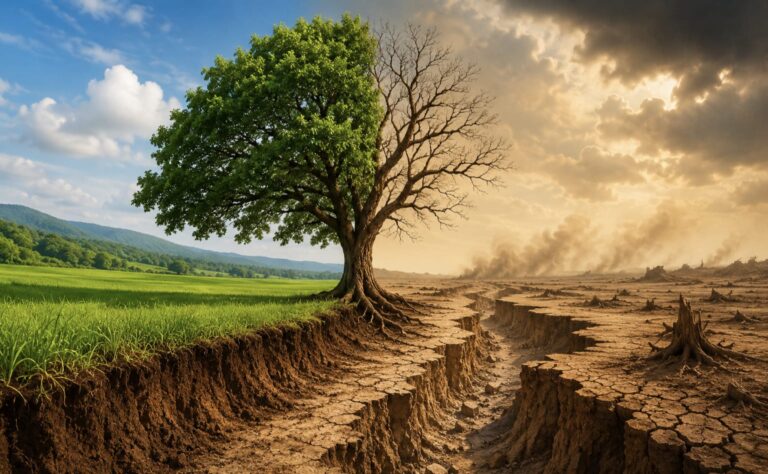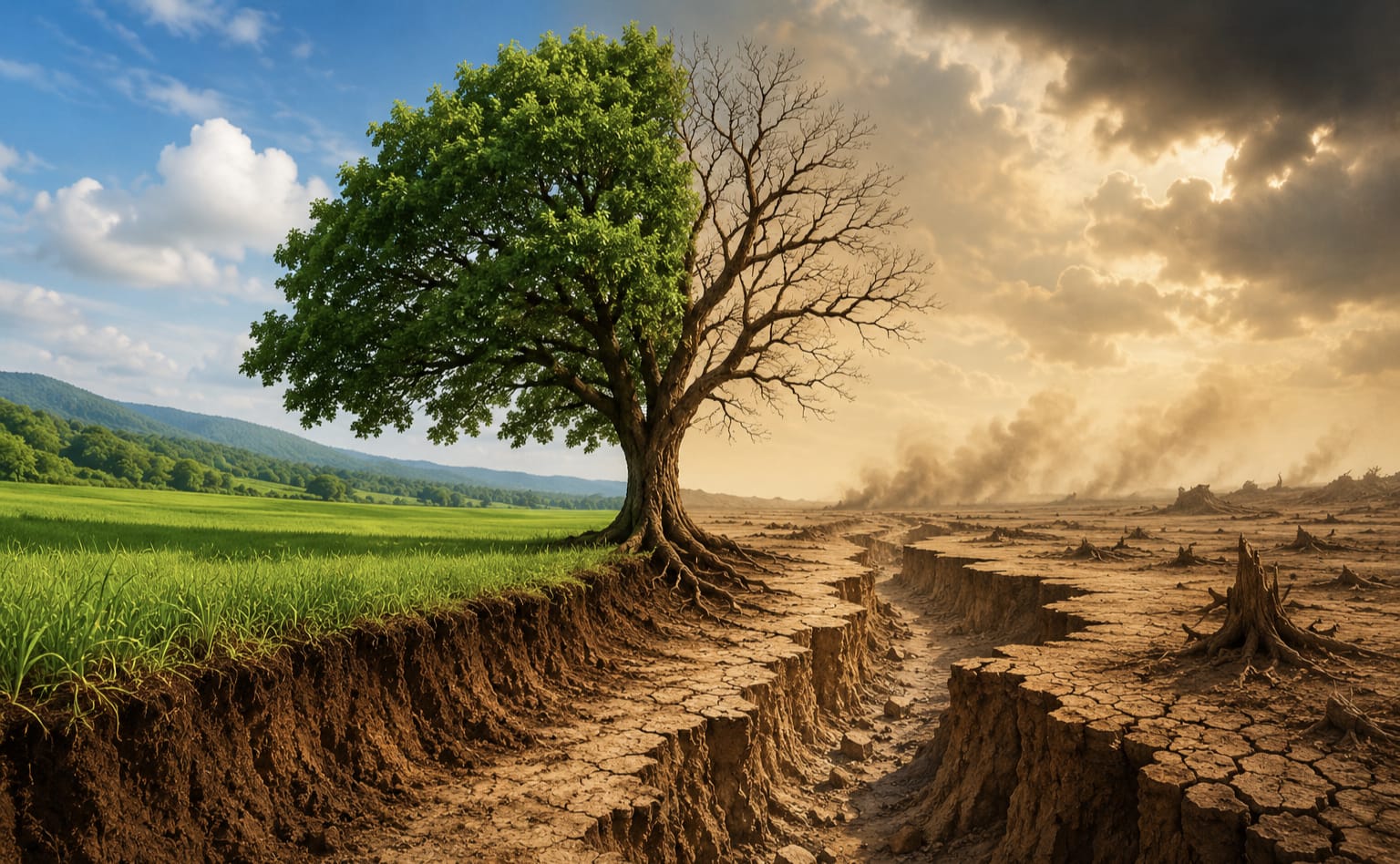
Beneath our feet lies one of the most valuable resources on Earth—soil. It supports plant growth, stores water, provides nutrients, and forms the foundation of agriculture. Despite its importance, soil is disappearing at an alarming rate due to erosion. Often overlooked, soil erosion is a silent environmental crisis that threatens food security, biodiversity, and the health of ecosystems worldwide. The story of vanishing earth is not just about dirt being washed away; it is about the gradual loss of a resource that sustains life itself.
What Is Soil Erosion?
Soil erosion is the process by which the top layer of soil is removed by natural forces such as water, wind, ice, or gravity. While erosion is a natural process, human activities have accelerated it dramatically. The topsoil, which is rich in organic matter and nutrients, is particularly vulnerable. Since topsoil takes hundreds of years to form, its loss can have long-lasting consequences.
The fertile top layer of soil is essential for growing crops and maintaining healthy ecosystems. When this layer is stripped away, the land becomes less productive and more susceptible to environmental damage.
Causes of Soil Erosion
- Deforestation
Trees and vegetation play a crucial role in holding soil together with their roots. When forests are cleared for agriculture, construction, or urban development, the protective cover is removed. Without roots to anchor the soil, rain and wind can easily carry it away.
- Unsustainable Farming Practices
Agricultural activities can contribute significantly to soil erosion. Overgrazing by livestock, excessive plowing, and the continuous cultivation of crops without allowing the land to recover weaken soil structure. These practices leave the soil exposed and vulnerable to erosion.
- Water Erosion
Heavy rainfall and floods can wash away large amounts of topsoil. In areas without sufficient vegetation, water flows rapidly over the surface, carrying soil particles into rivers, lakes, and oceans.
- Wind Erosion
In dry and arid regions, strong winds can lift and transport loose soil over long distances. Wind erosion is especially common in areas where vegetation has been removed or damaged.
- Urbanization and Construction
Rapid urban growth often involves clearing land and disturbing natural landscapes. Construction activities expose bare soil, increasing the risk of erosion during rainstorms and windy conditions.
The Consequences of Soil Erosion
Reduced Agricultural Productivity
One of the most serious impacts of soil erosion is the loss of fertile land. Crops depend on nutrient-rich topsoil for healthy growth. As soil fertility declines, farmers experience lower crop yields and may need to rely on expensive fertilizers to maintain production.
Water Pollution
Eroded soil often ends up in rivers, lakes, and reservoirs. Sediment can clog waterways, reduce water quality, and harm aquatic life. Nutrients and chemicals attached to soil particles can also contaminate water sources.
Increased Flooding
Healthy soil absorbs and stores water. When erosion removes topsoil, the land loses its ability to retain moisture. As a result, rainwater runs off more quickly, increasing the risk of flooding and reducing groundwater recharge.
Loss of Biodiversity
Many organisms depend on healthy soil for survival. Earthworms, insects, microorganisms, and plants all contribute to soil health. When erosion degrades the soil, these organisms lose their habitat, leading to reduced biodiversity.
Contribution to Climate Change
Soil stores significant amounts of carbon. When soil erodes, some of this carbon is released into the atmosphere as carbon dioxide, contributing to climate change. Degraded soils are also less effective at storing carbon in the future.
Soil Erosion Around the World
Soil erosion is a global problem affecting countries on every continent. In many developing nations, poor land management practices and population pressure have accelerated land degradation. Farmers often cultivate steep slopes and marginal lands, increasing the risk of erosion.
Even developed countries face challenges. Intensive agriculture, urban expansion, and deforestation continue to threaten soil health. According to environmental experts, billions of tons of fertile soil are lost each year worldwide, making soil erosion one of the most significant environmental issues of our time.
How Nature Protects Soil
Nature has its own methods for preventing erosion. Forests, grasslands, and wetlands act as natural barriers that stabilize soil and reduce the impact of wind and water.
Plant roots bind soil particles together, while leaves and vegetation slow down rainfall before it reaches the ground. Organic matter improves soil structure and increases its ability to absorb water. Healthy ecosystems demonstrate how effective natural solutions can be in protecting the earth’s surface.
Solutions to Soil Erosion
Planting Trees and Vegetation
Reforestation and afforestation are among the most effective ways to combat soil erosion. Trees stabilize the soil with their roots and provide protection against wind and rain.
Conservation Agriculture
Farmers can adopt practices such as no-till farming, crop rotation, and cover cropping. These methods help maintain soil structure, improve fertility, and reduce erosion.
Terracing
In hilly or mountainous regions, terraces can slow the flow of water and reduce soil loss. Terracing has been used successfully for centuries in many parts of the world.
Controlled Grazing
Managing livestock carefully prevents overgrazing and allows vegetation to recover. Healthy grass cover protects the soil and reduces erosion.
Building Windbreaks
Rows of trees or shrubs planted around fields can reduce wind speed and protect soil from being blown away.
Public Awareness and Education
Educating communities about the importance of soil conservation is essential. When people understand the value of soil, they are more likely to support sustainable land management practices.
The Role of Individuals
Everyone can contribute to soil conservation. Planting gardens, reducing unnecessary land disturbance, supporting sustainable agriculture, and participating in tree-planting initiatives can make a positive difference.
Consumers can also choose products from farms that use environmentally friendly practices. Small actions, when combined across communities, can have a significant impact on protecting soil resources.
Conclusion
The story of vanishing earth is a warning about the consequences of neglecting one of our most precious natural resources. Soil erosion may occur gradually, but its effects are far-reaching and long-lasting. It threatens food production, damages ecosystems, pollutes water sources, and contributes to climate change.
Protecting soil is not only an environmental responsibility but also a necessity for human survival. By adopting sustainable practices, restoring natural landscapes, and raising awareness about soil conservation, we can slow the loss of fertile land and ensure a healthier future for generations to come. The earth beneath our feet may seem permanent, but without care and protection, it can slowly disappear. The time to act is now, before more of our valuable soil becomes part of the story of vanishing earth.