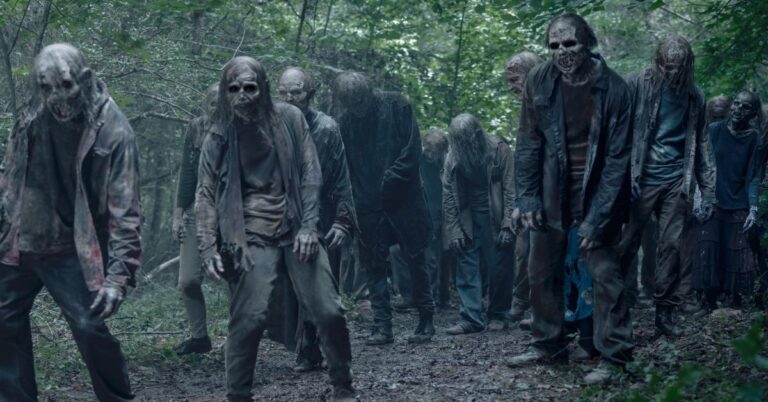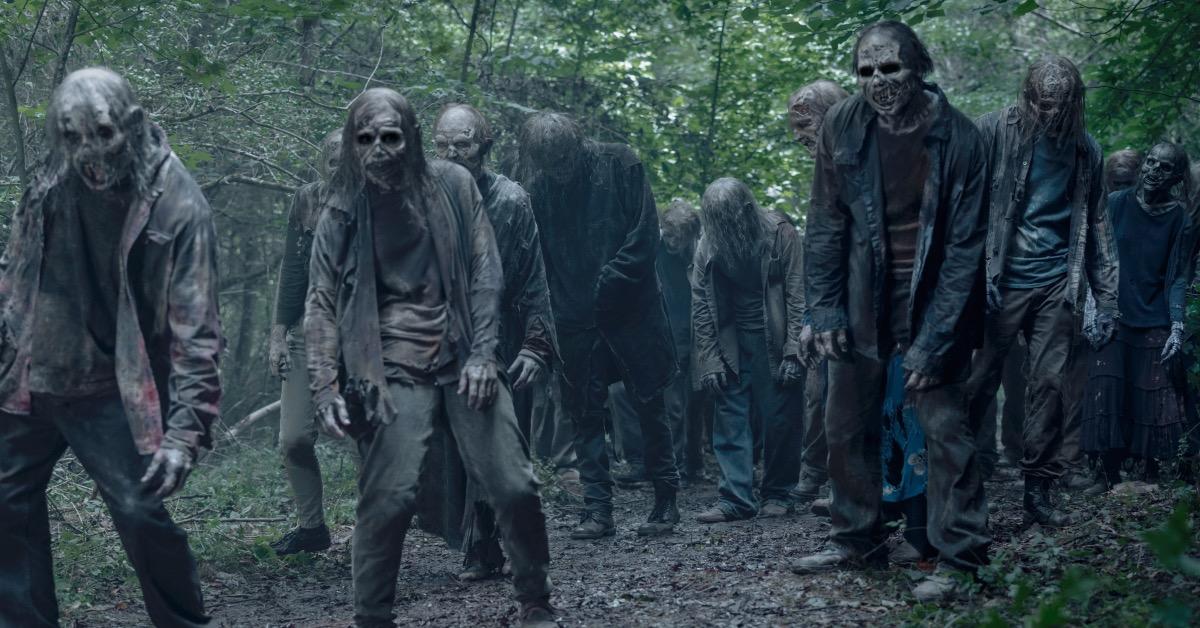
Zombies have become one of the most popular creatures in movies, books, television shows, and video games. These fictional beings are often portrayed as dead people who return to life and wander in search of human victims. From horror films to survival stories, zombies have captured the imagination of audiences around the world.
But could zombies actually exist? While the undead creatures seen in fiction are not real, many zombie myths have surprising connections to science. Certain diseases, parasites, chemicals, and psychological conditions can alter behavior in ways that resemble some aspects of zombie stories. Exploring these scientific explanations helps us understand how myths and reality sometimes overlap.
What Is a Zombie?
In popular culture, a zombie is usually described as a person who has died and somehow returned to life. Zombies are often portrayed as lacking intelligence, moving slowly, and acting purely on instinct.
The modern zombie image has evolved through decades of films, novels, and television series. While these creatures are fictional, many elements of zombie lore are inspired by real-world observations and scientific phenomena.
Understanding the science behind these myths reveals how imagination can grow from real biological and psychological events.
The Influence of Ancient Beliefs
Stories about the dead returning to life have existed for centuries. Various cultures have legends about spirits, revenants, and undead beings.
Some of the earliest zombie traditions originated in Haitian folklore, where stories described individuals supposedly brought back from death through supernatural means. These tales contributed to the modern concept of zombies and inspired many later fictional portrayals.
Although these stories were rooted in cultural beliefs, scientists have explored possible natural explanations behind some of the reported cases.
Parasites That Control Behavior
One of the most fascinating scientific inspirations for zombie myths comes from parasites.
A well-known example is the fungus Ophiocordyceps. This fungus infects ants and gradually alters their behavior. Infected ants leave their colonies, climb vegetation, and attach themselves to leaves before the fungus completes its life cycle.
To observers, these insects may appear to have lost control of their actions, leading some people to describe them as “zombie ants.”
Although this fungus cannot turn humans into zombies, it demonstrates that organisms can influence the behavior of other living creatures.
Rabies and Zombie-Like Symptoms
Another scientific explanation often linked to zombie myths is the disease Rabies.
Rabies affects the nervous system and can cause symptoms such as:
- Aggressive behavior
- Confusion
- Difficulty swallowing
- Excessive salivation
- Fear of water
- Unusual movements
Some of these symptoms resemble behaviors commonly associated with fictional zombies. Because rabies can spread through bites, it has often been compared to the infections seen in zombie movies.
However, rabies does not reanimate the dead or create actual zombies.
Sleep Disorders and Altered States
Certain medical conditions can create experiences that contribute to zombie myths.
Sleep paralysis occurs when a person becomes temporarily unable to move while falling asleep or waking up. During these episodes, individuals may experience vivid hallucinations and feelings of fear.
In the past, people who lacked scientific explanations sometimes interpreted these experiences as supernatural encounters involving spirits or undead beings.
Modern neuroscience helps explain these events as natural brain processes rather than evidence of zombies.
Chemicals and Zombie Legends
Some researchers have investigated whether certain chemicals might have contributed to zombie folklore.
In a few documented cases, toxins affecting the nervous system caused individuals to appear unconscious or lifeless for extended periods. If medical knowledge was limited, observers might mistakenly believe a person had died.
When recovery occurred later, stories could emerge suggesting that the individual had returned from the dead.
Although these situations are rare, they demonstrate how misunderstandings can fuel myths and legends.
The Psychology of Fear
Human psychology plays a major role in the popularity of zombie stories.
Zombies often symbolize fears that societies face during different periods of history, including:
- Disease outbreaks
- Loss of identity
- Social collapse
- Technological change
- Environmental disasters
Because zombies represent threats that spread rapidly and affect entire populations, they serve as powerful symbols for collective fears.
This psychological connection helps explain why zombie stories remain popular across generations.
Could a Real Zombie Apocalypse Happen?
According to current scientific understanding, a true zombie apocalypse involving dead people returning to life is impossible.
When a person dies, biological processes begin to break down cells and tissues. The brain quickly loses the ability to function, making reanimation impossible with present scientific knowledge.
However, outbreaks of disease, neurological disorders, or behavior-altering infections can sometimes create situations that resemble aspects of fictional zombie scenarios.
These possibilities are scientific realities, but they are very different from the undead creatures portrayed in movies.
Zombies in Modern Entertainment
Today, zombies continue to dominate popular culture. Films, television series, books, and video games have transformed zombies into some of the most recognizable fictional monsters.
Stories often explore themes of survival, teamwork, courage, and human resilience. In many cases, the focus is less on the zombies themselves and more on how people respond to extraordinary challenges.
This combination of fear, adventure, and human drama keeps zombie stories relevant and entertaining.
Lessons from Zombie Myths
Despite being fictional, zombie myths teach valuable lessons.
They encourage discussions about:
- Public health
- Disease prevention
- Scientific literacy
- Emergency preparedness
- Human behavior during crises
By examining the science behind these myths, people can better understand both the natural world and the power of storytelling.
Conclusion
The science behind zombie myths reveals a fascinating blend of biology, psychology, medicine, and culture. While real zombies do not exist, certain parasites, diseases, toxins, and neurological conditions can create behaviors that resemble aspects of zombie legends.
These scientific explanations help us understand how myths develop and why they continue to capture our imagination. Zombies remain popular not because they are real, but because they allow us to explore fears, challenges, and questions about human nature.
The next time you watch a zombie movie or read a zombie story, remember that behind the fiction lies an intriguing world of real science waiting to be discovered.