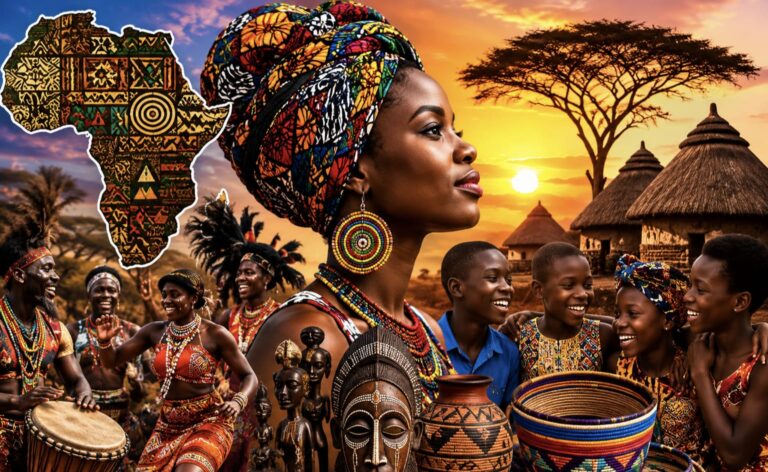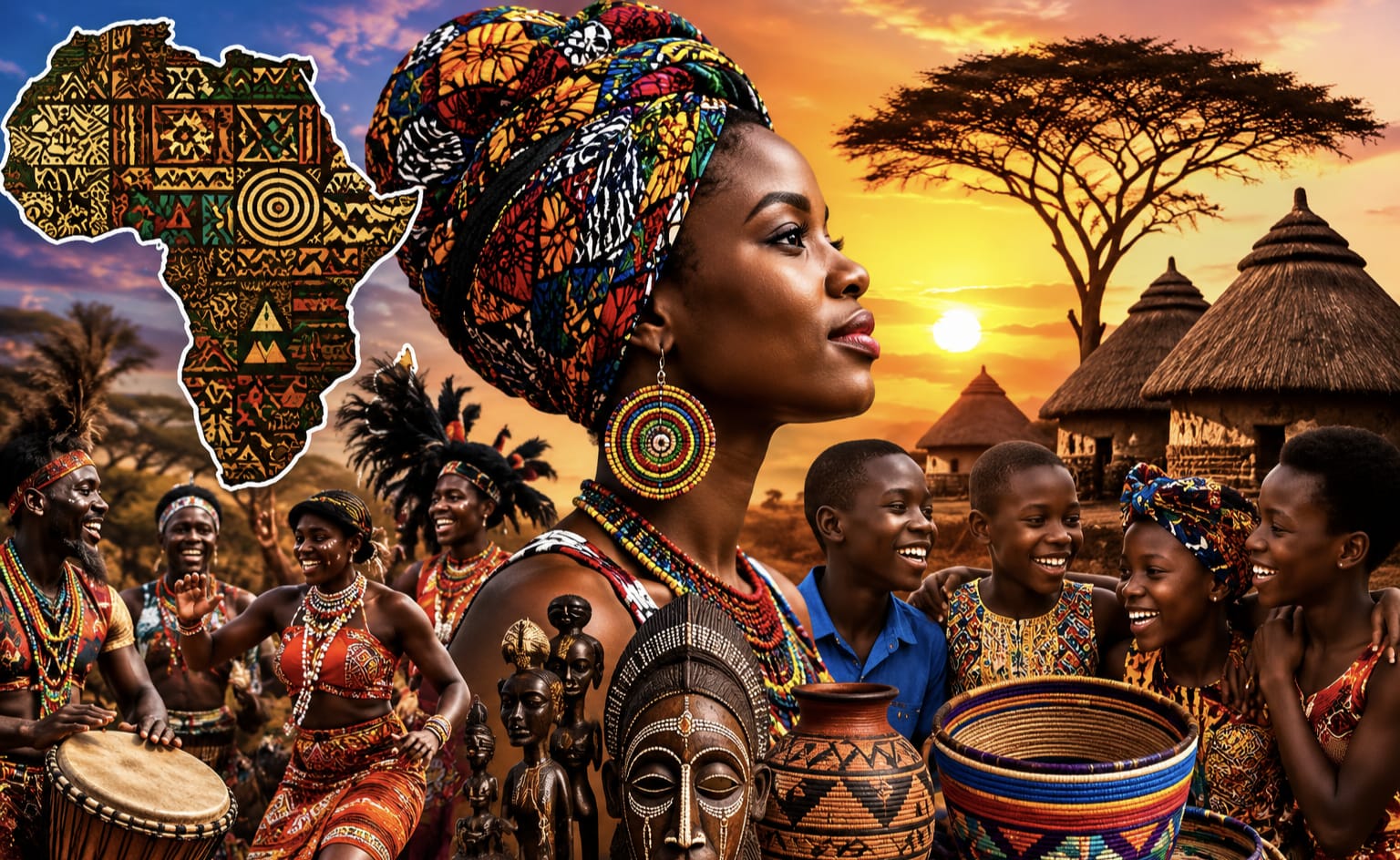
Africa is a continent unlike any other. Often referred to as the cradle of humanity, it is home to a rich and diverse cultural heritage that has evolved over thousands of years. Stretching across 54 countries and inhabited by more than a billion people, Africa contains an extraordinary variety of languages, traditions, beliefs, and artistic expressions. While each region and community has its own unique identity, together they form a vibrant cultural mosaic that continues to inspire the world.
African culture is unique because of its deep connection to community, its respect for tradition, its artistic creativity, and its ability to adapt while preserving its heritage. From colorful festivals and traditional music to ancient storytelling and strong family values, African culture reflects the resilience, wisdom, and spirit of its people.
A Continent of Diversity
One of the most remarkable aspects of African culture is its diversity. Africa is home to more than 3,000 ethnic groups and over 2,000 languages. Each group has its own customs, traditions, clothing, cuisine, and ways of life.
The cultures of North Africa differ greatly from those of West, East, Central, and Southern Africa. Despite these differences, many African societies share common values such as respect for elders, hospitality, and community cooperation. This diversity makes Africa one of the most culturally rich regions in the world.
The Importance of Community
In many African societies, community is at the heart of daily life. People often view themselves as part of a larger family or community rather than as isolated individuals. The success of one person is often seen as the success of the entire group.
Families frequently live close to one another and support each other during both celebrations and challenges. Neighbors help one another with farming, construction, childcare, and other responsibilities. This sense of togetherness creates strong social bonds and promotes unity.
The African philosophy often summarized as “I am because we are” reflects the belief that individuals thrive through their relationships with others. This communal spirit remains one of the defining features of African culture.
Rich Traditions and Customs
African traditions have been passed down from generation to generation for centuries. These traditions often mark important life events such as births, coming-of-age ceremonies, marriages, and funerals.
Many communities celebrate these occasions with music, dancing, special clothing, and symbolic rituals. Such traditions help preserve cultural identity and teach younger generations about their heritage.
Traditional ceremonies are not merely social gatherings; they are opportunities to strengthen family ties, honor ancestors, and celebrate community values.
The Power of Storytelling
Storytelling is one of Africa’s oldest and most treasured cultural practices. Before written records became common, history, wisdom, and moral lessons were passed down through oral traditions.
Storytellers, often respected elders, used tales, proverbs, songs, and poems to educate and entertain. These stories taught important values such as courage, honesty, respect, and perseverance.
Even today, storytelling remains an important part of African culture. It helps preserve history and connects younger generations with the experiences of their ancestors.
Music and Dance as Expressions of Life
Music and dance play a central role in African culture. They are not simply forms of entertainment but powerful ways of expressing emotions, celebrating events, and strengthening social connections.
Traditional African music often features drums, flutes, string instruments, and rhythmic singing. Different regions have developed their own musical styles and instruments, creating a rich variety of sounds.
Dance accompanies many cultural celebrations, including weddings, harvest festivals, and religious ceremonies. Through movement and rhythm, people express joy, gratitude, unity, and cultural pride.
African music has also had a profound influence on global musical genres, including jazz, blues, reggae, hip-hop, and many forms of contemporary popular music.
Unique Art and Craftsmanship
African art is admired around the world for its creativity and symbolism. Artists use wood, clay, stone, metal, beads, and fabric to create beautiful works that often carry cultural or spiritual meanings.
Masks, sculptures, pottery, jewelry, and textiles are among the most famous forms of African art. These creations frequently tell stories, honor ancestors, or represent important cultural beliefs.
Traditional crafts are often passed down through families, preserving artistic skills and cultural knowledge. Today, African art continues to inspire artists and collectors globally.
Colorful Clothing and Fashion
African clothing reflects the continent’s diversity and creativity. Traditional garments vary widely from region to region and often feature bright colors, intricate patterns, and symbolic designs.
Many fabrics are handmade and carry cultural significance. Clothing may indicate social status, ethnic identity, marital status, or participation in special ceremonies.
Modern African fashion combines traditional designs with contemporary styles, creating unique and innovative trends that are gaining international recognition.
Diverse and Flavorful Cuisine
Food is another important part of African culture. The continent’s diverse climates and agricultural traditions have produced a wide variety of cuisines.
Staple foods include grains, vegetables, fruits, legumes, fish, and meats. Popular dishes vary greatly between regions but often emphasize fresh ingredients and bold flavors.
Meals are frequently shared among family members and guests, reflecting the importance of hospitality and community. Sharing food is considered a sign of friendship, respect, and generosity.
Respect for Elders and Ancestors
Many African cultures place great importance on respecting elders. Older members of the community are valued for their wisdom, knowledge, and life experience.
Elders often play key roles in resolving conflicts, guiding younger generations, and preserving traditions. Their advice is highly respected and sought after.
Many communities also honor their ancestors, believing that the wisdom and legacy of previous generations continue to influence the present. This connection between past and present strengthens cultural identity and continuity.
Adaptation and Resilience
African culture has faced numerous challenges throughout history, including colonization, conflict, and social change. Despite these difficulties, African communities have shown remarkable resilience.
Rather than abandoning their traditions, many societies have adapted them to modern circumstances. Traditional values continue to coexist with technological advancement, urban development, and globalization.
This ability to preserve cultural heritage while embracing change is one of the reasons African culture remains vibrant and relevant today.
Conclusion
What makes African culture so unique is its extraordinary diversity, deep sense of community, rich traditions, artistic creativity, and enduring resilience. Across the continent, people celebrate their heritage through music, dance, storytelling, art, food, and family values. These cultural treasures have been preserved for generations and continue to influence the world in countless ways.
African culture is not a single story but a collection of thousands of unique stories woven together into a magnificent tapestry. By understanding and appreciating these traditions, we gain a deeper appreciation for the richness of human culture and the remarkable contributions of Africa to our shared global heritage.