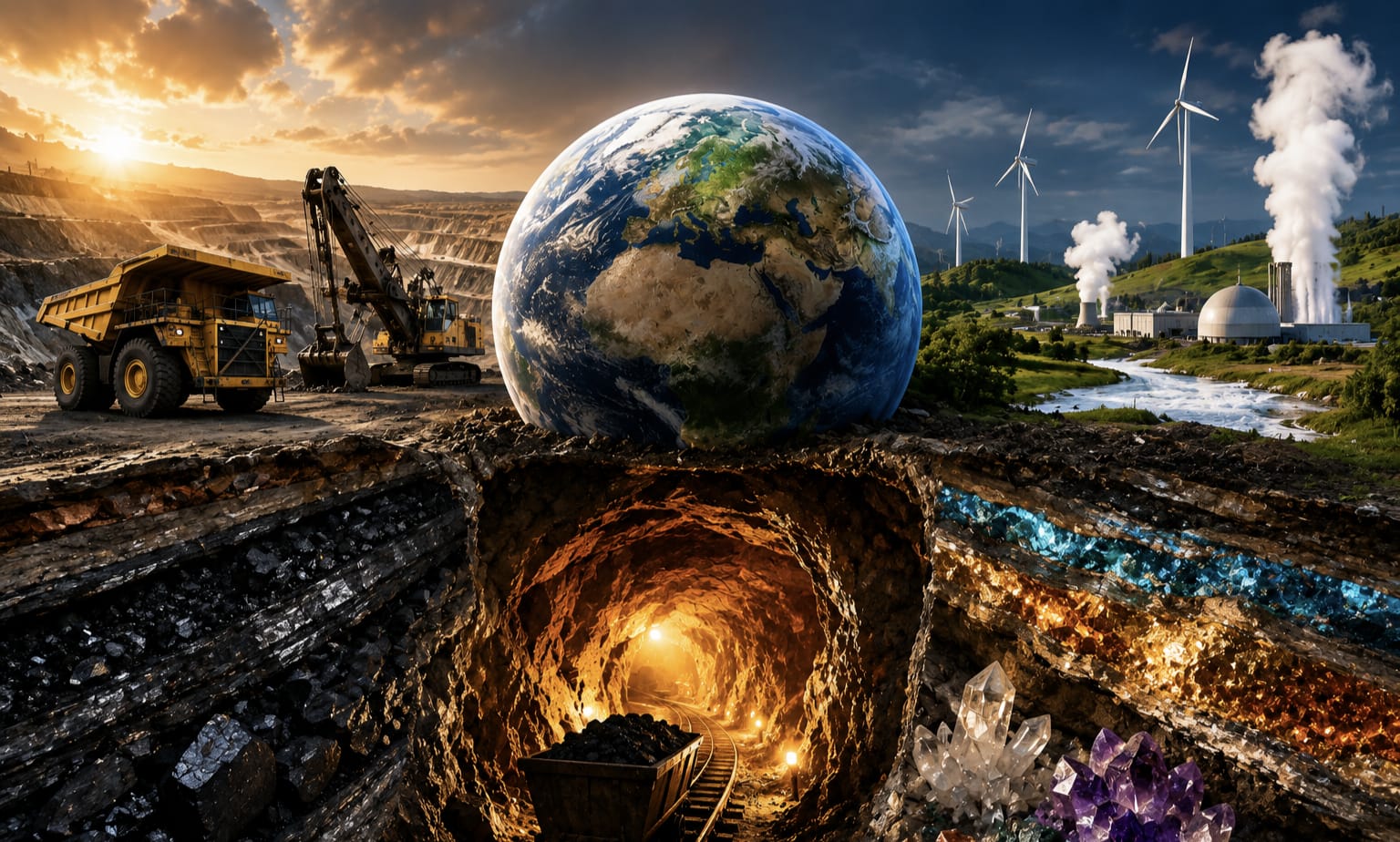
Beneath the surface of our planet lies a vast world filled with valuable resources, powerful energy sources, and geological wonders. For centuries, humanity has explored the Earth’s depths to uncover materials that support daily life and drive economic development. From coal and minerals to geothermal energy and rare metals, the Earth’s hidden power has played a crucial role in shaping civilizations and advancing technology.
The process of discovering and utilizing these underground resources is a remarkable story of science, engineering, and human determination. As the world’s demand for energy and raw materials continues to grow, understanding and responsibly managing these resources has become more important than ever. Unlocking the Earth’s hidden power is not just about extracting valuable materials—it is about balancing progress with environmental sustainability and ensuring a better future for generations to come.
The Riches Beneath Our Feet
The Earth contains an incredible variety of natural resources. Deep underground, layers of rock hold coal, oil, natural gas, metals, and minerals that have accumulated over millions of years. These resources serve as the foundation of modern industries and provide the materials needed to build homes, manufacture products, and generate electricity.
Coal, often called “black gold,” has powered industries since the Industrial Revolution. Metals such as iron, copper, and aluminum are essential for construction, transportation, and technology. Precious minerals and rare earth elements are used in smartphones, computers, batteries, and renewable energy systems.
Without these hidden resources, modern society would look very different. Roads, bridges, vehicles, and countless everyday items depend on materials extracted from beneath the Earth’s surface.
Coal: The Historic Energy Giant
Among the Earth’s underground treasures, coal has been one of the most significant energy sources in human history. Formed from ancient plants that lived millions of years ago, coal stores enormous amounts of energy.
For generations, coal mines have supplied fuel for factories, power plants, and transportation systems. The availability of coal played a major role in industrial growth across the world. It enabled large-scale manufacturing, powered steam engines, and supported economic development.
Although many countries are now investing in cleaner energy sources, coal continues to contribute to global energy production. Advances in mining technology have improved safety and efficiency, allowing miners to access deeper and more complex deposits.
Mining: Unlocking Underground Resources
Mining is the primary method used to access the Earth’s hidden resources. Depending on the location and depth of a resource, different mining techniques are employed.
Surface mining is used when resources are located close to the ground. This method involves removing layers of soil and rock to reach valuable deposits. Underground mining, on the other hand, involves tunnels and shafts that allow workers and equipment to reach deeper resources.
Modern mining operations rely on advanced machinery, computer systems, and geological surveys. Engineers carefully plan extraction processes to maximize efficiency while minimizing environmental impact. Innovations such as automated equipment and remote monitoring have significantly improved safety in the mining industry.
Mining remains one of the most challenging yet essential industries in the world. It provides the raw materials necessary for economic growth and technological advancement.
Geothermal Energy: Power from Within
One of the most exciting forms of the Earth’s hidden power is geothermal energy. Unlike fossil fuels, geothermal energy comes directly from the heat generated inside the Earth.
Deep beneath the surface, temperatures rise dramatically due to heat from the planet’s core. In some regions, this heat reaches groundwater, creating hot springs, geysers, and underground reservoirs of steam.
Geothermal power plants use this natural heat to generate electricity. Because the Earth’s internal heat is constantly replenished, geothermal energy is considered a renewable and sustainable resource. It produces minimal greenhouse gas emissions and provides reliable power throughout the year.
As countries search for cleaner energy alternatives, geothermal technology is becoming an increasingly important part of the global energy landscape.
The Role of Minerals in Modern Technology
Modern technology depends heavily on minerals extracted from the Earth. Smartphones, laptops, electric vehicles, solar panels, and wind turbines all require specific metals and rare earth elements.
Lithium, cobalt, and nickel are essential components of rechargeable batteries. Copper is used in electrical wiring and communication systems. Rare earth elements help power advanced electronics and renewable energy technologies.
As technology continues to evolve, the demand for these minerals is expected to increase. This creates both opportunities and challenges for the mining industry, which must find ways to meet demand while protecting the environment.
The connection between underground resources and technological innovation highlights the importance of responsible resource management.
Environmental Challenges
While unlocking the Earth’s hidden power provides many benefits, it also presents environmental challenges. Mining and resource extraction can affect landscapes, ecosystems, and water sources if not managed carefully.
Deforestation, soil erosion, and habitat disruption are common concerns associated with mining activities. Fossil fuel extraction and combustion can contribute to air pollution and climate change.
To address these challenges, governments, scientists, and industries are developing more sustainable practices. Environmental regulations, land restoration projects, and cleaner technologies help reduce the impact of resource extraction.
Many mining companies now invest in rehabilitation programs that restore land after mining operations are completed. These efforts aim to ensure that economic development and environmental protection can coexist.
Innovation and the Future
The future of resource exploration is being shaped by innovation. Advanced technologies such as artificial intelligence, satellite imaging, drones, and robotics are transforming how underground resources are discovered and extracted.
Scientists are also exploring ways to recycle valuable materials and reduce dependence on newly mined resources. Circular economy practices encourage the reuse of metals and minerals, helping conserve natural resources.
At the same time, renewable energy sources such as solar, wind, and geothermal power are reducing reliance on fossil fuels. This shift toward cleaner energy represents a new chapter in humanity’s relationship with the Earth’s resources.
Innovation will continue to play a key role in ensuring that underground resources are used efficiently and responsibly.
Conclusion
The Earth holds immense power beneath its surface. From coal and minerals to geothermal energy and rare metals, these hidden resources have fueled human progress for centuries. They support industries, power homes, and make modern technology possible.
However, unlocking the Earth’s hidden power comes with responsibility. Sustainable practices, environmental protection, and technological innovation are essential for ensuring that future generations can benefit from these valuable resources.
As humanity continues to explore the depths of our planet, the challenge is not only to uncover its hidden treasures but also to use them wisely. By balancing development with sustainability, we can unlock the Earth’s power while preserving its beauty and resources for years to come.