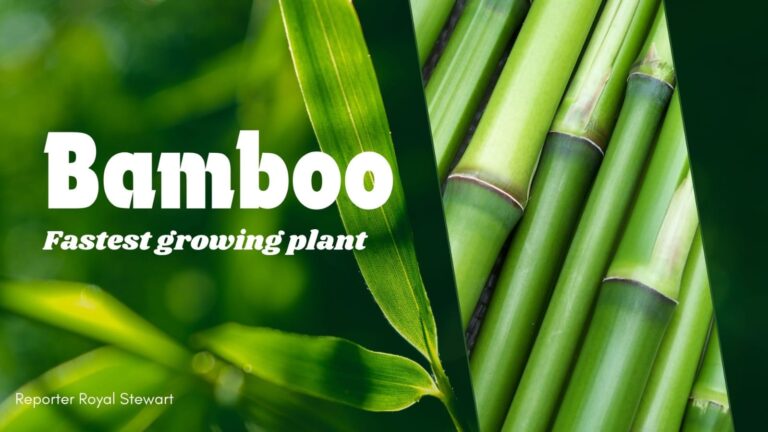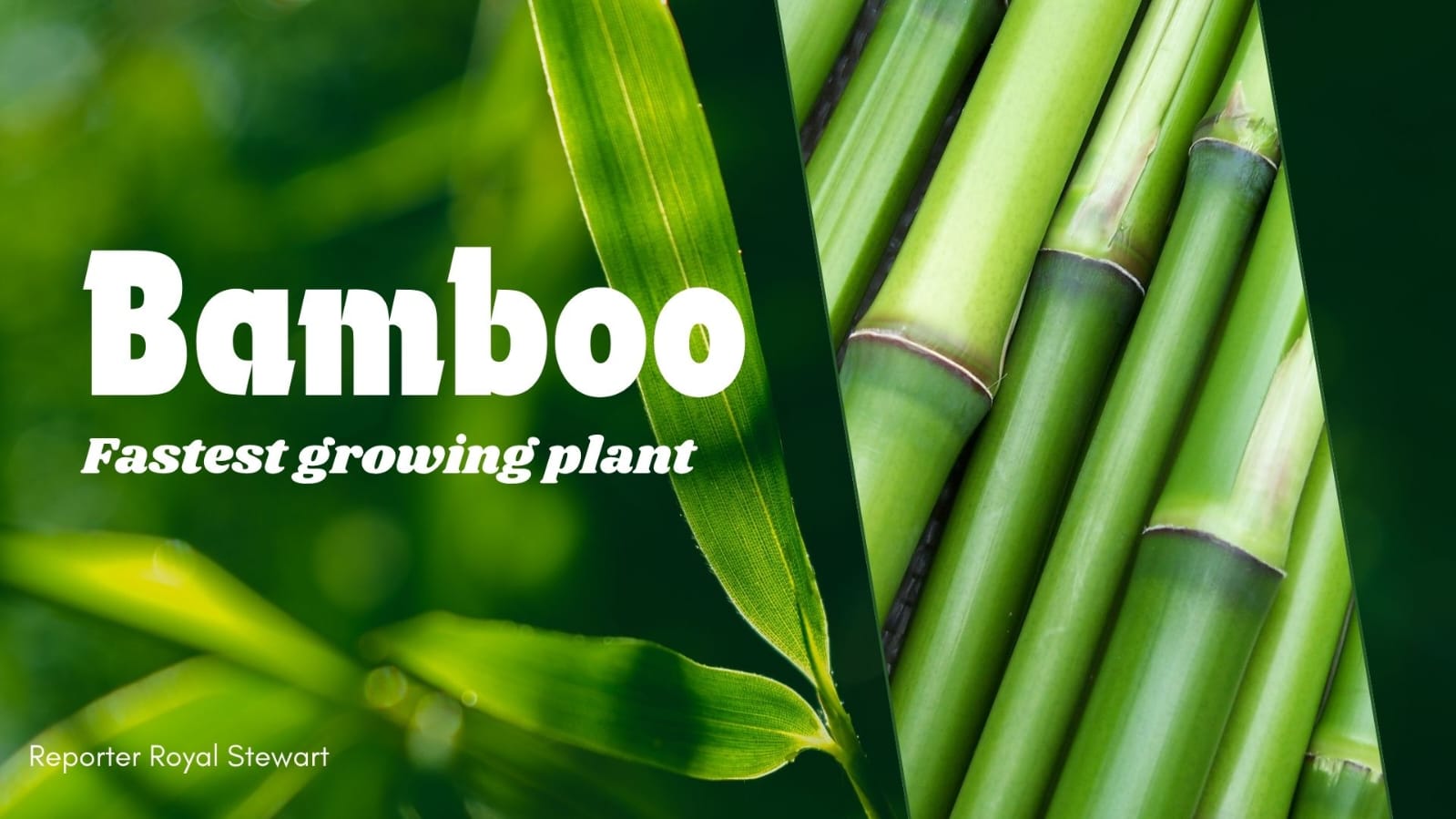
Bamboo is one of the most fascinating plants on Earth. Often mistaken for a tree, bamboo is actually a type of grass. It grows in many parts of the world and has been used by humans for thousands of years. From building houses and making furniture to producing paper and food, bamboo plays an important role in everyday life.
What makes bamboo truly remarkable is its combination of strength, flexibility, and rapid growth. It is often called the “green gold” of nature because of its many benefits to people and the environment. While many people are familiar with bamboo, there are countless surprising facts about this extraordinary plant that remain unknown. Let’s explore some amazing bamboo facts that showcase why it is one of nature’s greatest wonders.
Bamboo Is the Fastest-Growing Plant in the World
One of the most incredible facts about bamboo is its growth speed. Some bamboo species can grow up to 91 centimeters (about 35 inches) in a single day under ideal conditions. This makes bamboo the fastest-growing plant on Earth.
Unlike many trees that take decades to mature, bamboo reaches full size within a few years. Its rapid growth makes it a highly renewable resource and an environmentally friendly alternative to traditional wood products.
Bamboo Is Actually a Grass
Many people assume bamboo is a tree because of its height and strong stems. However, bamboo belongs to the grass family. In fact, it is one of the largest types of grass in the world.
Like other grasses, bamboo grows from underground stems called rhizomes. These rhizomes allow bamboo to spread quickly and produce new shoots. This unique growth pattern helps bamboo forests regenerate naturally without needing to be replanted after harvesting.
There Are More Than 1,500 Species of Bamboo
Bamboo is not just one plant. Scientists have identified more than 1,500 different species of bamboo around the world. These species vary greatly in size, appearance, and habitat.
Some bamboo plants are only a few centimeters tall, while giant bamboo species can grow over 30 meters high. Different species are adapted to various climates, ranging from tropical rainforests to mountain regions.
Bamboo Is Stronger Than Many Building Materials
Although bamboo appears lightweight, it is incredibly strong. Some species have a tensile strength comparable to steel, meaning they can withstand significant pulling forces without breaking.
Because of its strength and flexibility, bamboo has been used for centuries in construction. In many parts of Asia, bamboo is used to build houses, bridges, scaffolding, and even entire structures. Its ability to bend without breaking makes it especially useful in areas prone to earthquakes.
Bamboo Produces More Oxygen
Bamboo plays an important role in improving air quality. Bamboo forests absorb large amounts of carbon dioxide and release oxygen into the atmosphere.
Compared to many other plants, bamboo can produce more oxygen while absorbing greater quantities of greenhouse gases. This makes bamboo valuable in efforts to combat climate change and improve environmental sustainability.
Bamboo Can Survive in Different Environments
Bamboo is highly adaptable and can grow in a wide range of environments. It thrives in tropical regions, temperate forests, mountainous areas, and even some colder climates.
This adaptability has allowed bamboo to spread across Asia, Africa, North America, South America, and parts of Europe. Its ability to grow in different conditions makes it one of the most versatile plants on the planet.
Bamboo Is Edible
Many people are surprised to learn that bamboo is also a food source. Young bamboo shoots are edible and are commonly used in Asian cuisine.
Bamboo shoots are rich in fiber, vitamins, and minerals. They are often added to soups, stir-fries, curries, and salads. Their crunchy texture and mild flavor make them a popular ingredient in many traditional dishes.
Perhaps the most famous bamboo eaters are giant pandas. These beloved animals consume bamboo as their primary food source and can eat several kilograms of it every day.
Bamboo Has Been Used for Thousands of Years
Human civilizations have used bamboo for thousands of years. Ancient cultures recognized its strength, flexibility, and usefulness long before modern technology existed.
Throughout history, bamboo has been used to make tools, baskets, fishing equipment, musical instruments, weapons, and household items. In many regions, bamboo remains an important part of daily life and cultural traditions.
Even today, modern industries continue to find new applications for bamboo in construction, fashion, and sustainable products.
Bamboo Helps Prevent Soil Erosion
The extensive root systems of bamboo make it highly effective at preventing soil erosion. Its roots hold the soil together, reducing the risk of landslides and the loss of fertile land.
Because of this ability, bamboo is often planted on hillsides and riverbanks to stabilize the ground. It also helps protect water sources by reducing sediment runoff during heavy rainfall.
This environmental benefit makes bamboo an important tool for land conservation and ecosystem protection.
Bamboo Is Used in Modern Eco-Friendly Products
As concerns about environmental sustainability grow, bamboo has become increasingly popular as a renewable resource. Many eco-friendly products are now made from bamboo.
These include toothbrushes, reusable straws, flooring, furniture, clothing, kitchen utensils, and paper products. Because bamboo grows quickly and requires fewer resources than many traditional materials, it is considered a sustainable alternative.
Consumers around the world are choosing bamboo products as part of efforts to reduce plastic waste and support environmentally responsible practices.
Bamboo Has Cultural Importance
In many cultures, bamboo symbolizes strength, resilience, flexibility, and good fortune. It appears in art, literature, architecture, and traditional ceremonies.
In several Asian countries, bamboo is admired for its ability to remain upright and strong even during storms. This characteristic has made it a symbol of perseverance and endurance.
Artists and poets have celebrated bamboo for centuries, viewing it as a representation of balance between strength and grace.
Conclusion
Bamboo is far more than an ordinary plant. It is the fastest-growing plant on Earth, a powerful environmental ally, a valuable construction material, and an important part of many cultures. Its ability to grow rapidly, provide food, strengthen ecosystems, and support sustainable industries makes it one of nature’s most remarkable resources.
As the world seeks environmentally friendly solutions for the future, bamboo continues to gain attention for its versatility and sustainability. From towering forests to everyday products, bamboo demonstrates how a simple grass can have an extraordinary impact on our lives.
The next time you see a bamboo plant, remember that beneath its simple appearance lies one of the most amazing natural wonders on the planet.