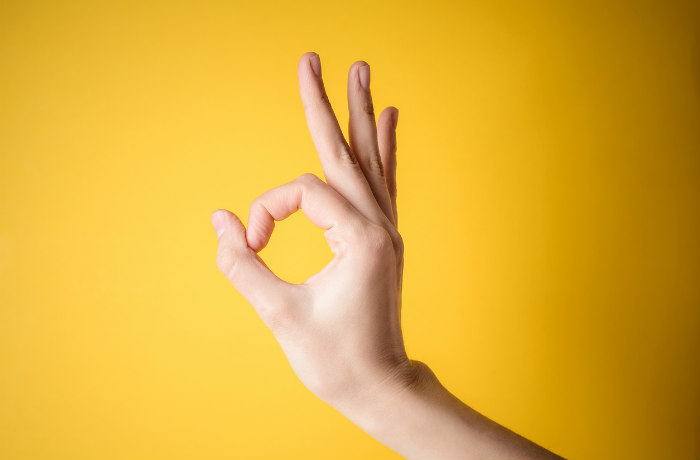
The human body is a masterpiece of design, with each part playing a unique role in helping us live, work, and interact with the world. Among these body parts, fingers may seem small and ordinary, but they have an extraordinary impact on our daily lives. From holding a pencil and typing on a keyboard to playing musical instruments and performing delicate surgeries, fingers are involved in countless activities every day.
Without fingers, many tasks that we take for granted would become difficult or impossible. Their flexibility, strength, and sensitivity allow humans to create, communicate, and explore their surroundings. Although they are small in size, fingers contribute significantly to our independence, creativity, and productivity. Understanding the role of fingers helps us appreciate one of the most remarkable tools nature has given us.
The Structure of Human Fingers
Each human hand has five fingers: the thumb, index finger, middle finger, ring finger, and little finger. Together, they form a highly flexible and efficient system. Fingers contain bones, joints, muscles, tendons, nerves, and blood vessels that work together to perform a wide range of movements.
The thumb is especially important because it can move independently and oppose the other fingers. This unique feature allows humans to grasp objects securely and perform precise tasks. The coordination between the thumb and fingers is one of the reasons humans can use tools so effectively.
The fingertips are covered with sensitive nerve endings that allow us to detect texture, temperature, pressure, and shape. This sense of touch helps us interact safely and efficiently with our environment.
Helping Us Perform Everyday Tasks
Fingers are involved in nearly every activity we perform during the day. Simple actions such as buttoning a shirt, opening a door, eating with utensils, or tying shoelaces rely heavily on finger movements.
Writing is one of the most common tasks made possible by fingers. Whether using a pen, pencil, or keyboard, fingers provide the control needed to communicate ideas through words. Students, teachers, writers, and professionals all depend on their fingers to complete their work.
Technology has made fingers even more important. Smartphones, tablets, and computers are operated primarily through touch and finger movements. From sending messages to browsing the internet, fingers act as the bridge between humans and modern technology.
The Power of Touch
One of the most remarkable functions of fingers is their ability to sense touch. Fingertips contain thousands of sensory receptors that send information to the brain. These receptors allow us to feel smooth surfaces, rough textures, heat, cold, and pressure.
Touch helps us identify objects without even looking at them. For example, we can find keys in a bag, recognize the shape of a coin, or feel whether water is hot or cold. This ability makes daily activities more efficient and safer.
The sense of touch also plays an important role in human relationships. Handshakes, hugs, and gentle touches help express emotions, comfort others, and build connections between people.
Fingers and Creativity
Many forms of creativity depend on the use of fingers. Artists use their fingers and hands to paint, draw, sculpt, and craft beautiful works of art. Musicians rely on precise finger movements to play instruments such as the piano, guitar, violin, and flute.
Writers use their fingers to create stories, poems, and articles. Designers, engineers, and architects use their fingers to sketch ideas and build innovative creations. Even activities such as knitting, sewing, and cooking require skillful finger coordination.
The ability to perform delicate movements allows humans to transform ideas into reality. In this way, fingers serve as powerful tools of imagination and creativity.
The Role of Fingers in Sports
Athletes in many sports depend on strong and agile fingers. Basketball players use their fingers to control and shoot the ball accurately. Cricketers rely on finger grip when batting, bowling, and catching. Tennis players use finger strength to control their rackets and execute precise shots.
Rock climbers depend heavily on their fingers to grip surfaces and support their body weight. Gymnasts, archers, and golfers also require excellent finger coordination and strength.
Through practice and training, athletes improve the flexibility and control of their fingers, enhancing their performance in their chosen sports.
Fingers in Professional Life
Many professions require exceptional finger skills. Surgeons perform delicate operations using precise finger movements. Mechanics use their fingers to repair complex machinery. Electricians handle wires and small components with accuracy.
Chefs rely on finger coordination to prepare food efficiently and safely. Tailors use their fingers to sew fabrics with precision. Scientists, laboratory technicians, and researchers often perform detailed tasks that require steady hands and skilled fingers.
In many careers, finger dexterity directly influences the quality and success of the work performed.
Communication Through Fingers
Fingers also play an important role in communication. Sign language allows people with hearing impairments to express thoughts, ideas, and emotions using hand and finger movements. This demonstrates how fingers can serve as powerful tools for language and connection.
Gestures made with fingers and hands are commonly used in everyday communication. Pointing, waving, and signaling are examples of non-verbal communication that help convey messages quickly and effectively.
In today’s digital world, fingers are responsible for much of our communication through typing, texting, and interacting on social media platforms.
Caring for Our Fingers
Because fingers are so important, it is essential to protect and care for them. Injuries to fingers can affect a person’s ability to perform daily tasks. Wearing protective equipment during sports and manual work can reduce the risk of injury.
Regular exercise and stretching help maintain finger flexibility and strength. Good hygiene is also important because fingers frequently come into contact with different surfaces and objects.
People who use computers or mobile devices for long periods should take breaks and practice proper hand positioning to avoid strain and discomfort.
Conclusion
Fingers may be small parts of the human body, but their impact is enormous. They help us perform everyday tasks, create works of art, play sports, communicate with others, and interact with technology. Their unique combination of strength, flexibility, and sensitivity makes them one of the most valuable tools we possess.
From childhood learning activities to professional achievements, fingers support us throughout every stage of life. They enable us to express creativity, solve problems, and connect with the world around us. Truly, fingers demonstrate that even the smallest parts can make the biggest difference. Their importance reminds us to appreciate and care for these remarkable tools that play such a vital role in our daily lives.