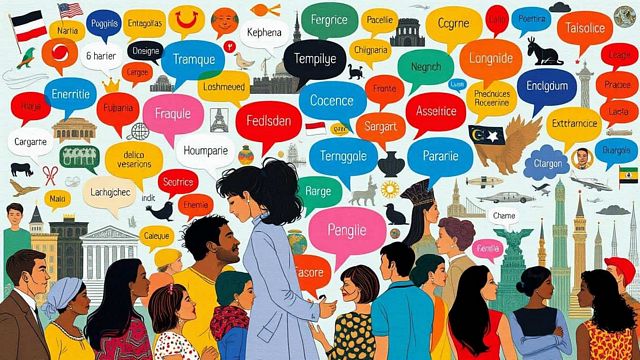
The ability to speak multiple languages, known as polyglotism, has long been celebrated as a remarkable human skill. In today’s interconnected world, this talent is increasingly viewed as a superpower, offering cognitive, cultural, and professional advantages. In India, where linguistic diversity is vast, polyglots embody the nation’s rich heritage while also positioning themselves as global citizens. Child psychology and modern research highlight how multilingualism enhances brain function, strengthens identity, and opens doors to opportunities across borders.
Cognitive Benefits of Multilingualism
Child psychology research consistently shows that learning multiple languages sharpens memory, improves problem-solving skills, and enhances creativity. Polyglots often demonstrate superior multitasking abilities and adaptability. In India, where children are frequently exposed to more than one language from an early age—such as Hindi, English, and regional tongues—their brains develop heightened flexibility. This cognitive edge is often compared to a mental superpower, enabling individuals to process information more efficiently and think across cultural contexts.
Language as a Cultural Bridge
India’s linguistic landscape, with 22 officially recognized languages and hundreds of dialects, makes polyglotism a natural phenomenon. Speaking multiple languages allows individuals to connect across communities, fostering unity in diversity. Polyglots act as cultural ambassadors, bridging gaps between traditions, regions, and generations. In the global context, multilingualism enables deeper appreciation of literature, art, and philosophy, enriching personal identity and broadening perspectives.
Professional Advantages in a Globalized World
In the modern economy, polyglots enjoy significant professional advantages. Multilingual employees are highly valued in diplomacy, international business, journalism, and technology. In India, where outsourcing and global partnerships are common, professionals fluent in multiple languages gain a competitive edge. For instance, knowledge of English alongside regional languages allows individuals to navigate both local and international markets. This linguistic versatility is often equated with possessing a career superpower.
Child Psychology and Language Acquisition
Child psychology emphasizes that early exposure to multiple languages enhances cognitive development. Studies reveal that bilingual and multilingual children often outperform monolingual peers in tasks requiring attention and memory. In India, where children grow up hearing different languages at home, school, and society, polyglotism emerges naturally. This early linguistic environment not only strengthens brain development but also fosters empathy and adaptability—qualities essential for leadership and innovation.
Historical Examples of Indian Polyglots
India’s history is replete with leaders and thinkers who embodied polyglotism. Mahatma Gandhi mastered Gujarati, Hindi, and English, enabling him to communicate effectively with diverse audiences. Rabindranath Tagore, fluent in Bengali and English, enriched global literature with his works. Dr. B.R. Ambedkar’s command of multiple languages allowed him to study abroad and draft India’s Constitution with precision. These examples highlight how multilingualism has shaped India’s intellectual and political landscape.
Modern-Day Polyglots in India
In contemporary India, polyglots continue to thrive in academia, media, and technology. Journalists reporting in multiple languages reach wider audiences, while educators use multilingual skills to connect with diverse student groups. In the digital age, polyglots leverage their abilities to create content for global platforms, enhancing India’s presence in international discourse. Their linguistic superpowers not only strengthen personal careers but also contribute to national progress.
Psychological Empowerment Through Languages
Beyond practical benefits, polyglotism provides psychological empowerment. Child psychology suggests that multilingual individuals develop stronger self-esteem and identity, as they can navigate different cultural spaces with ease. In India, where language often signifies heritage, being a polyglot reinforces pride in one’s roots while fostering openness to global influences. This dual identity equips individuals with resilience and adaptability, qualities essential in an era of rapid change.
Conclusion
Polyglotism, often described as a superpower, is more than just the ability to speak multiple languages—it is a gateway to cognitive excellence, cultural understanding, and professional success. In India, where linguistic diversity is woven into daily life, polyglots embody the nation’s spirit of unity in diversity while positioning themselves as global leaders. Child psychology affirms that multilingualism strengthens the mind and enriches identity, making it a transformative force for individuals and societies alike.