Tamil peoples’ hospitality has long been recognized as one of the most distinctive cultural traits of South India. Deeply rooted in tradition, it reflects values of generosity, respect, and inclusiveness. Whether in homes, temples, or community gatherings, Tamil hospitality embodies the timeless ethos of welcoming guests with warmth and dignity. This cultural practice continues to thrive, making Tamil Nadu a region celebrated for its unmatched hospitality.
Historical Foundations of Tamil Hospitality
The origins of Tamil hospitality can be traced back to Sangam literature, which emphasized respect for guests and the importance of sharing resources. Ancient Tamil texts often highlighted the duty of hosts to provide food, shelter, and kindness to visitors, regardless of their social status.
This tradition was reinforced by temple culture, where feeding pilgrims and offering shelter became integral to religious practice. Hospitality was not merely a social custom but a moral obligation, reflecting the Tamil worldview that guests were to be treated with honor.
Everyday Hospitality in Tamil Homes
Hospitality in Tamil Nadu is most vividly experienced in households. Guests are welcomed with traditional greetings and offered food, often beginning with a glass of water or buttermilk to refresh them. Meals are served generously, with hosts ensuring that visitors eat to their satisfaction.
Even in modest homes, the best available resources are extended to guests. This practice underscores the cultural priority placed on generosity, where the comfort of visitors is considered a matter of pride.
Hospitality in Tamil Festivals and Celebrations
Tamil festivals provide a striking display of hospitality. During Pongal, families prepare elaborate meals and share them with neighbors, friends, and visitors. Weddings and community events are marked by large feasts, where guests are treated with utmost care and respect.
Hospitality during festivals extends beyond family circles, reflecting the inclusive nature of Tamil culture. Guests, whether known or strangers, are welcomed warmly, reinforcing the idea that hospitality is a collective responsibility.
Tamil Hospitality in Modern Tourism
Tamil Nadu’s tourism industry has embraced its cultural heritage of hospitality as a defining feature. Hotels, resorts, and homestays emphasize personalized care, blending modern amenities with traditional practices. Visitors often remark on the warmth of Tamil hosts, who go beyond professional service to create genuine connections.
The state’s tourism campaigns highlight hospitality as a key attraction, positioning Tamil Nadu as not only a destination of historical and natural beauty but also of cultural warmth. This approach has strengthened Tamil Nadu’s reputation globally, attracting millions of tourists each year.
Hospitality in Tamil Cuisine
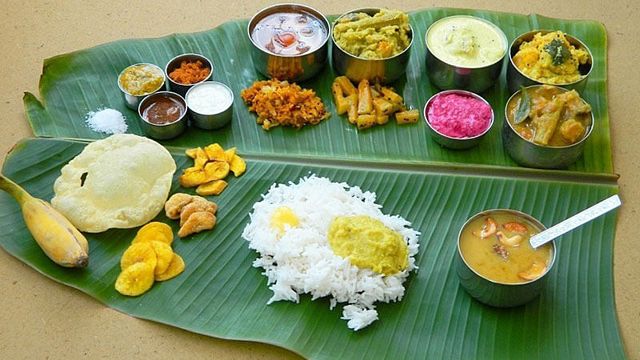
Food plays a central role in Tamil hospitality. Traditional meals, served on banana leaves, reflect both cultural pride and generosity. Guests are offered multiple dishes, ranging from rice and sambar to rasam, poriyal, and payasam.
The act of serving food is symbolic, representing care and respect. Hosts often encourage guests to eat more, ensuring they leave satisfied. This culinary tradition has become synonymous with Tamil hospitality, making meals an integral part of the guest experience.
Global Recognition of Tamil Hospitality
International travelers frequently highlight Tamil hospitality as one of the most memorable aspects of their visit. Travel reviews and cultural studies consistently note the warmth and generosity extended by Tamil hosts.
This recognition has positioned Tamil hospitality as a cultural asset, enhancing Tamil Nadu’s global image. It serves as a form of soft power, showcasing the state’s values of inclusiveness and respect on the world stage.
Challenges and Opportunities
While Tamil hospitality remains strong, modern challenges such as urbanization and commercialization pose risks to its authenticity. In busy cities, the pace of life sometimes limits traditional practices. However, initiatives in tourism and cultural preservation aim to sustain these traditions.
By promoting homestays, community tourism, and temple-based hospitality, Tamil Nadu has opportunities to reinforce its cultural identity while adapting to modern needs.
Conclusion
Tamil hospitality stands as a timeless tradition, blending cultural values, religious practices, and everyday generosity. Rooted in the philosophy of respect and inclusiveness, it continues to define Tamil Nadu’s identity both locally and globally. As the state evolves, its hospitality remains a powerful reminder of the values that make Tamil culture unique — warmth, generosity, and the belief that every guest deserves honor.