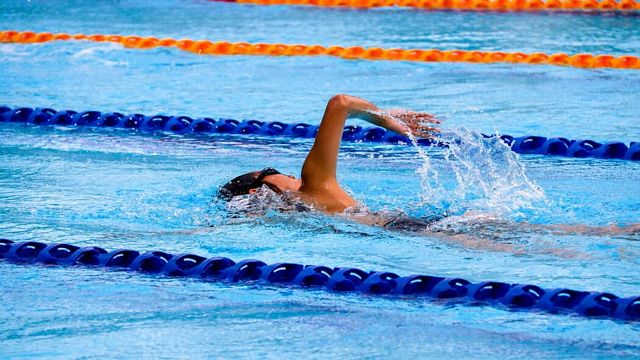
Swimming is both a life-saving skill and a recreational sport enjoyed worldwide. From basic floating to advanced strokes, learning how to swim requires patience, practice, and awareness of safety measures. In India and across the globe, swimming is increasingly recognized not only as a competitive sport but also as an essential fitness activity that promotes cardiovascular health, endurance, and mental well-being.
The Importance of Learning to Swim
Swimming is often described as one of the most complete forms of exercise. It engages nearly every muscle group, improves lung capacity, and enhances flexibility. Beyond fitness, swimming is a critical survival skill. Drowning remains a major public health concern, particularly in countries with extensive coastlines and river systems. Learning to swim equips individuals with the ability to protect themselves and others in emergencies.
Basic Techniques for Beginners
The first step in swimming is developing comfort in water. Beginners are taught to float, breathe properly, and maintain balance. Floating on the back or stomach helps build confidence, while controlled breathing ensures endurance. Once these fundamentals are mastered, learners progress to basic strokes such as the freestyle (front crawl), breaststroke, and backstroke. Each stroke requires coordination of arm movements, leg kicks, and breathing patterns.
Advanced Swimming Styles
For those pursuing competitive or advanced swimming, techniques such as the butterfly stroke demand strength and precision. Competitive swimmers train rigorously to perfect timing, streamline body movement, and reduce drag in water. Advanced training also emphasizes turns, dives, and pacing strategies, which are crucial in professional competitions.
Safety Measures in Swimming
Safety is paramount in swimming. Beginners should always train under supervision, preferably in pools with lifeguards. Learning to recognize signs of fatigue, practicing controlled breathing, and avoiding risky waters are essential precautions. In India, where open-water swimming in rivers and lakes is common, awareness of currents, depth, and water quality is vital. Wearing appropriate gear, such as goggles and swim caps, enhances safety and comfort.
Swimming as a Fitness Regimen
Swimming is widely recommended for individuals seeking low-impact exercise. Unlike running or weightlifting, swimming reduces stress on joints, making it ideal for people with arthritis or injuries. Regular swimming sessions improve cardiovascular health, aid weight management, and reduce stress. Many fitness centers now include swimming as part of holistic wellness programs.
Cultural and Recreational Significance
Swimming holds cultural importance in many regions. In coastal states of India, swimming is a traditional skill passed down through generations. Globally, swimming is celebrated in recreational activities such as beach tourism, water sports, and leisure clubs. The sport also features prominently in international competitions, including the Olympics, where swimmers inspire millions with their discipline and achievements.
Teaching Children to Swim
Introducing children to swimming at an early age builds confidence and reduces the risk of drowning. Pediatric experts recommend structured lessons that focus on water safety, floating, and basic strokes. Schools and community centers across India are increasingly offering swimming programs, recognizing its role in child development and physical fitness.
Conclusion
Swimming is more than a sport—it is a vital life skill that combines fitness, recreation, and safety. From beginners learning to float to professionals competing at international levels, swimming continues to shape lives across cultures. As awareness grows, integrating swimming into education and fitness programs can ensure healthier communities and safer environments.