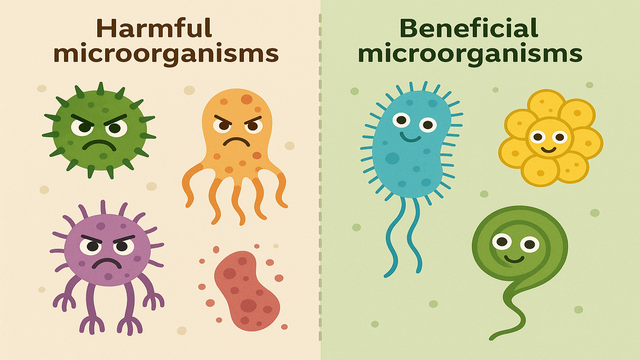
Microorganisms are everywhere—in the air we breathe, the food we eat, and even inside our bodies. These tiny living organisms, invisible to the naked eye, play a dual role in human life. While some microorganisms are beneficial, aiding in digestion, food production, and environmental balance, others are harmful, causing diseases and infections. Understanding their impact is essential for health, industry, and everyday living.
Beneficial Microorganisms in Human Health
Certain microorganisms are vital for maintaining human health. Probiotics, found in foods like yogurt, help regulate gut bacteria and improve digestion. The human microbiome, consisting of trillions of microorganisms, supports immunity and prevents harmful pathogens from thriving. Advances in medical research highlight how beneficial bacteria can reduce risks of conditions such as obesity, diabetes, and even mental health disorders.
Microorganisms in Food Production
Microorganisms play a central role in food and beverage industries. Yeast is essential for baking bread and brewing beer, while bacteria such as Lactobacillus are used in producing cheese, curd, and pickles. Fermentation, driven by microorganisms, not only enhances flavor but also preserves food and improves nutritional value. Traditional Indian foods like dosa and idli rely on microbial fermentation, showcasing their importance in daily diets.
Environmental Benefits of Microorganisms
Beyond human health, microorganisms contribute significantly to environmental sustainability. They decompose organic matter, recycle nutrients, and maintain soil fertility. Nitrogen-fixing bacteria enrich agricultural lands, reducing dependence on chemical fertilizers. In wastewater treatment plants, microorganisms break down pollutants, ensuring cleaner water supplies. Their role in bioremediation—removing oil spills and toxic waste—demonstrates their capacity to restore ecological balance.
Harmful Microorganisms and Diseases
Despite their benefits, microorganisms can also be harmful. Pathogens such as Salmonella, E. coli, and Staphylococcus cause food poisoning, while viruses like influenza and COVID-19 spread rapidly through communities. Waterborne diseases, including cholera and typhoid, are linked to contaminated supplies. In hospitals, antibiotic-resistant bacteria pose serious challenges, making infections harder to treat. The harmful impact of microorganisms underscores the importance of hygiene and medical vigilance.
Microorganisms in Agriculture: Friend and Foe
In agriculture, microorganisms can either support or damage crops. Beneficial microbes improve soil health and protect plants from pests. However, harmful fungi and bacteria can destroy harvests, leading to economic losses. Crop diseases such as rice blast and wheat rust are caused by pathogenic microorganisms, requiring farmers to adopt preventive measures and sustainable practices.
Industrial Applications of Microorganisms
Industries worldwide harness microorganisms for production and innovation. They are used in manufacturing antibiotics, vaccines, and vitamins. Enzymes derived from microbes aid in textile processing, paper production, and biofuel development. Biotechnology continues to expand microbial applications, offering solutions for renewable energy and sustainable manufacturing.
Balancing Benefits and Risks
The dual nature of microorganisms highlights the need for balance. While beneficial microbes are indispensable for health, food, and environment, harmful ones demand strict control. Public awareness campaigns emphasize hand hygiene, safe food practices, and vaccination to reduce risks. At the same time, scientific research continues to explore new ways of harnessing microorganisms for human progress.
Conclusion
Microorganisms are integral to daily life, shaping health, food, environment, and industry. Their beneficial roles sustain ecosystems and human well-being, while their harmful effects remind us of the importance of vigilance and preventive care. Recognizing both sides of microorganisms allows societies to maximize their advantages while minimizing risks, ensuring a healthier and more sustainable future.