Stroke remains one of the leading causes of death and disability worldwide, with millions affected each year. Understanding the science behind stroke, recognizing its symptoms, and adopting preventive measures are crucial in reducing its impact. Medical experts emphasize that timely awareness and lifestyle changes can significantly lower the risk of stroke and improve long-term health outcomes.
What is a Stroke?
A stroke occurs when blood flow to the brain is interrupted, depriving brain cells of oxygen and nutrients. This disruption can result from a blocked artery (ischemic stroke) or a ruptured blood vessel (hemorrhagic stroke). Without immediate medical attention, brain cells begin to die within minutes, leading to lasting neurological damage.
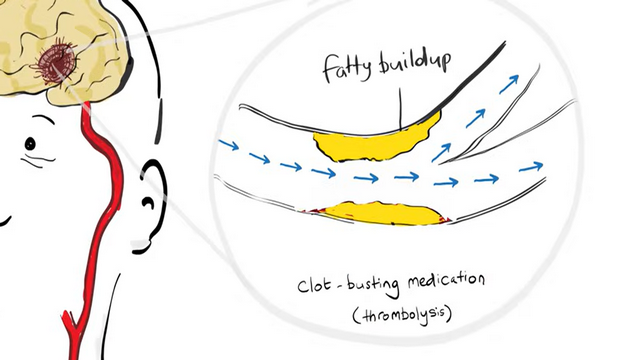
Ischemic strokes account for nearly 85 percent of all cases, often caused by blood clots or fatty deposits in arteries. Hemorrhagic strokes, though less common, are more severe, resulting from weakened blood vessels that burst and bleed into the brain.
The Science Behind Stroke
The underlying science of stroke lies in vascular health. Arteries supply oxygen-rich blood to the brain, and any obstruction or rupture disrupts this critical process. Risk factors such as high blood pressure, diabetes, high cholesterol, and smoking contribute to arterial damage, making strokes more likely.
Advances in medical research highlight the role of genetics, lifestyle, and environmental factors in stroke development. Studies also show that inflammation and oxidative stress accelerate vascular damage, underscoring the importance of preventive care.
Recognizing Stroke Symptoms
Early recognition of stroke symptoms is vital for effective treatment. Doctors often use the acronym FAST to help identify warning signs:
- Face: Sudden drooping or numbness on one side of the face.
- Arms: Weakness or inability to raise one arm.
- Speech: Slurred or incoherent speech.
- Time: Immediate medical attention is critical.
Other symptoms include sudden vision problems, dizziness, loss of balance, and severe headaches. Prompt recognition and emergency response can save lives and reduce long-term disability.
Immediate Medical Response
Time is the most critical factor in stroke treatment. Hospitals often refer to the “golden hour,” the first 60 minutes after symptoms appear, as the window for effective intervention. Treatments such as clot-dissolving medications (thrombolytics) or surgical procedures can restore blood flow and minimize brain damage if administered quickly.
Emergency medical services emphasize rapid diagnosis through imaging tests like CT scans or MRIs, which help determine the type of stroke and guide treatment decisions.
Preventive Measures Against Stroke
Preventing stroke requires a combination of lifestyle changes and medical management. Key steps include:
- Managing Blood Pressure: High blood pressure is the leading cause of stroke. Regular monitoring and medication can reduce risks.
- Controlling Diabetes and Cholesterol: Proper management of these conditions helps maintain vascular health.
- Healthy Diet: Consuming nutrient-rich foods, including fruits, vegetables, whole grains, and lean proteins, supports cardiovascular health.
- Regular Exercise: Physical activity improves circulation and reduces obesity-related risks.
- Avoiding Smoking and Excessive Alcohol: Both habits significantly increase stroke risk.
Doctors also recommend routine health check-ups to detect early warning signs and ensure timely intervention.
Advances in Stroke Research
Recent medical research has expanded understanding of stroke prevention and recovery. Innovations in neuroimaging allow doctors to detect strokes earlier, while new medications aim to reduce clot formation without severe side effects.
Rehabilitation techniques, including physical therapy, speech therapy, and cognitive training, have improved recovery outcomes for stroke survivors. Emerging studies also explore the role of stem cell therapy and neuroplasticity in repairing damaged brain tissue.
Global and Indian Context
Globally, stroke affects nearly 15 million people annually, with five million deaths and another five million left permanently disabled. In India, the burden of stroke has grown significantly due to rising cases of hypertension, diabetes, and sedentary lifestyles.
Public health campaigns across India emphasize awareness, urging citizens to recognize symptoms and seek immediate medical care. Hospitals are increasingly equipped with specialized stroke units, improving survival rates and recovery outcomes.
Conclusion
The science behind stroke reveals the complex interplay of vascular health, lifestyle, and genetics. Recognizing symptoms early and adopting preventive measures can save lives and reduce the burden of disability. As medical research advances, greater awareness and proactive health management remain the most effective tools in combating stroke. For millions in India and worldwide, understanding and prevention are key to safeguarding the future against this life-threatening condition.