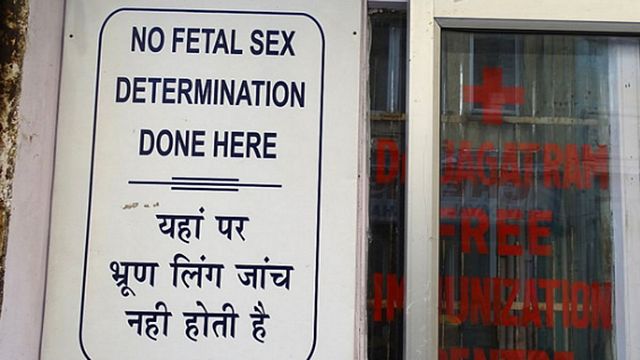
Sex determination in India remains a deeply contested issue, reflecting the intersection of law, culture, and social attitudes. Despite strict legal prohibitions under the Pre-Conception and Pre-Natal Diagnostic Techniques (PCPNDT) Act, illegal practices persist, driven by entrenched gender bias and preference for male children. The issue continues to challenge policymakers, activists, and healthcare professionals, underscoring the urgent need for stronger enforcement and cultural change.
Legal Framework Against Sex Determination
India outlawed sex determination tests in 1994 through the PCPNDT Act, later amended in 2003 to strengthen enforcement. The law prohibits medical practitioners from revealing the sex of a fetus and imposes penalties, including imprisonment and fines, for violations. Clinics are required to maintain detailed records of ultrasound procedures, and authorities conduct inspections to curb malpractice. Despite these measures, loopholes and weak enforcement have allowed illegal practices to continue in many regions.
The Social Roots of Gender Bias
The persistence of sex determination practices is rooted in longstanding cultural preferences for male children. Sons are often viewed as economic assets, capable of carrying forward family lineage and providing financial support in old age. Daughters, by contrast, are frequently associated with dowry burdens and perceived as less valuable. This imbalance has fueled female foeticide, contributing to skewed sex ratios across several states.
Impact on Demographics
India’s sex ratio has been a matter of concern for decades. Census data and National Family Health Surveys reveal significant disparities, with states such as Haryana and Punjab recording some of the lowest female-to-male ratios. These imbalances have led to broader social consequences, including rising cases of forced marriages, trafficking, and increased violence against women. Experts warn that demographic distortions could have long-term implications for social stability.
Enforcement Challenges
While the PCPNDT Act provides a strong legal framework, enforcement remains inconsistent. Many clinics operate clandestinely, using coded language or informal networks to reveal fetal sex. Corruption and lack of resources hinder monitoring efforts, and prosecutions are relatively rare compared to the scale of violations. Activists argue that without stricter accountability and better training for medical professionals, the law will remain ineffective.
Role of Technology and Medical Ethics
Advances in medical technology, particularly ultrasound and genetic testing, have made sex determination easier. Ethical concerns arise when these tools are misused for discriminatory purposes. Medical associations emphasize the need for practitioners to uphold professional integrity and resist societal pressures. Campaigns promoting ethical medical practices have gained traction, but widespread change remains slow.
Government and Civil Society Initiatives
The Indian government has launched several initiatives to combat gender bias, including the Beti Bachao, Beti Padhao campaign, which promotes the education and empowerment of girls. Civil society organizations have also played a critical role, raising awareness through grassroots campaigns, community outreach, and legal advocacy. These efforts aim to shift cultural attitudes and highlight the value of daughters in society.
Changing Attitudes and Emerging Hope
Despite persistent challenges, there are signs of progress. Urban areas and educated communities increasingly reject gender bias, and awareness campaigns have begun to influence public opinion. Success stories of women excelling in education, business, and politics serve as powerful counter-narratives to traditional stereotypes. Experts believe that sustained advocacy, combined with strict enforcement, can gradually erode the practice of sex determination.
Conclusion
Sex determination in India remains a complex issue shaped by law, culture, and social attitudes. While the PCPNDT Act provides a legal safeguard, enforcement gaps and deep-rooted biases continue to undermine progress. Addressing the problem requires a multi-pronged approach—strengthening legal mechanisms, promoting medical ethics, and challenging societal norms. The fight against sex determination is ultimately a fight for gender equality, demanding collective commitment from government, civil society, and citizens alike.