Psychosomatic theory, which explains how psychological factors influence physical health, has gained increasing attention in India. With rising cases of stress-related illnesses, the Indian context offers unique insights into how cultural practices, traditional remedies, and modern medicine intersect to address psychosomatic conditions. Understanding this theory is crucial for improving healthcare outcomes and promoting holistic well-being.
What is Psychosomatic Theory?
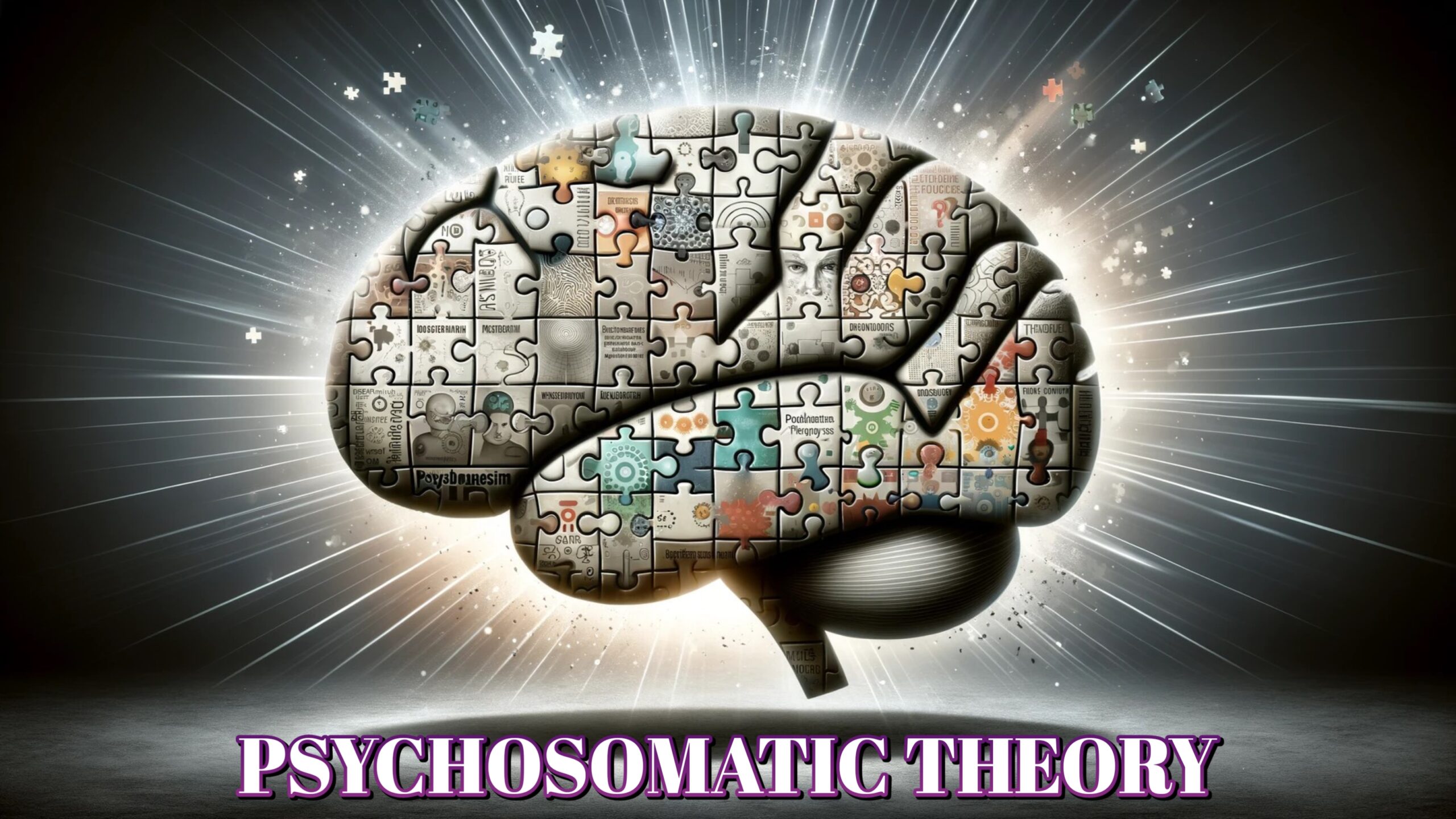
Psychosomatic theory emphasizes the connection between the mind and body, suggesting that emotional and psychological stress can manifest as physical symptoms. Conditions such as hypertension, ulcers, migraines, and skin disorders are often linked to stress, anxiety, or unresolved emotional conflicts.
Medical research highlights that psychosomatic illnesses are not imaginary but real physical conditions triggered or worsened by mental states. This theory bridges psychology and medicine, offering a comprehensive view of health.
Psychosomatic Illnesses
India has witnessed a rise in psychosomatic disorders, particularly in urban areas where stress levels are high. Common conditions include:
- Hypertension and heart disease linked to workplace stress and lifestyle changes.
- Gastrointestinal problems such as ulcers and irritable bowel syndrome, often associated with anxiety.
- Skin conditions like eczema and psoriasis, aggravated by emotional distress.
- Migraines and chronic pain influenced by psychological factors.
The prevalence of these conditions underscores the importance of addressing mental health alongside physical health.
Cultural Context of Psychosomatic Theory in India
India’s cultural traditions provide a unique lens through which psychosomatic theory can be understood. Ancient practices such as Ayurveda and Yoga emphasize the balance between mind, body, and spirit. Concepts like Prana (life force) and Doshas (body energies) highlight the interconnectedness of mental and physical health.
Ayurvedic texts often describe illnesses as arising from imbalances caused by stress, emotions, or lifestyle. Similarly, Yoga practices focus on calming the mind to restore physical health, aligning closely with psychosomatic principles.
Symptoms and Early Recognition
Recognizing psychosomatic symptoms is critical for timely intervention. Patients may experience recurring physical complaints without clear medical causes. Symptoms often include:
- Persistent headaches or migraines.
- Digestive issues such as stomach pain or diarrhea.
- Muscle tension and chronic fatigue.
- Sleep disturbances and insomnia.
- Skin flare-ups during stressful periods.
Doctors emphasize the importance of considering psychological factors when physical symptoms persist despite medical treatment.
Remedies in the Indian Context
India offers a blend of modern medical approaches and traditional remedies for psychosomatic conditions.
Medical Treatment: Physicians often prescribe medication to manage physical symptoms, alongside counseling or psychotherapy to address underlying stress. Cognitive-behavioral therapy (CBT) has proven effective in helping patients manage anxiety and depression.
Lifestyle Changes: Doctors and wellness experts emphasize balanced diets, regular exercise, and adequate sleep as essential steps in preventing psychosomatic illnesses.
Case Studies and Public Awareness
Several hospitals in India have reported success in treating psychosomatic conditions through integrated approaches. For instance, combining psychotherapy with yoga has shown positive results in reducing anxiety-related disorders.
Public awareness campaigns are also growing, encouraging individuals to recognize the impact of stress on physical health. Schools and workplaces are increasingly adopting wellness programs to address psychosomatic issues among students and employees.
Challenges in Addressing Psychosomatic Illnesses
Despite progress, challenges remain in India’s healthcare system. Stigma around mental health often prevents individuals from seeking psychological support. Many patients focus solely on physical symptoms, overlooking the role of stress and emotions.
Additionally, limited access to mental health professionals in rural areas hinders effective treatment. Bridging this gap requires greater investment in mental health infrastructure and awareness initiatives.
Conclusion
Psychosomatic theory offers valuable insights into the complex relationship between mind and body. In India, where cultural traditions emphasize holistic health, the theory finds natural resonance. By integrating modern medicine with Ayurveda, Yoga, and lifestyle changes, India can develop effective remedies for psychosomatic conditions. Addressing these issues not only improves physical health but also enhances mental well-being, ensuring a healthier future for millions.