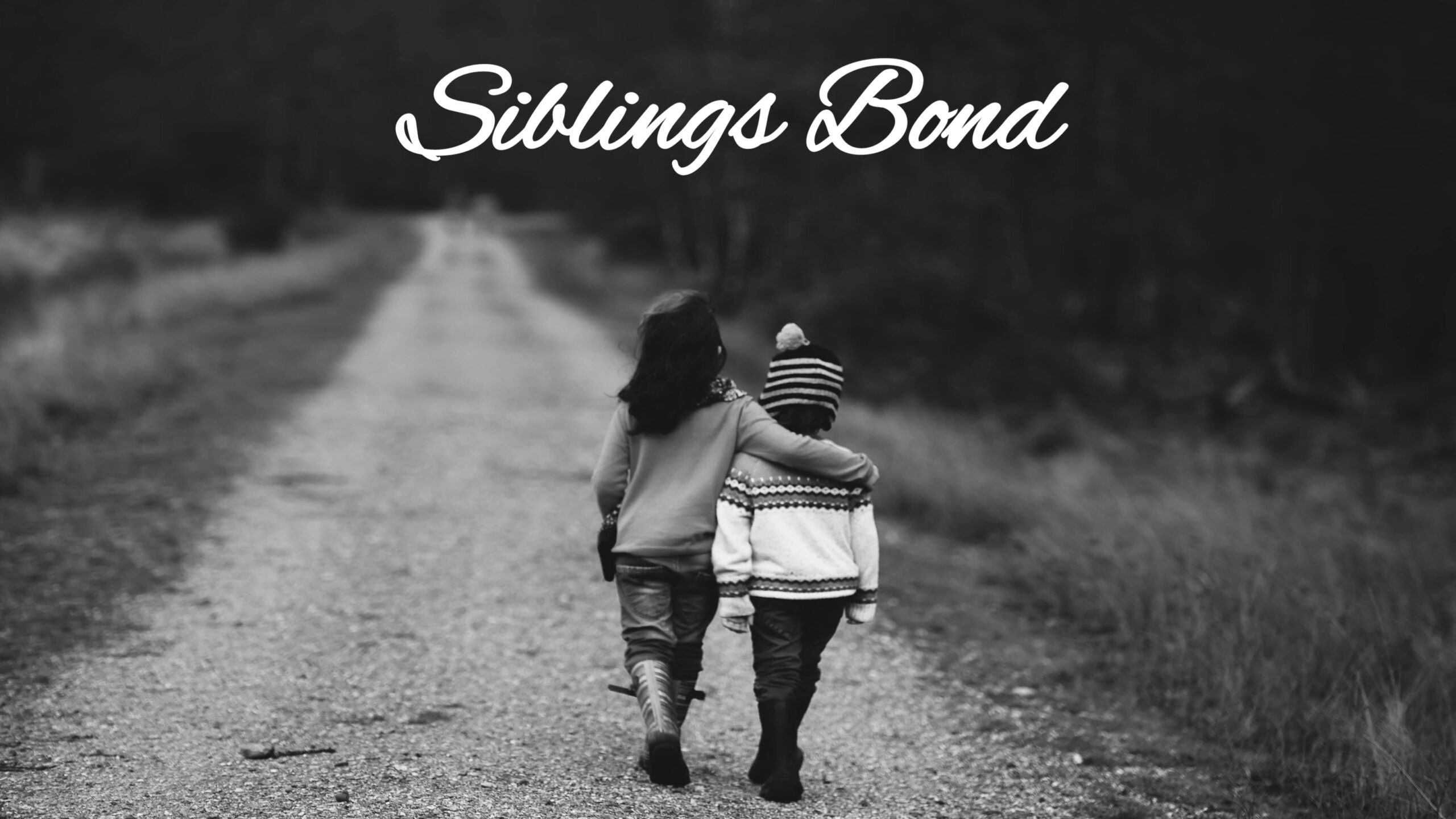
The experience of growing up with siblings is one of the most formative aspects of childhood. Beyond shared toys and household responsibilities, siblings play a crucial role in shaping emotional resilience, social skills, and lifelong relationships. As families evolve in modern society, the significance of sibling bonds continues to stand out as a cornerstone of personal development.
Emotional Support and Companionship
Siblings often serve as the first companions in a child’s life. They provide comfort during difficult times, celebrate achievements, and offer a sense of belonging. This emotional support is particularly important during childhood, when children face challenges such as school pressures, peer relationships, and personal growth. Having a sibling to lean on fosters resilience and helps children navigate life’s ups and downs with greater confidence.
Building Social Skills
Growing up with siblings naturally teaches children how to share, negotiate, and resolve conflicts. These everyday interactions prepare them for broader social environments, including schools and workplaces. The ability to compromise, empathize, and communicate effectively often stems from lessons learned at home with siblings. In this way, sibling relationships act as a training ground for social development.
Encouraging Healthy Competition
Sibling rivalry, though sometimes challenging, can encourage healthy competition. Competing in academics, sports, or even household chores motivates children to strive for improvement. When managed positively, this rivalry fosters ambition and determination. Parents often play a key role in guiding such competition to ensure it remains constructive rather than divisive.
Sharing Responsibilities and Teamwork
Households with multiple children often require siblings to share responsibilities. From helping with chores to caring for younger brothers or sisters, these tasks instill a sense of teamwork and accountability. Such experiences prepare children for collaborative environments later in life, where cooperation and shared responsibility are essential.
Lifelong Bonds and Family Unity
Sibling relationships extend far beyond childhood. As adults, siblings often remain close, providing emotional support during major life events such as marriages, career changes, or the loss of parents. These bonds strengthen family unity and create a network of support that lasts a lifetime. In many cultures, siblings are considered pillars of family traditions, ensuring continuity across generations.
Cultural and Social Context
In societies such as India, where family ties are deeply valued, siblings play a central role in maintaining cultural traditions. Festivals, rituals, and family gatherings often highlight the importance of sibling relationships. Celebrations like Raksha Bandhan, which honors the bond between brothers and sisters, exemplify how sibling ties are woven into the cultural fabric.
Psychological Impact of Sibling Relationships
Psychologists emphasize that sibling relationships contribute significantly to emotional intelligence. Children who grow up with siblings often develop stronger empathy and conflict-resolution skills. Studies suggest that these qualities enhance leadership abilities and interpersonal relationships in adulthood. The presence of siblings also reduces feelings of loneliness, providing a built-in support system throughout life.
Challenges and Growth Opportunities
While sibling relationships are generally positive, they can also present challenges. Differences in personality, age gaps, or parental favoritism may lead to conflicts. However, overcoming these difficulties often strengthens the bond and teaches valuable lessons in patience and understanding. Families that encourage open communication and fairness help siblings grow closer despite differences.
Conclusion
The benefits of growing with siblings extend far beyond childhood play. From emotional support and social development to lifelong companionship, sibling bonds shape individuals in profound ways. As families adapt to modern lifestyles, the enduring value of siblings remains a vital part of personal growth and cultural identity.