As the 21st century continues to evolve at a rapid pace, education systems are undergoing a significant transformation. Traditional methods focused on memorization and exams are giving way to approaches that emphasize creativity, critical thinking, and real-world problem-solving.
A Shift Away from Traditional Learning Models
For decades, education largely relied on rote memorization and standardized testing as measures of success. However, with changing global demands, educators and policymakers are recognizing the limitations of such approaches. The focus is now shifting toward nurturing creativity as a core skill, enabling students to think independently and adapt to complex challenges.
Creativity as a Driver of Innovation
Creativity plays a crucial role in fostering innovation across fields such as science, technology, and business. Encouraging students to think creatively helps them develop the ability to generate new ideas and solutions. This skill is particularly valuable in a world where problems are increasingly multifaceted and require flexible thinking.
Enhancing Problem-Solving Skills
When students are encouraged to explore ideas creatively, they learn to approach problems from multiple perspectives. This leads to more effective and innovative solutions. Unlike traditional methods that often focus on single correct answers, creative thinking allows for exploration and experimentation, better preparing students for real-world situations.
Link Between Creativity and Critical Thinking
Creativity and critical thinking are closely interconnected. Engaging in creative processes requires students to analyze situations, draw connections, and evaluate different viewpoints. This combination helps develop a deeper understanding of concepts and promotes analytical thinking, which is essential for academic and professional success.
Preparing Students for a Dynamic Future
The modern job market is constantly evolving, requiring individuals to adapt quickly to new roles and technologies. Students who develop creative thinking skills are better equipped to navigate uncertainty and seize emerging opportunities. Creativity enables them to remain flexible and innovative in the face of change.
Encouraging Self-Expression and Identity
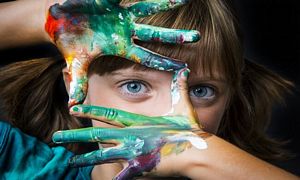
Creativity also provides a platform for students to express themselves and explore their individuality. Through activities such as art, design, and storytelling, students gain confidence and develop a sense of identity. This process of self-discovery is vital for personal growth and emotional well-being.
Promoting Active Learning Environments
Creative approaches to education transform classrooms from passive learning spaces into interactive environments. Instead of simply absorbing information, students actively engage with content through discussions, projects, and hands-on activities. This leads to better comprehension and long-term retention of knowledge.
Fostering Inclusivity and Diverse Thinking
A creative educational environment encourages students to appreciate different perspectives. By valuing diverse ideas, classrooms become more inclusive and collaborative. This not only enhances learning outcomes but also helps students develop empathy and social awareness.
Practical Methods to Encourage Creativity
Educators are increasingly adopting methods such as project-based learning, where students apply knowledge to real-world scenarios. Activities like drawing, design challenges, and open-ended problem-solving tasks encourage innovative thinking. Encouraging curiosity, asking questions, and facilitating discussions further help students develop independent thought processes.
The Role of Education in Developing Talent
Creativity is not solely an inborn trait; it can be nurtured through the right educational environment. By providing opportunities for exploration and experimentation, schools can help students develop their creative potential. This approach ensures that talent is cultivated rather than overlooked.
Building Future-Ready Learners
As education continues to evolve, creativity is emerging as a fundamental skill for the future. By integrating creative thinking into learning processes, educators can equip students with the tools they need to succeed in a rapidly changing world. The shift from memorization to innovation marks a significant step toward building a more adaptable and forward-thinking generation.