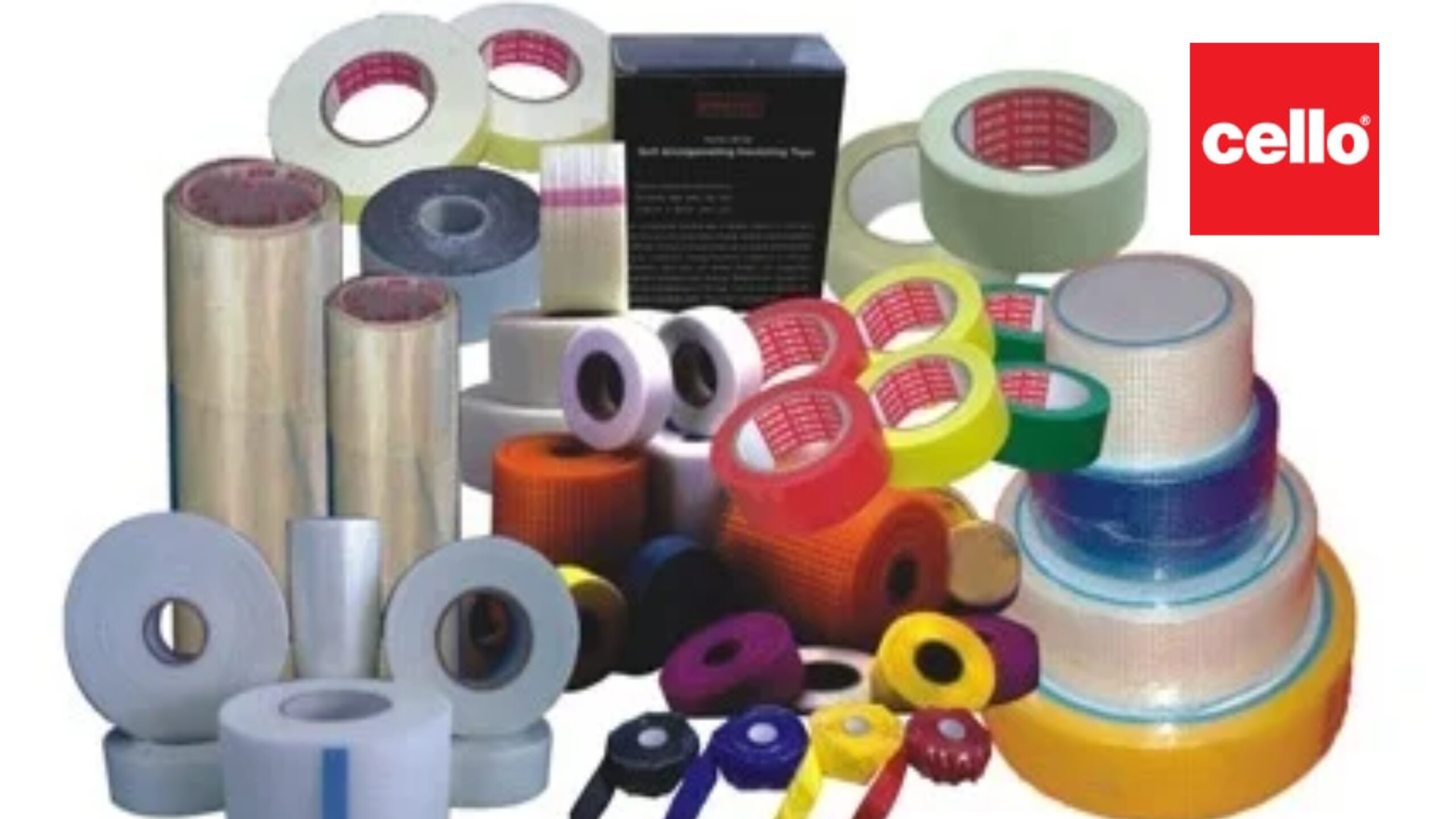
Cello Tape, once a modest adhesive product, has become an indispensable part of Indian households, offices, and schools. Its journey from a utility item to a household name reflects not only clever branding but also the evolution of consumer habits in India. Today, Cello Tape is synonymous with adhesive tape itself, a testament to its widespread acceptance and cultural impact.
Origins of Cello Tape in India
The story of Cello Tape began with the rise of adhesive products in the mid-20th century. Imported adhesive tapes were initially used in industries and offices, but their practicality soon made them popular among households. Recognizing this demand, Indian companies began manufacturing affordable alternatives, and Cello Tape quickly emerged as a reliable brand.
Its affordability, durability, and availability across urban and rural markets helped it gain traction. By the 1980s and 1990s, Cello Tape had become a staple in schools, offices, and homes, used for everything from packaging to craft projects.
Branding and Market Strategy
One of the key reasons behind Cello Tape’s success was its branding strategy. The company ensured that the product was marketed not just as stationery but as a versatile household tool. Over time, “Cello Tape” became a generic term for adhesive tape in India, much like “Xerox” for photocopying.
The brand capitalized on its visibility in everyday life. Whether sealing envelopes, repairing torn pages, or assisting in school projects, Cello Tape positioned itself as a product that solved small but frequent problems. This constant presence reinforced its identity as a household essential.
Everyday Utility and Cultural Presence
Cello Tape’s rise was not limited to its functional use. It became part of India’s cultural fabric, often mentioned in classrooms, offices, and even casual conversations. Teachers relied on it for classroom decorations, parents used it for quick fixes at home, and businesses depended on it for packaging.
Its versatility made it indispensable. From festive decorations to emergency repairs, Cello Tape became the go-to solution. This ubiquity ensured that the brand name itself became shorthand for adhesive tape, cementing its place in Indian consumer culture.
Expansion and Innovation
Over the years, the company behind Cello Tape expanded its product line to include different varieties—transparent, colored, double-sided, and heavy-duty tapes. These innovations catered to diverse needs, from industrial packaging to creative arts and crafts.
The expansion into specialized products helped the brand maintain relevance in a competitive market. By offering solutions for both professional and domestic use, Cello Tape strengthened its reputation as a versatile and reliable adhesive brand.
Competition and Market Challenges
Despite its dominance, Cello Tape faced competition from other adhesive brands and imported products. However, its strong brand identity and widespread recognition gave it an edge. Consumers often preferred Cello Tape over alternatives, even when other brands offered similar quality.
The challenge for the company has been to maintain its leadership in an evolving market. With the rise of e-commerce and global brands entering India, Cello Tape continues to rely on its legacy and consumer trust to stay ahead.
Symbol of Everyday Indian Life
Cello Tape’s journey reflects broader trends in India’s consumer culture. Products that solve everyday problems often become household names, transcending their original purpose. Cello Tape’s success lies in its ability to integrate seamlessly into daily routines, making it more than just a stationery item.
Its presence in schools, offices, and homes across generations has made it a symbol of practicality and reliability. For many Indians, Cello Tape is not just a product but a part of everyday life.
Conclusion
The rise of Cello Tape from a simple adhesive product to a household name in India highlights the power of branding, accessibility, and cultural integration. Its story is a reminder that even the most ordinary products can achieve extraordinary recognition when they become part of people’s daily lives. As India’s consumer market continues to evolve, Cello Tape remains a trusted companion, proving that practicality and reliability never go out of style.