The phrase “Boomer Uncle” has recently emerged as a lighthearted expression across social media and casual conversations, sparking curiosity about its origins and meaning. What began as a playful remark has quickly evolved into a cultural trend, reflecting the way language adapts to humor, generational differences, and online creativity.
Origins of the Phrase
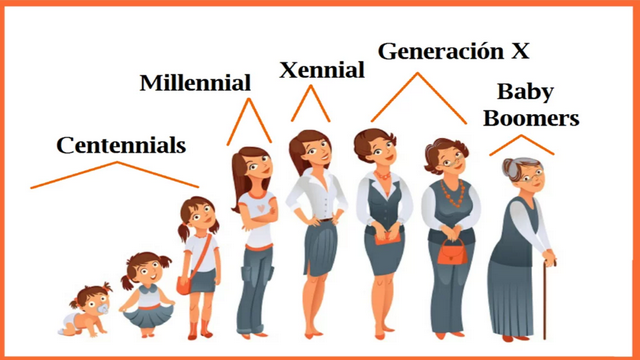
The term “Boomer Uncle” appears to be a humorous twist on the word “Boomer,” often used to describe members of the Baby Boomer generation. While “Boomer” has long been employed in internet slang to highlight generational gaps, the playful misspelling “Boomer” adds a comical edge. The addition of “Uncle” further localizes the phrase, resonating particularly in South Asian contexts where “uncle” is a common way to refer to older men, whether related or not.
Social Media Adoption
Social media platforms have played a central role in popularizing “Boomer Uncle.” Memes, short videos, and witty captions have amplified its usage, often portraying older individuals who struggle to keep up with modern trends or technology. The phrase is not used maliciously but rather in a humorous, affectionate tone, making it widely accepted among younger audiences.
Generational Humor and Cultural Nuance
The popularity of “Boomer Uncle” highlights the intersection of generational humor and cultural nuance. In many societies, younger generations often poke fun at older relatives for their outdated habits or resistance to change. The phrase encapsulates this dynamic in a way that is both relatable and entertaining. By combining global internet slang with local cultural references, “Boomer Uncle” bridges linguistic and social contexts.
Everyday Usage
Beyond social media, the phrase has entered everyday conversations. Friends jokingly call each other “Boomer Uncle” when someone expresses old-fashioned views or struggles with modern gadgets. In workplaces, it is sometimes used in a lighthearted manner to describe colleagues who resist new methods or prefer traditional practices. The phrase has thus become a shorthand for playful generational teasing.
Impact on Language Trends
The rise of “Boomer Uncle” demonstrates how language evolves through humor and digital culture. Similar to other viral expressions, it shows how a simple phrase can gain traction, spread rapidly, and become part of everyday speech. Linguists often note that such trends reflect deeper social dynamics, including the way younger generations negotiate identity and humor in relation to older ones.
Memes and Popular Culture
Memes featuring “Boomer Uncle” often depict exaggerated scenarios—such as someone refusing to use smartphones, misunderstanding internet slang, or insisting on traditional practices. These memes are widely shared, reinforcing the phrase’s popularity. The humor lies in the exaggeration, but the underlying message is one of affectionate teasing rather than criticism.
Why It Resonates Today
The phrase resonates because it captures a universal experience: the generational gap. In an era of rapid technological change, differences between younger and older generations are more visible than ever. “Boomer Uncle” provides a humorous way to acknowledge these differences without creating conflict. Its widespread acceptance shows how humor can ease generational tensions.
Conclusion
The “Boomer Uncle” trend illustrates the power of humor in shaping language and culture. What began as a playful twist on “Boomer” has become a widely recognized phrase, blending global internet slang with local cultural references. Its popularity underscores how language adapts to social dynamics, offering a comical yet affectionate way to highlight generational differences.