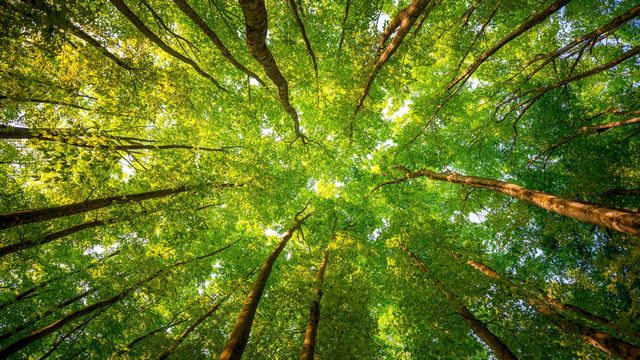
Trees are often described as the lungs of the Earth, and for good reason. They provide oxygen, absorb carbon dioxide, and play a crucial role in maintaining ecological balance. Beyond their environmental contributions, trees support human health, cultural traditions, and economic stability. As climate change intensifies, the importance of trees in sustaining life and protecting the planet has never been more urgent.
Trees as Oxygen Providers
One of the most fundamental roles of trees is their ability to produce oxygen through photosynthesis. A single mature tree can supply enough oxygen for two people annually. By absorbing carbon dioxide and releasing oxygen, trees help regulate the atmosphere, making them indispensable for human survival.
Climate Regulation and Carbon Sequestration
Trees act as natural carbon sinks, absorbing greenhouse gases that contribute to global warming. Forests worldwide store billions of tons of carbon, slowing the pace of climate change. Deforestation, however, releases this stored carbon back into the atmosphere, intensifying environmental crises. Protecting and expanding forest cover is therefore critical to climate resilience.
Biodiversity and Habitat Protection
Forests are home to more than 80% of terrestrial species of animals, plants, and fungi. Trees provide shelter, food, and breeding grounds for countless organisms. The destruction of forests threatens biodiversity, leading to species extinction and ecological imbalance. Conserving trees ensures the survival of diverse ecosystems that sustain life on Earth.
Soil Conservation and Water Cycle
Trees prevent soil erosion by anchoring the ground with their roots. They also enhance soil fertility by adding organic matter through fallen leaves. Additionally, trees play a vital role in the water cycle, absorbing rainfall and releasing moisture into the atmosphere through transpiration. This process helps maintain groundwater levels and reduces the risk of floods and droughts.
Health and Well-Being
Trees contribute to human health in multiple ways. Urban green spaces reduce air pollution, lower temperatures, and provide areas for recreation. Studies show that spending time around trees reduces stress, improves mental health, and enhances overall well-being. Medicinal plants derived from trees also form the basis of traditional and modern healthcare systems.
Urban Importance and Modern Challenges
In cities, trees mitigate the effects of urbanization by reducing heat islands, filtering pollutants, and improving air quality. However, rapid urban expansion often leads to tree loss. Balancing development with green infrastructure is essential to ensure sustainable urban living.
Conclusion
Trees are far more than natural resources; they are life-support systems that sustain the planet. From producing oxygen and regulating climate to supporting biodiversity and human health, their importance cannot be overstated. As the world faces environmental challenges, protecting and planting trees is not just an ecological necessity but a moral responsibility. Ensuring their survival is key to securing a healthier, greener, and more sustainable future.