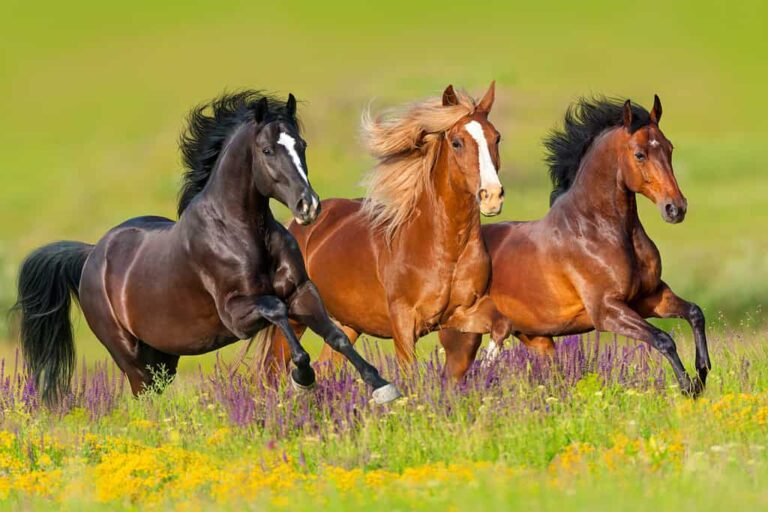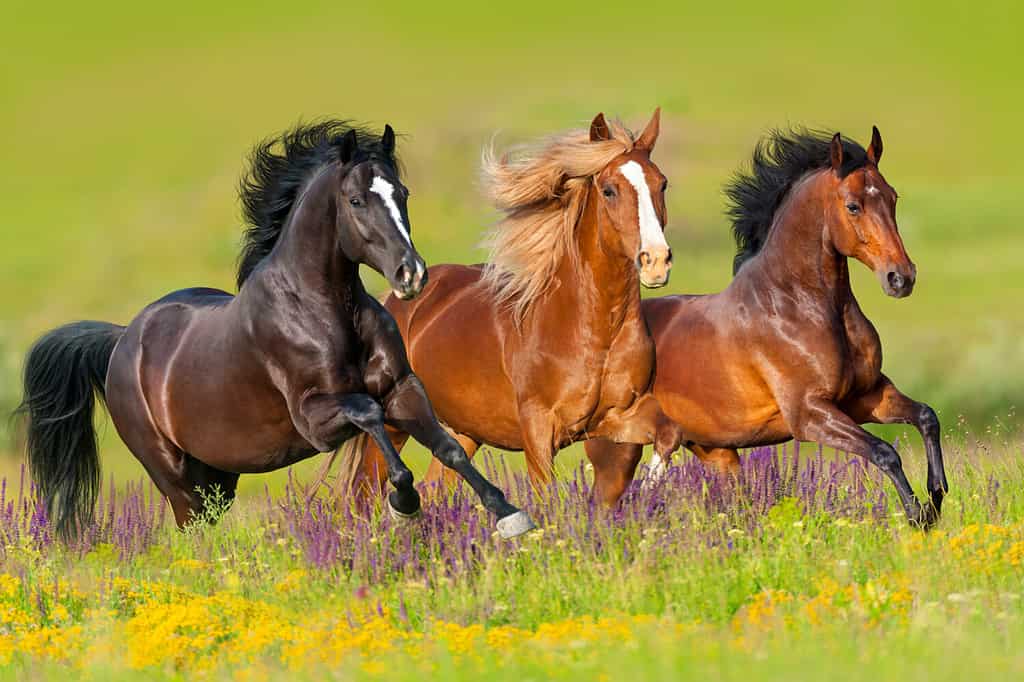
Among the many animals that have shared a special bond with humans throughout history, horses hold a unique and honored place. Known for their strength, beauty, intelligence, and loyalty, horses have been trusted companions for thousands of years. They have helped build civilizations, carried warriors into battle, assisted farmers in their work, and provided transportation across vast distances. Even today, horses continue to inspire people through sports, recreation, and companionship. Their fascinating world can truly be called the “Kingdom of Horses,” a realm where power, grace, and freedom come together in perfect harmony.
The Origins of Horses
The story of horses begins millions of years ago. Scientists believe that modern horses evolved from small, dog-sized ancestors that lived in forests. Over time, these animals adapted to changing environments, developing longer legs and stronger bodies that enabled them to run across open grasslands.
Around 4,000 to 5,000 years ago, humans began domesticating horses. Early civilizations quickly recognized the value of these animals for transportation, farming, and trade. As human societies expanded, horses became essential for connecting distant regions and supporting economic growth.
The domestication of horses marked a turning point in human history. Their speed and endurance allowed people to travel farther than ever before, helping cultures interact and exchange ideas.
Physical Characteristics of Horses
Horses are among the most powerful and athletic animals in the world. Their muscular bodies, strong legs, and large lungs enable them to run at impressive speeds and cover long distances.
A horse’s height is measured in “hands,” with one hand equal to four inches. Depending on the breed, horses can vary greatly in size and appearance. Some are compact and agile, while others are large and powerful.
Horses possess excellent senses. Their large eyes provide a wide field of vision, allowing them to detect movement from great distances. Their ears can rotate independently, helping them identify sounds from different directions. These abilities make horses highly aware of their surroundings.
Intelligence and Behavior
Horses are intelligent and social animals. They live in groups called herds and develop strong relationships with one another. Within a herd, horses communicate through body language, facial expressions, and vocal sounds.
They are capable of recognizing human emotions and often respond to the feelings of their handlers. This emotional sensitivity helps explain why horses form such strong bonds with people.
Horses also have excellent memories. They can remember places, people, and experiences for many years. This intelligence makes them highly trainable and adaptable to different tasks.
Popular Horse Breeds
The Kingdom of Horses includes hundreds of breeds, each developed for specific purposes and environments.
Arabian Horse
The Arabian horse is one of the oldest and most respected horse breeds in the world. Known for its endurance, intelligence, and distinctive appearance, it has influenced many other breeds throughout history.
Thoroughbred
Thoroughbreds are famous for their speed and athletic ability. They dominate horse racing events and are admired for their competitive spirit.
Clydesdale
Clydesdales are large draft horses known for their strength and gentle temperament. They were traditionally used for pulling heavy loads.
Mustang
Mustangs are wild horses that symbolize freedom and resilience. They roam open landscapes and have adapted to survive in challenging environments.
Friesian
Friesian horses are admired for their elegant appearance, black coats, and flowing manes. They are often featured in films, parades, and equestrian competitions.
Horses and Human Civilization
Few animals have influenced human civilization as much as horses. Before modern vehicles, horses served as the primary means of transportation. They carried people, goods, and messages across cities, countries, and continents.
In agriculture, horses helped farmers plow fields and transport crops. Their strength increased productivity and contributed to food production.
During times of war, horses played crucial roles in military campaigns. Cavalry units provided speed and mobility that often determined the outcomes of battles.
Explorers and pioneers also relied on horses to travel through unknown territories. Without horses, many historical journeys would have been far more difficult.
Horses in Sports and Recreation
Today, horses continue to play an important role in sports and recreation. Equestrian activities attract millions of participants and spectators worldwide.
Popular horse sports include:
- Horse Racing
- Show Jumping
- Dressage
- Polo
- Endurance Riding
- Rodeo Events
These activities showcase the athletic abilities of both horses and riders. They also strengthen the bond between humans and horses through trust and teamwork.
Many people enjoy horseback riding simply for relaxation and enjoyment. Riding allows individuals to connect with nature while developing balance, confidence, and discipline.
Horses in Therapy
One of the most remarkable modern uses of horses is in therapy programs. Equine-assisted therapy helps people with physical, emotional, and developmental challenges.
Interacting with horses can improve confidence, communication skills, emotional regulation, and physical coordination. Many individuals find comfort and encouragement through their relationships with these gentle animals.
The therapeutic benefits of horses demonstrate their ability to positively impact human well-being beyond traditional roles.
Horses in Culture and Literature
Horses have long been symbols of power, freedom, courage, and nobility. They appear in myths, legends, literature, paintings, and films across many cultures.
Famous stories often feature heroic horses that help their riders overcome challenges and achieve victory. From ancient mythology to modern cinema, horses continue to capture the imagination of people around the world.
Their majestic appearance and graceful movements have made them enduring symbols of beauty and strength.
Caring for Horses
Proper horse care is essential for maintaining their health and happiness. Responsible horse owners provide:
- Nutritious food and clean water
- Safe shelter
- Regular exercise
- Veterinary care
- Grooming and hoof maintenance
Horses require attention and commitment, but the rewards of caring for them are immense. A well-cared-for horse can live for 25 to 30 years or more.
Protecting the Future of Horses
As human populations grow and landscapes change, protecting horses becomes increasingly important. Conservation efforts help preserve wild horse populations and safeguard rare breeds from extinction.
Education also plays a key role in promoting horse welfare. By understanding the needs of horses, people can ensure that these magnificent animals receive the care and respect they deserve.
Supporting responsible breeding, ethical treatment, and conservation programs helps secure a brighter future for the Kingdom of Horses.
Conclusion
The Kingdom of Horses is a world filled with beauty, strength, intelligence, and loyalty. From ancient civilizations to modern society, horses have played an extraordinary role in shaping human history. They have served as workers, warriors, athletes, companions, and healers, demonstrating remarkable versatility and value. Their grace and spirit continue to inspire admiration across cultures and generations. As we celebrate these magnificent creatures, it is our responsibility to protect and care for them so that future generations can continue to experience the wonder and majesty of the Kingdom of Horses.