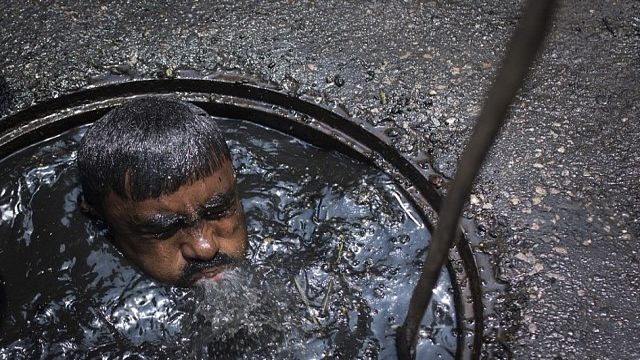
Manual scavenging, the practice of cleaning human waste by hand, remains one of India’s most pressing social and human rights concerns. Despite being outlawed under the Prohibition of Employment as Manual Scavengers and their Rehabilitation Act, 2013, thousands of workers continue to be engaged in this hazardous occupation. The persistence of manual scavenging highlights the intersection of poverty, caste discrimination, and inadequate enforcement of laws, making it a critical issue for India’s social and economic development.
Historical Context of Manual Scavenging
Manual scavenging has existed in India for centuries, rooted in caste hierarchies that relegated certain communities to degrading tasks. Traditionally, Dalits were forced into this occupation, reinforcing systemic discrimination. Although modernization and sanitation reforms have reduced its prevalence, the practice continues in many rural and urban areas, particularly where modern sewage systems are absent.
Legal Framework and Government Efforts
India has enacted several laws to abolish manual scavenging, most notably the 2013 Act, which criminalizes the employment of manual scavengers and mandates rehabilitation programs. The Supreme Court has repeatedly emphasized the need to eradicate this practice, directing governments to provide compensation to families of workers who die while cleaning sewers. However, weak enforcement, lack of awareness, and inadequate rehabilitation schemes have hindered progress.
Health Hazards and Human Cost
Manual scavengers face severe health risks, including respiratory diseases, skin infections, and exposure to toxic gases. Deaths due to suffocation in septic tanks and sewers are tragically common. According to government data, hundreds of workers die annually while cleaning sewage systems without protective gear. The absence of safety equipment and training exacerbates the dangers, making manual scavenging one of the most hazardous occupations in the country.
Social Stigma and Caste Discrimination
Beyond physical risks, manual scavengers endure deep social stigma. The occupation is closely tied to caste-based discrimination, with workers often ostracized from mainstream society. This marginalization perpetuates cycles of poverty, as families engaged in manual scavenging struggle to access education, healthcare, and alternative employment opportunities.
Rehabilitation and Challenges
Government schemes promise rehabilitation through skill development, financial assistance, and alternative employment. Yet, reports indicate that many workers remain trapped in the occupation due to lack of effective implementation. Rehabilitation programs often fail to reach intended beneficiaries, leaving communities vulnerable to exploitation. Civil society organizations argue that stronger monitoring and accountability mechanisms are essential to ensure meaningful change.
Civil Society and Activism
Activists and NGOs have played a crucial role in raising awareness about manual scavenging. Campaigns such as Safai Karamchari Andolan have highlighted the plight of workers and pressured governments to act. Grassroots movements continue to demand dignity, safety, and justice for manual scavengers, framing the issue as a violation of fundamental human rights.
International Perspective
Globally, manual scavenging is recognized as a form of modern slavery. International organizations, including the United Nations, have urged India to intensify efforts to eradicate the practice. India’s progress on this front is closely watched as part of its broader human rights commitments.
Conclusion
Manual scavenging in India is more than a sanitation issue—it is a matter of human dignity, equality, and justice. Despite legal bans and government initiatives, the practice persists due to systemic discrimination, weak enforcement, and lack of effective rehabilitation. Ending manual scavenging requires a multi-pronged approach: stronger laws, mechanized sanitation, social awareness, and empowerment of marginalized communities. As India advances toward modernization, eradicating this inhumane practice remains essential to building a society rooted in equality and respect.