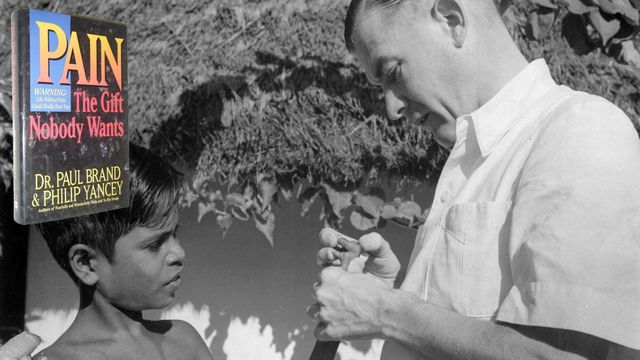
Pain is often regarded as an unwelcome intruder in human life, something to be avoided or eliminated. Yet, in his influential work The Gift of Pain, author Philip Yancey, in collaboration with Dr. Paul Brand, presents a strikingly different perspective. They argue that pain, far from being merely destructive, serves as a vital signal that protects, teaches, and ultimately enriches human existence. This psychological and spiritual exploration challenges conventional views, urging readers to reconsider the role of suffering in shaping resilience and meaning.
Understanding Pain Beyond the Physical
Yancey and Brand emphasize that pain is not simply a physical sensation but a complex experience involving psychological and spiritual dimensions. Pain alerts the body to injury, but it also shapes behavior, teaching caution and endurance. Without pain, individuals would be unable to recognize harm or protect themselves from danger. This perspective reframes pain as a safeguard rather than a punishment, highlighting its indispensable role in survival.
Dr. Paul Brand’s Medical Insights
Dr. Paul Brand, renowned for his pioneering work with leprosy patients, provides medical evidence to support this view. He observed that patients who lost the ability to feel pain due to nerve damage were at greater risk of severe injuries. Without pain as a warning system, they unknowingly harmed themselves, leading to infections and disabilities. Brand’s findings underscore the paradox: pain, though unpleasant, is essential for preserving health and preventing irreversible damage.
Psychological Dimensions of Pain
From a psychological standpoint, pain influences emotional resilience and coping mechanisms. Yancey highlights how individuals often grow stronger through adversity, developing patience, empathy, and perseverance. Pain forces people to confront limitations, adapt to challenges, and seek support from others. In this way, suffering fosters community and compassion, reminding individuals of their shared vulnerability and interconnectedness.
Spiritual Reflections on Suffering
Yancey’s theological reflections add a spiritual dimension to the discussion. He argues that pain can serve as a pathway to deeper faith and understanding. In Christian thought, suffering is often seen as a means of transformation, drawing individuals closer to God and instilling humility. Yancey suggests that pain, when embraced rather than resisted, can reveal profound truths about human dependence, endurance, and hope.
Pain as a Teacher
One of the central themes in The Gift of Pain is the idea of pain as a teacher. Pain teaches boundaries, urging caution in physical activity. It teaches empathy, allowing individuals to relate to the suffering of others. It teaches resilience, pushing people to endure hardships and emerge stronger. Yancey and Brand argue that these lessons are invaluable, shaping character and guiding moral and spiritual growth.
Modern Relevance of Yancey’s Work
In today’s world, where medical science often seeks to eliminate pain entirely, Yancey’s insights remain relevant. The widespread use of painkillers and anesthetics, while beneficial, sometimes obscures the protective role of pain. His work serves as a reminder that pain should not always be suppressed but understood and respected. This perspective is particularly significant in discussions about mental health, chronic illness, and palliative care.
Balancing Relief and Awareness
While acknowledging the necessity of pain, Yancey and Brand also recognize the importance of relief. Medical interventions that reduce suffering are vital, but they caution against viewing pain solely as an enemy. The challenge lies in balancing relief with awareness—using medicine to manage pain while appreciating its role as a guide and protector. This balanced approach ensures that pain continues to serve its purpose without overwhelming human experience.
Cultural and Ethical Implications
The book also raises cultural and ethical questions about how societies perceive and respond to pain. In cultures that prioritize comfort and convenience, pain is often stigmatized as failure or weakness. Yancey challenges this narrative, urging readers to see pain as part of the human condition. Ethically, his work calls for compassion toward those who suffer, recognizing that pain can be both a burden and a gift.
Conclusion
Philip Yancey’s The Gift of Pain offers a profound rethinking of suffering, presenting pain not as a curse but as a vital gift. Through medical evidence, psychological insights, and spiritual reflection, Yancey and Brand demonstrate that pain protects, teaches, and transforms. In a world eager to eliminate discomfort, their work reminds us that pain, though difficult, is essential to human growth and resilience. The true gift of pain lies in its ability to shape character, foster empathy, and deepen faith, making it an indispensable part of life’s journey.