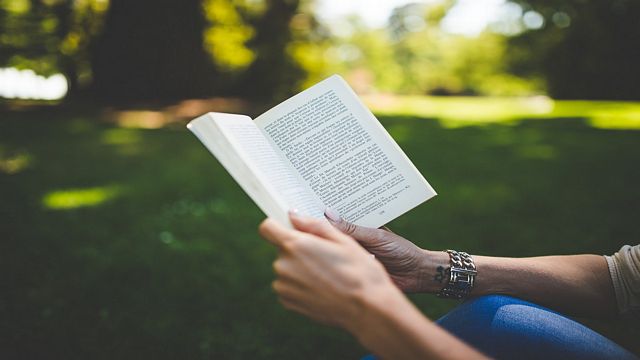
Reading books is one of the most enriching habits, offering knowledge, entertainment, and personal growth. Yet many readers struggle with comprehension, retention, or consistency. Effective reading requires more than simply turning pages—it involves strategies that maximize understanding and memory. This article explores practical tips to read books effectively, combining psychological insights and proven techniques to help readers make the most of their reading time.
Setting Clear Objectives
Effective reading begins with purpose. Readers should identify why they are reading a particular book—whether for academic study, professional development, or leisure. Having clear objectives helps focus attention and guides the way information is processed. For instance, reading a textbook requires analytical engagement, while reading a novel may emphasize emotional connection and narrative flow.
Creating the Right Environment
The environment plays a crucial role in concentration. A quiet, well-lit space minimizes distractions and allows readers to immerse themselves fully in the text. Studies in cognitive psychology suggest that external noise and interruptions reduce comprehension. Establishing a consistent reading routine, such as dedicating specific hours daily, strengthens focus and builds discipline.
Active Reading Strategies
Active reading involves engaging with the text rather than passively scanning words. Techniques such as highlighting key points, taking notes, and asking questions while reading improve comprehension. Summarizing chapters in one’s own words reinforces memory and ensures deeper understanding.
Another effective method is the SQ3R technique—Survey, Question, Read, Recite, and Review. This structured approach encourages readers to preview material, formulate questions, and actively recall information, making learning more effective.
Managing Reading Pace
Reading speed should align with the type of material. Complex academic texts require slower, deliberate reading to grasp intricate concepts, while lighter fiction can be read more quickly. Skimming and scanning are useful for identifying key ideas, but deep reading ensures critical analysis. Balancing speed with comprehension is essential for effective reading.
Building Connections
Memory retention improves when readers connect new information with prior knowledge. Associating concepts from a book with real-life experiences or previously learned material strengthens recall. For example, linking historical events in a book to current affairs enhances understanding and relevance.
Psychologists emphasize that meaningful connections create stronger neural pathways, making information easier to retrieve later.
Taking Breaks and Reflecting
Continuous reading without breaks can lead to fatigue and reduced comprehension. Short pauses allow the brain to process and consolidate information. Reflection after reading a chapter helps reinforce key ideas and encourages critical thinking. Journaling or discussing the book with peers further deepens understanding.
Using Technology Wisely
Digital tools can support effective reading when used appropriately. E-readers and apps offer features such as adjustable fonts, built-in dictionaries, and annotation options. Audiobooks provide flexibility, allowing readers to absorb content during commutes or workouts. However, excessive reliance on digital distractions can hinder focus, so balance is key.
Consistency and Habit Formation
Developing a consistent reading habit is vital. Setting daily or weekly goals, such as reading a certain number of pages, helps maintain discipline. Tracking progress through journals or apps motivates readers and creates accountability. Over time, consistent practice enhances both speed and comprehension.
Conclusion
Reading effectively is not just about finishing books—it is about understanding, retaining, and applying knowledge. By setting clear objectives, creating the right environment, practicing active reading, and maintaining consistency, readers can transform their experience into a powerful tool for personal and professional growth. Books remain timeless sources of wisdom, and with the right strategies, they can be enjoyed and remembered more meaningfully.