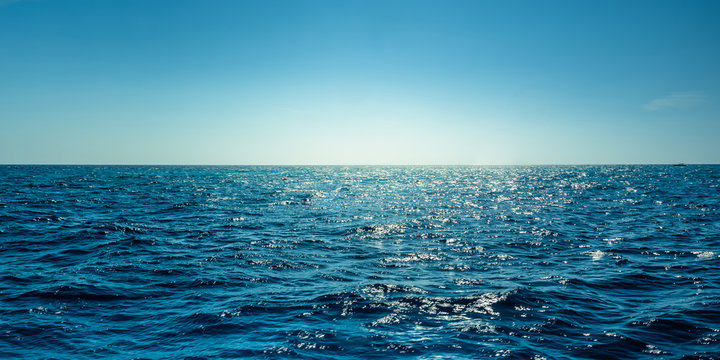
Covering nearly one-third of the Earth’s surface, the Pacific Ocean is the largest and deepest ocean on our planet. Stretching from Asia and Australia in the west to North and South America in the east, this vast body of water has fascinated explorers, scientists, sailors, and travelers for centuries. Its immense size, incredible biodiversity, and hidden mysteries make it one of the most important natural features on Earth.
Often called Earth’s largest blue frontier, the Pacific Ocean is much more than a vast expanse of water. It regulates the global climate, supports countless species of marine life, connects nations through trade and travel, and contains some of the most extraordinary natural wonders on the planet. Understanding the Pacific Ocean helps us appreciate its significance and the role it plays in sustaining life on Earth.
The Largest Ocean in the World
The Pacific Ocean covers approximately 165 million square kilometers, making it larger than all of Earth’s land areas combined. It extends from the Arctic Ocean in the north to the Southern Ocean in the south and spans thousands of kilometers from east to west.
Because of its enormous size, the Pacific touches the shores of numerous countries and territories. It influences weather patterns, economies, cultures, and ecosystems across a significant portion of the globe.
The name “Pacific” was given by Portuguese explorer Ferdinand Magellan in the 16th century. After encountering calm waters during part of his voyage, he named it “Mar Pacifico,” meaning “peaceful sea.” However, the Pacific is not always peaceful and is known for powerful storms, typhoons, and massive waves.
Home to the Deepest Point on Earth
One of the Pacific Ocean’s most remarkable features is the Mariana Trench, the deepest known location on Earth.
Within the trench lies the Challenger Deep, which reaches depths of nearly 11 kilometers below sea level. If Mount Everest were placed inside the trench, its peak would still remain underwater.
The extreme pressure and darkness of these depths create one of the most challenging environments on Earth. Despite these harsh conditions, scientists have discovered unique organisms capable of surviving in this extraordinary habitat.
A Treasure House of Marine Life
The Pacific Ocean supports an incredible diversity of life. From microscopic plankton to enormous whales, countless species depend on its waters for survival.
Coral reefs, seagrass beds, mangrove forests, and open ocean ecosystems provide habitats for fish, sea turtles, dolphins, sharks, and many other marine creatures. Some of the world’s most colorful and diverse coral reef systems are found in the Pacific region.
Marine biodiversity is essential not only for ocean health but also for human communities that rely on fishing, tourism, and coastal resources.
The Ring of Fire
Surrounding much of the Pacific Ocean is a region known as the Pacific Ring of Fire.
This area contains numerous volcanoes and tectonic plate boundaries. As a result, it experiences frequent earthquakes, volcanic eruptions, and tsunamis. Approximately 75 percent of the world’s active volcanoes are located within this region.
While these geological forces can be destructive, they have also shaped many islands, mountain ranges, and unique landscapes around the Pacific.
Islands Scattered Across the Blue Frontier
Thousands of islands are scattered throughout the Pacific Ocean, ranging from tiny coral atolls to large landmasses.
Many Pacific islands have developed unique cultures, languages, and traditions over centuries of isolation. These islands are home to vibrant communities that maintain strong connections to the ocean.
The beauty of Pacific islands attracts millions of visitors each year, making tourism an important source of income for many island nations.
The Pacific’s Role in Climate
The Pacific Ocean plays a crucial role in regulating Earth’s climate. Its vast waters absorb and store enormous amounts of solar energy, helping to balance global temperatures.
Major climate phenomena such as El Niño and La Niña originate in the Pacific. These events influence weather patterns around the world, affecting rainfall, droughts, storms, and agricultural production.
Scientists closely monitor Pacific Ocean conditions because changes in its temperature can have far-reaching impacts on global climate systems.
Economic Importance
The Pacific Ocean is one of the world’s most important economic resources. It supports international trade routes that connect continents and facilitate the movement of goods between nations.
Fishing industries provide food and employment for millions of people. The ocean also contains valuable natural resources, including minerals, energy reserves, and marine products.
Ports located along the Pacific coastline serve as major centers of commerce, helping drive economic growth in many countries.
Challenges Facing the Pacific Ocean
Despite its vastness, the Pacific Ocean faces significant environmental challenges.
Plastic pollution has become a major concern, with large amounts of waste entering marine ecosystems each year. Some areas contain massive accumulations of floating debris that threaten marine wildlife.
Overfishing has reduced populations of certain fish species, disrupting marine food chains and affecting coastal communities.
Climate change is also impacting the Pacific. Rising ocean temperatures, coral bleaching, sea-level rise, and ocean acidification pose serious risks to marine ecosystems and island nations.
Protecting the Pacific Ocean requires international cooperation and sustainable management practices.
Scientific Exploration and Discovery
Much of the Pacific Ocean remains unexplored. Scientists continue to discover new species, underwater landscapes, and geological features hidden beneath its surface.
Advanced technologies such as deep-sea submersibles, remotely operated vehicles, and satellite monitoring have expanded our understanding of this vast environment.
Every new discovery reveals how much remains unknown about Earth’s largest ocean and highlights the importance of continued research.
Why the Pacific Matters
The Pacific Ocean is more than just a geographical feature. It is a life-support system for the planet. It produces oxygen, regulates climate, supports biodiversity, and provides resources that billions of people depend upon.
Its health directly affects human well-being, making conservation efforts essential for future generations. By reducing pollution, protecting marine habitats, and promoting sustainable practices, people can help preserve this remarkable ocean.
Conclusion
The Pacific Ocean truly deserves its title as Earth’s largest blue frontier. Its immense size, extraordinary depth, rich biodiversity, and powerful influence on global systems make it one of the most important natural wonders on the planet. From the deepest trenches to the most remote islands, the Pacific continues to inspire curiosity and discovery.
As humanity faces growing environmental challenges, protecting this magnificent ocean becomes increasingly important. The Pacific Ocean is not only a symbol of natural beauty and exploration but also a vital resource that supports life across the globe. Its future depends on our commitment to understanding, respecting, and preserving the world’s greatest ocean.