June 02, 2026
Education has undergone remarkable changes over the years, and one of the most significant developments is the rise of online learning. Online learning, also known as e-learning, uses digital technology and the internet to deliver educational content to students. It allows learners to study from any location and at their own pace. With rapid technological advancements and increasing internet accessibility, online learning has become an important part of modern education.
The COVID-19 pandemic highlighted the importance of online learning by forcing schools, colleges, and universities worldwide to shift to virtual classrooms. What began as a necessity has now become a permanent feature of education. As technology continues to evolve, the future of online learning promises greater flexibility, accessibility, and innovation.
Growth of Online Learning
Online learning has experienced tremendous growth in recent years. Educational institutions and organizations increasingly use digital platforms to deliver lessons, assignments, and assessments. Students can now access lectures, study materials, and learning resources through computers, tablets, and smartphones.
The popularity of online learning is largely due to its convenience. Learners can study according to their schedules without being restricted by location. This flexibility benefits students, working professionals, and individuals seeking additional skills or qualifications. As internet connectivity improves worldwide, online education is expected to continue expanding and reaching more learners.
Artificial Intelligence and Personalized Education
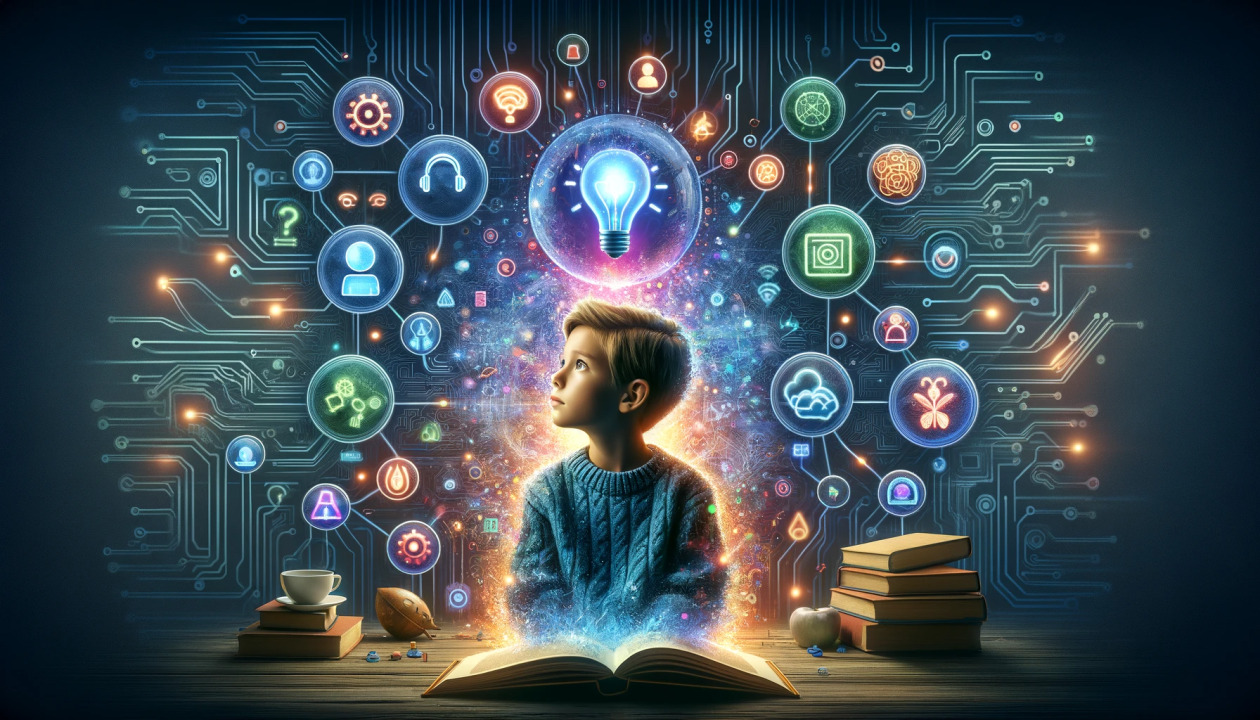
One of the most exciting developments in online learning is the use of Artificial Intelligence (AI). AI has the ability to transform education by creating personalized learning experiences. Traditional classrooms often follow a standard teaching method for all students, but online platforms can adapt content based on individual learning needs.
AI-powered systems can analyze student performance and provide customized recommendations. Students who struggle with a subject can receive extra support, while those who learn quickly can move ahead at a faster pace. AI tutors can answer questions instantly and provide feedback, helping learners understand concepts more effectively.
Personalized learning improves student engagement and academic performance. In the future, AI is expected to become even more advanced, making online education more efficient and learner-centered.
Virtual Reality and Augmented Reality
Virtual Reality (VR) and Augmented Reality (AR) are changing the way students interact with educational content. These technologies create immersive learning experiences that make lessons more engaging and memorable.
Virtual Reality allows students to enter simulated environments where they can explore historical sites, conduct scientific experiments, or practice professional skills. For example, medical students can perform virtual surgeries, and engineering students can examine complex machinery without physical risks.
Augmented Reality enhances real-world environments by adding digital information through devices such as smartphones and tablets. Students can interact with 3D models, animations, and visual explanations that improve understanding. As VR and AR technologies become more affordable, they are expected to play a major role in the future of online learning.
Accessibility and Global Opportunities
One of the greatest advantages of online learning is its accessibility. Students from different countries and backgrounds can access educational resources regardless of their location. This has opened new opportunities for people who may not have access to quality education in their local communities.
Online learning is particularly beneficial for individuals living in remote areas, working professionals, and people with disabilities. It removes many barriers associated with traditional education, such as travel costs and rigid schedules.
Challenges of Online Learning
Despite its many benefits, online learning faces several challenges. One major issue is the digital divide. Not all students have access to reliable internet connections, computers, or digital devices. This can limit educational opportunities and create inequalities.
Another challenge is maintaining student engagement. Online learning requires self-discipline and motivation, which some learners may find difficult. Without direct classroom interaction, students may experience feelings of isolation or distraction.
Academic integrity is also a concern. Educational institutions must develop effective methods to prevent cheating during online assessments and maintain high academic standards.
Addressing these challenges will be important for ensuring the long-term success of online education.
The Future of Hybrid Learning
Many educators believe that the future of education will involve a combination of online and traditional classroom learning, known as hybrid or blended learning. This approach combines the flexibility of online education with the personal interaction of face-to-face teaching.
Hybrid learning allows students to access digital resources while also benefiting from classroom discussions and practical activities. It offers a balanced educational experience that meets diverse learning needs.
As educational institutions continue to adopt digital technologies, hybrid learning is expected to become a common model in schools, colleges, and universities around the world.
Online learning is transforming education by making it more flexible, accessible, and innovative. With advancements in technology such as Artificial Intelligence and Virtual Reality, learning experiences will become more engaging and personalized. Despite some challenges, online learning will continue to play a major role in shaping the future of education and creating opportunities for learners around the world.