June 01, 2026
The Chief Minister of Tamil Nadu is the head of the state government and one of the most important public office holders in the state. Whenever the Chief Minister travels for official engagements, a carefully coordinated system of security, administration, and logistics comes into operation. Whether the visit is to inaugurate a government project, review development works, attend a public function, or inspect a district, several departments work together to ensure the journey is safe, efficient, and disruption-free.
While citizens often notice police deployment, traffic diversions, and official convoys during a Chief Minister’s visit, much of the planning happens behind the scenes. These arrangements are not merely ceremonial. They are designed to ensure the safety of the Chief Minister, maintain public order, and allow official duties to be carried out smoothly.
Planning Starts Days in Advance
Preparations for a Chief Ministerial visit usually begin several days before the actual event. Once the itinerary is finalized by the Chief Minister’s Office, details are shared with district authorities, police officials, and relevant government departments.
Coordination meetings are conducted to discuss travel schedules, venue arrangements, security requirements, and public participation. Officials prepare a detailed operational plan covering every aspect of the visit, from transportation and security to emergency response measures. This advance planning helps ensure that all departments are prepared for their respective responsibilities.
Route Planning and Traffic Arrangements
One of the most important aspects of the visit is route planning. Security personnel and police officers inspect the roads that will be used by the Chief Minister’s convoy. Factors such as traffic density, road conditions, ongoing construction work, and potential security concerns are taken into account.
Alternative routes are also identified in case of emergencies or unexpected disruptions. Traffic police coordinate diversions and movement control measures to ensure the convoy can travel safely while minimizing inconvenience to the public. In many cases, route rehearsals are conducted before the visit to verify that all arrangements are functioning as planned.
Security Convoy and Protection
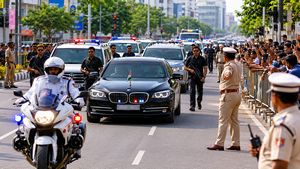
The Chief Minister travels with a security convoy consisting of multiple vehicles. The convoy generally includes pilot vehicles, escort vehicles, security personnel, and communication support teams.
The purpose of the convoy is to provide continuous protection and ensure smooth movement. Security personnel remain in constant communication throughout the journey, allowing them to respond quickly to any situation that may arise. The exact number of vehicles and personnel may vary depending on the location, nature of the event, and prevailing security assessment.
Role of the Police Department
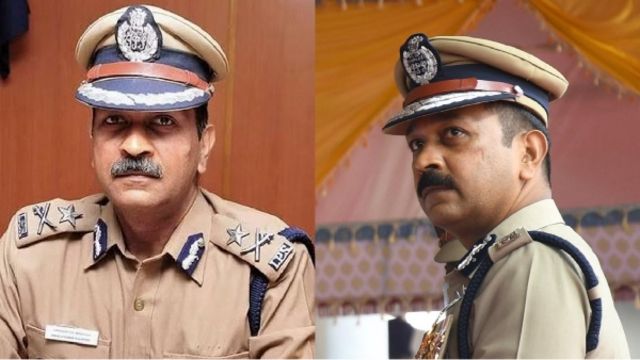
The Tamil Nadu Police plays a central role in every Chief Ministerial visit. Police officers are responsible for securing travel routes, protecting event venues, regulating traffic, and managing public gatherings.
Senior officers supervise operations and coordinate with district administrations and intelligence agencies. Depending on the size of the event, additional personnel may be deployed at important locations to strengthen security. Their objective is to maintain law and order while ensuring the visit proceeds without interruption.
Intelligence and Risk Assessment
Before every major visit, intelligence agencies conduct assessments to evaluate potential risks. They gather information about local conditions, expected crowds, event sensitivity, and other factors that could affect security.
Based on these assessments, authorities decide the level of security required for the visit. If necessary, additional protective measures may be introduced. Intelligence monitoring often continues throughout the visit so that emerging concerns can be addressed promptly.
Venue Security and Access Control
When the Chief Minister attends a public function, security arrangements at the venue become a major priority. Officials inspect the site in advance and review entry points, exit routes, seating arrangements, stage locations, and emergency evacuation plans.
Restricted zones are established for officials and security personnel. Access to sensitive areas is controlled through passes or authorization systems. These measures help authorities manage large gatherings while ensuring the safety of attendees and dignitaries.
Managing Public Crowds
Public meetings and government functions involving the Chief Minister often attract large numbers of people. Effective crowd management is therefore essential.
Authorities establish designated entry and exit points, barricades, waiting areas, and emergency pathways. Police personnel and volunteers guide attendees and monitor crowd movement throughout the event. Public announcement systems may also be used to provide instructions and maintain order.
The goal is to ensure that citizens can participate in the event comfortably while preventing overcrowding and confusion.
Medical Preparedness
Medical preparedness is an important part of every official visit. Ambulances and medical teams are placed on standby at strategic locations. Nearby hospitals are informed in advance and remain prepared to provide emergency assistance if required.
Authorities also develop contingency plans for situations such as medical emergencies, severe weather conditions, or transportation disruptions. These arrangements ensure that immediate assistance is available whenever necessary.
Air Travel Protocols
When the Chief Minister travels by air, airport authorities coordinate closely with police and security agencies. Special arrangements are made to ensure smooth arrival and departure procedures while maintaining security standards.
Transportation between the airport and the event venue is also carefully planned. Security personnel monitor movement throughout the journey, and communication remains active among all agencies involved in the operation.
Coordination Among Departments
A successful Chief Ministerial visit depends on the cooperation of multiple government departments. The district administration typically serves as the coordinating authority, bringing together officials from transport, health, electricity, public works, municipal administration, and other departments.
Each department is assigned specific responsibilities based on the nature of the visit. This collaborative approach ensures that infrastructure, public services, and security arrangements function efficiently throughout the program.
Technology in Modern Security Operations
Technology has become an important component of VIP security management. Surveillance cameras, communication systems, GPS tracking, and command centers help authorities monitor activities in real time.
These tools improve coordination among officials and enable quick responses to changing situations. Real-time monitoring also allows decision-makers to identify and address issues before they escalate.
As technology continues to evolve, it is playing an increasingly significant role in ensuring the safety and efficiency of high-profile government visits.
Balancing Security and Public Access
One of the biggest challenges during a Chief Minister’s visit is balancing security requirements with public accessibility. As an elected leader, the Chief Minister frequently interacts with citizens, beneficiaries of government schemes, local representatives, and community leaders.
Authorities therefore aim to maintain strong security measures while ensuring meaningful public engagement. This balance allows the Chief Minister to remain accessible without compromising safety.