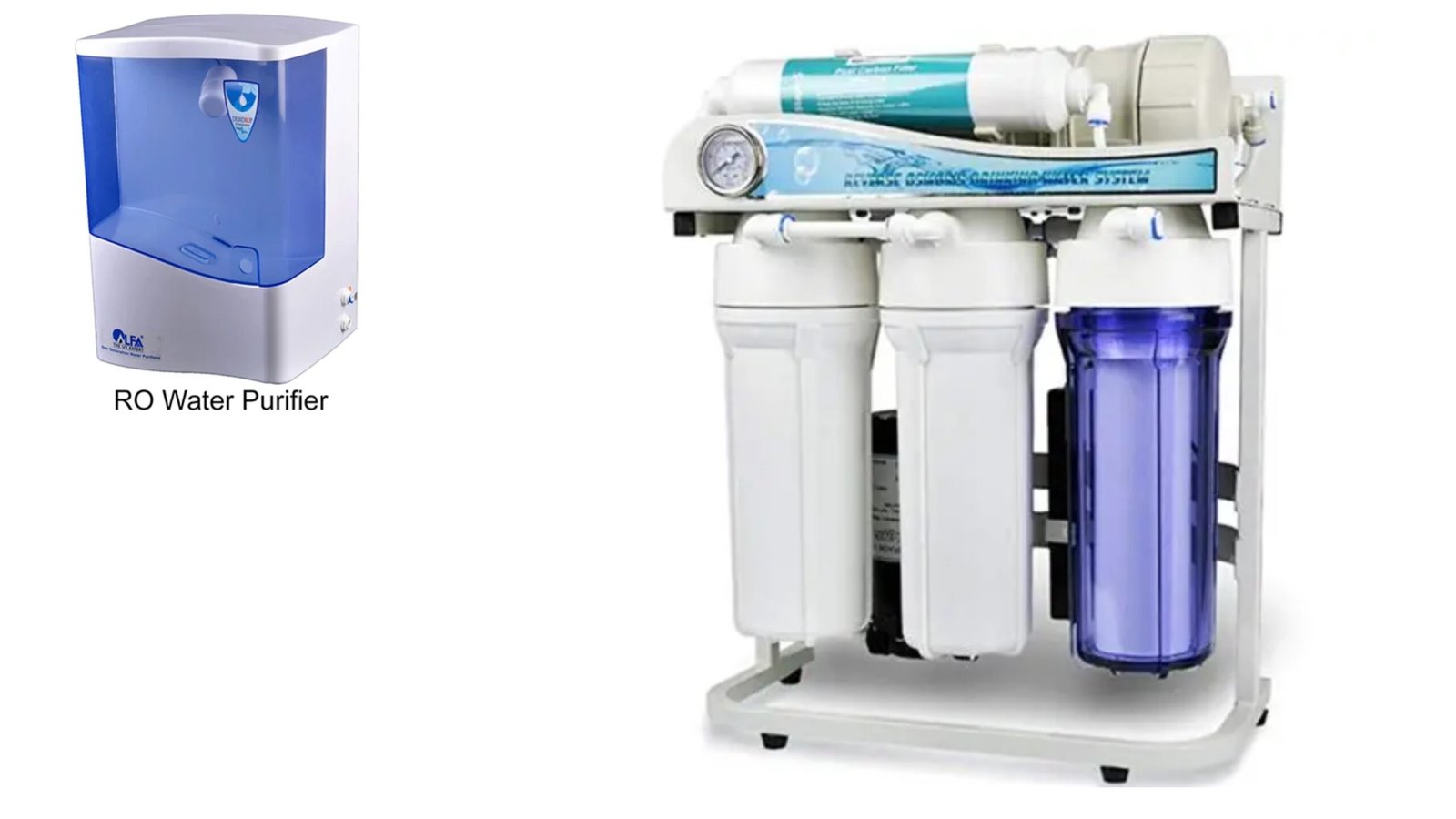
Access to clean drinking water remains one of the most pressing public health challenges worldwide. With rising concerns over water contamination, Reverse Osmosis (RO) water purifiers have emerged as a trusted solution for households and institutions. By effectively removing harmful impurities, RO systems play a vital role in safeguarding health and ensuring safe hydration.
Understanding RO Technology
Reverse Osmosis is a water purification process that uses a semi-permeable membrane to filter out dissolved salts, heavy metals, and microorganisms. Unlike traditional filtration methods, RO technology can eliminate microscopic contaminants that are invisible to the naked eye. This makes it particularly effective in regions where groundwater contains high levels of fluoride, arsenic, or nitrates.
Why Clean Drinking Water Matters
Contaminated water is a leading cause of waterborne diseases such as cholera, dysentery, and diarrhea. According to global health reports, millions of people suffer annually due to unsafe drinking water. In India, where industrial pollution and agricultural runoff often affect water sources, the need for reliable purification systems has grown significantly. RO purifiers provide a crucial line of defense against these risks.
Key Benefits of RO Water Purifiers
RO water purifiers offer multiple advantages beyond basic filtration:
- Removal of Harmful Chemicals: They eliminate pesticides, heavy metals, and dissolved salts that can cause long-term health issues.
- Improved Taste and Odor: By removing chlorine and organic matter, RO systems enhance the taste and smell of drinking water.
- Protection Against Microorganisms: RO membranes block bacteria and viruses, reducing the risk of infections.
- Adaptability: RO purifiers can be installed in homes, schools, hospitals, and offices, making them versatile for different settings.
Addressing Concerns About RO Systems
While RO purifiers are highly effective, some critics argue that they also remove essential minerals from water. To address this, modern RO systems often include mineral cartridges that reintroduce calcium and magnesium, ensuring balanced nutrition. Additionally, concerns about water wastage during the purification process have led to innovations in water-saving RO models.
RO Purifiers in Indian Households
In urban India, RO water purifiers have become a common household appliance. Families increasingly view them as essential investments in health. Rural areas, where water contamination is often more severe, are also witnessing a gradual adoption of RO systems through government initiatives and awareness campaigns.
Global Perspective on RO Technology
Beyond India, RO technology is widely used in countries facing water scarcity and contamination. Nations in the Middle East employ large-scale RO desalination plants to convert seawater into potable water. This demonstrates the adaptability of RO systems, from household units to industrial-scale applications.
The Future of Water Purification
As environmental challenges intensify, the demand for advanced water purification technologies will continue to rise. RO systems are expected to evolve with features such as smart monitoring, energy efficiency, and eco-friendly designs. These innovations aim to make clean drinking water accessible to all, while minimizing environmental impact.
Conclusion
The role of RO water purifiers in ensuring safe drinking water cannot be overstated. By removing harmful contaminants and protecting against waterborne diseases, they contribute directly to public health and well-being. As technology advances, RO systems will remain a cornerstone of clean water solutions, offering households and communities a reliable safeguard against contamination.