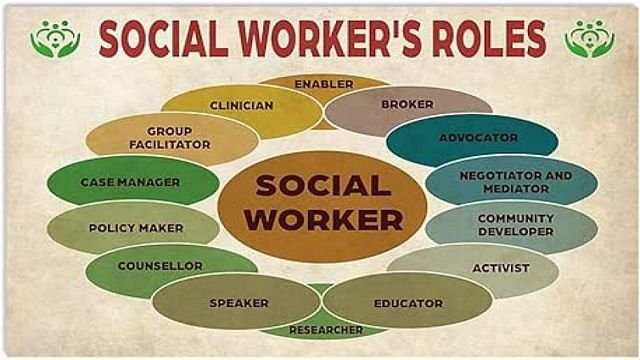
Social workers have become indispensable agents of change in rural India, where communities often face challenges of poverty, illiteracy, and limited access to healthcare. Their contribution extends beyond welfare programs, shaping the social fabric by empowering marginalized groups, improving education, and ensuring basic rights. The value of social workers in rural places of India lies not only in immediate relief but also in long-term sustainable development.
Bridging the Gap in Education
One of the most significant contributions of social workers in rural India is their role in promoting education. In villages where schools are under-resourced and dropout rates remain high, social workers intervene by encouraging parents to send children to school, organizing awareness campaigns, and supporting government initiatives like the Right to Education Act. They also collaborate with NGOs to provide scholarships, distribute learning materials, and create community-based learning centers.
By addressing barriers such as child labor and gender discrimination, social workers help ensure that education becomes a pathway to empowerment. Their efforts have led to increased literacy rates in several rural districts, laying the foundation for future economic growth.
Strengthening Rural Healthcare
Healthcare in rural India continues to face challenges due to inadequate infrastructure and shortage of medical professionals. Social workers play a pivotal role in bridging this gap by organizing health camps, spreading awareness about preventive care, and assisting in vaccination drives. They often act as intermediaries between villagers and government health schemes, ensuring that benefits reach those in need.
In areas affected by malnutrition, maternal health issues, and communicable diseases, social workers provide counseling, nutritional guidance, and connect families with primary health centers. Their grassroots involvement has proven critical in reducing infant mortality rates and improving overall community health.
Empowering Women and Marginalized Communities
Social workers in rural India are instrumental in advancing gender equality and empowering marginalized groups. Through self-help groups (SHGs), vocational training, and microfinance initiatives, they enable women to achieve financial independence. These programs not only improve household income but also enhance women’s decision-making power within families and communities.
For marginalized communities such as Dalits and tribal populations, social workers advocate for equal rights, access to government schemes, and protection against exploitation. Their interventions foster inclusivity and social justice, helping rural societies move toward equity and dignity.
Addressing Poverty and Livelihood Challenges
Poverty remains a pressing issue in rural India, where agriculture is often the primary source of livelihood. Social workers assist farmers by connecting them with government subsidies, promoting sustainable farming practices, and facilitating skill development programs. They also encourage diversification of income sources through small-scale industries, handicrafts, and rural entrepreneurship.
By promoting awareness of employment schemes like MGNREGA (Mahatma Gandhi National Rural Employment Guarantee Act), social workers help families secure financial stability. Their role in livelihood development ensures that rural communities can withstand economic uncertainties and climate-related challenges.
Promoting Social Awareness and Rights
Beyond welfare programs, social workers are vital in raising awareness about social issues such as child marriage, domestic violence, and caste-based discrimination. They conduct workshops, community meetings, and campaigns to educate villagers about their rights and responsibilities.
Their advocacy ensures that rural populations are not left behind in India’s democratic framework. By empowering citizens to demand accountability from local governance structures, social workers strengthen grassroots democracy and civic participation.
Challenges Faced by Social Workers
Despite their invaluable contributions, social workers in rural India face numerous challenges. Limited financial resources, lack of institutional support, and resistance from traditional social structures often hinder their efforts. Many social workers operate in remote areas with minimal infrastructure, making their work physically and emotionally demanding.
Nevertheless, their resilience and commitment continue to drive progress. With greater recognition, training, and government support, social workers can expand their impact and bring transformative change to rural communities.
Conclusion
The value of social workers in rural India cannot be overstated. They are the backbone of social development, ensuring that education, healthcare, and empowerment reach the most vulnerable populations. By addressing systemic challenges and fostering sustainable growth, social workers contribute significantly to India’s journey toward inclusive development. Strengthening their role through policy support and community collaboration will be essential in building a more equitable rural society.