June 2, 2026
Few aquarium fish are as instantly recognizable as the Betta fish. Known for its dazzling colors, flowing fins, and bold personality, the Siamese fighting fish has become one of the most popular pets in homes and aquariums around the world. But behind its beauty lies a fascinating history, remarkable survival abilities, and a growing conservation story that many people know little about.
A Fish with Ancient Roots
The Betta fish, scientifically known as Betta splendens, is native to Southeast Asia. It naturally occurs in countries such as Thailand, Cambodia, Laos, Vietnam, Myanmar, and parts of Malaysia. Although there are dozens of species within the Betta genus, Betta splendens is the species most people refer to when they talk about a “Betta fish.”
Its connection with humans stretches back more than a thousand years. In Thailand, where Bettas are especially significant, people first domesticated these fish centuries ago. Unlike today, where Bettas are admired for their beauty, early breeders were interested in their aggressive nature. Male Bettas were often placed in organized fights, similar to cockfighting, and spectators would place wagers on the outcomes.
Over time, however, people’s interest shifted from aggression to appearance. Selective breeding transformed the Betta into one of the most colorful and visually diverse aquarium fish in existence.
Why Are Bettas So Popular?
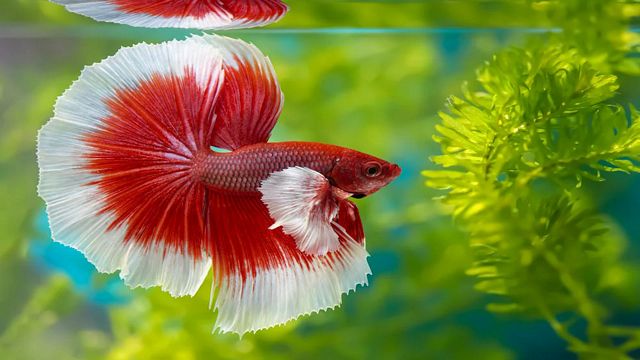
Walk into almost any pet store, and you’ll likely see rows of Betta fish displaying vibrant shades of red, blue, purple, white, yellow, and even metallic colors. Their long, flowing fins and unique tail shapes make them stand out from nearly every other freshwater fish.
Many aquarium enthusiasts call Bettas the “designer fish of the aquatic world” because of the incredible variety breeders have developed over the years. From crown tails and halfmoons to double tails and giant Bettas, the range of appearances seems almost endless.
Another reason for their popularity is their relatively simple care requirements. Bettas can adapt to a wide range of conditions and are generally easier to keep than many other tropical fish.
The Natural Betta Looks Very Different
The Bettas seen in aquariums today look dramatically different from their wild relatives.
Wild Betta fish typically have shorter fins and more subdued colors such as green, brown, and gray. These natural colors help them blend into their environment and avoid predators. However, when threatened or excited, wild Bettas can display surprisingly vivid colors.
Generations of selective breeding have created the brilliant shades commonly seen in pet stores today. As breeders continue focusing on visually striking fish, naturally colored Bettas have become increasingly rare in the aquarium trade.
A Fighter by Nature
The nickname “Siamese fighting fish” isn’t just for show.
Male Bettas are extremely territorial. When two males encounter each other in a confined space, they often flare their fins, spread their gill covers, and display aggressive behavior. If neither fish can escape, the conflict may become violent and sometimes fatal.
Female Bettas are generally less aggressive than males but can also become territorial, especially in crowded conditions.
This natural behavior developed in the wild, where fish compete for breeding territories and resources. In their natural habitat, however, dense vegetation allows weaker fish to retreat and avoid constant conflict.
Built to Survive Harsh Conditions
One of the most remarkable features of Betta fish is their ability to survive in environments that would challenge many other freshwater species.
Their secret lies in a specialized organ called the labyrinth organ. This unique structure functions somewhat like a lung, allowing Bettas to breathe oxygen directly from the air above the water’s surface.
Because of this adaptation, Bettas can survive in shallow, warm waters with very low oxygen levels. In fact, they frequently rise to the surface to take gulps of air.
This ability evolved because their natural habitats often experience extreme environmental conditions. Shallow ponds, rice paddies, marshes, and floodplains can become warm and oxygen-poor, especially during dry periods. The labyrinth organ gives Bettas a major survival advantage where other fish might struggle.
Life in the Wild
In nature, Betta fish are commonly found in shallow freshwater environments filled with aquatic plants. Rice fields, marshes, drainage ditches, floodplains, and slow-moving streams all provide suitable habitat.
The dense vegetation serves several important purposes. It offers protection from predators, creates hiding places for females and young fish, and helps reduce confrontations between territorial males.
Floating plants, fallen leaves, and water lilies are particularly important because they provide shelter near the water’s surface, where Bettas frequently breathe air.
Despite their reputation as hardy fish, wild Bettas do not live crowded together. Their natural population density is relatively low, allowing individuals to establish territories without constant conflict.
Thailand’s National Aquatic Animal
The Betta fish holds a special place in Thai culture and history.
Recognizing its cultural significance and international popularity, Thailand officially designated the Siamese fighting fish as the country’s national aquatic animal. Today, Thailand remains one of the world’s leading producers and exporters of Betta fish for the global aquarium market.
The fish has become both a symbol of national pride and an important contributor to the ornamental fish industry.
Threats Facing Wild Betta Populations
Ironically, while millions of Bettas thrive in aquariums around the world, their wild relatives face growing challenges.
Rapid urbanization, agricultural expansion, and industrial development have damaged many natural habitats across Southeast Asia. Chemical runoff from farms, pollution from cities, and contamination from wastewater systems all affect the waterways where Bettas live.
Researchers have found that some pollutants may interfere with Betta reproduction, reducing hatch rates and even altering parental behavior.
Habitat loss presents another serious problem. The expansion of agricultural plantations, including palm oil production in some regions, has reduced the availability of suitable wetland habitats.
As a result, the International Union for Conservation of Nature (IUCN) currently lists wild Betta splendens as a vulnerable species, meaning it faces a heightened risk of becoming endangered if current trends continue.
Conservation
Conservationists and breeders are increasingly working to protect both wild populations and the habitats they depend on. Public awareness about the species’ natural history is helping encourage responsible breeding, habitat preservation, and environmental protection.
More Than Just a Pet
For many aquarium owners, a Betta fish is simply a beautiful addition to a tank. But these remarkable fish represent much more than colorful fins and striking displays.
They are survivors that evolved to thrive in challenging environments, cultural icons with centuries of history, and living reminders of the incredible diversity found in Southeast Asia’s freshwater ecosystems.
The next time you watch a Betta glide gracefully through an aquarium, remember that behind its beauty is a fascinating story of adaptation, resilience, and a connection between nature and people that spans more than a thousand years.