June 01, 2026
Electricity is one of the most important discoveries in human history. It powers our homes, industries, hospitals, schools, transportation systems, and communication networks. Modern life would be unimaginable without electricity, yet many people use it every day without understanding how it is generated or where it comes from.
From lighting a bulb to charging a smartphone, every electrical device depends on a vast network of power generation and distribution systems. Understanding how electricity is discovered, produced, and delivered helps us appreciate one of humanity’s greatest technological achievements.
The Discovery of Electricity
Electricity was not invented by a single person. Instead, it was discovered gradually through centuries of scientific observations and experiments.
The earliest known observations of electricity date back to ancient Greece around 600 BC. Greek philosopher Thales of Miletus noticed that rubbing amber with fur attracted lightweight objects such as feathers and dust. This phenomenon was later identified as static electricity.
However, the modern understanding of electricity began much later. During the 17th and 18th centuries, scientists conducted experiments to understand electrical forces. One of the most famous figures associated with electricity is Benjamin Franklin, who performed his famous kite experiment in 1752. His work helped establish that lightning was a form of electricity.
In the late 18th century, Italian scientist Alessandro Volta invented the first electric battery, known as the Voltaic Pile. This invention provided a continuous source of electric current and marked a major breakthrough in electrical science.
During the 19th century, scientists such as Michael Faraday, André-Marie Ampère, Georg Ohm, and Nikola Tesla made significant contributions to understanding electricity and its practical applications. Faraday’s discovery of electromagnetic induction became the foundation of modern power generation.
What Is Electricity?
Electricity is the movement of tiny particles called electrons through a conductor, usually a metal wire. When electrons flow through a circuit, they carry energy from one place to another.
This flow of electrons can be used to power lights, motors, computers, appliances, and countless other devices. Electricity itself is a form of energy, and it can be generated from many different sources.
How Electricity Is Produced
Most electricity is produced through the principle of electromagnetic induction, discovered by Michael Faraday in 1831.
The process is relatively simple in concept. When a magnet moves near a coil of wire, it creates an electric current. Modern power stations use this principle on a much larger scale.
In most power plants, a turbine is rotated by a source of energy such as steam, water, wind, or gas. The turbine is connected to a generator that contains magnets and coils of wire. As the turbine spins, the generator converts mechanical energy into electrical energy.
This electricity is then transmitted through power lines and distributed to homes and businesses.
Thermal Power Plants
Thermal power plants are among the most common sources of electricity worldwide.
In a thermal power station, fuels such as coal, natural gas, or oil are burned to produce heat. This heat converts water into high-pressure steam. The steam spins a turbine connected to a generator, producing electricity.
Thermal power plants can generate large amounts of electricity and operate continuously. However, they also release carbon dioxide and other pollutants into the atmosphere, contributing to environmental concerns and climate change.
Hydroelectric Power
Hydroelectric power is generated using the energy of flowing or falling water.
Large dams are constructed across rivers to store water in reservoirs. When water is released through turbines, its force causes the turbines to spin. These turbines drive generators that produce electricity.
Hydroelectric power is considered a renewable source of energy because it relies on the natural water cycle. It produces very little air pollution and is one of the world’s largest sources of renewable electricity.
Solar Energy
Solar power has become one of the fastest-growing sources of electricity in recent years.
Solar panels contain photovoltaic cells that convert sunlight directly into electricity. When sunlight strikes these cells, electrons are released and generate an electric current.
Solar energy is clean, renewable, and increasingly affordable. However, electricity production depends on sunlight availability, making energy storage systems important for providing power during nighttime or cloudy conditions.
Wind Energy
Wind power uses the kinetic energy of moving air to generate electricity.
Wind turbines are equipped with large blades that rotate when wind passes over them. The rotating blades turn a shaft connected to a generator, producing electricity.
Wind energy is environmentally friendly and produces no direct emissions. Many countries are investing heavily in wind farms to reduce dependence on fossil fuels and increase renewable energy production.
Nuclear Power
Nuclear power plants generate electricity through nuclear fission.
In a nuclear reactor, atoms of uranium are split, releasing a tremendous amount of heat. This heat produces steam, which drives turbines connected to generators.
Nuclear power can generate large amounts of electricity with very low carbon emissions. However, concerns regarding radioactive waste management, safety, and plant construction costs remain important considerations.
Other Sources of Electricity
Several other sources also contribute to electricity generation around the world.
Biomass energy uses organic materials such as agricultural waste, wood, and plant matter to produce heat and electricity. Geothermal power utilizes heat from deep within the Earth to generate steam and drive turbines.
Ocean energy technologies, including tidal and wave power, harness the movement of seawater to generate electricity. Although these technologies are still developing, they have significant future potential.
How Electricity Reaches Our Homes
Generating electricity is only the first step. Once produced, electricity must be transported efficiently to consumers.
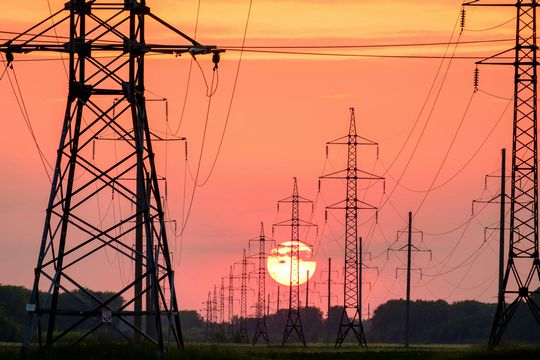
Power plants send electricity to substations, where transformers increase the voltage. High-voltage transmission lines then carry electricity over long distances with minimal energy loss.
As electricity approaches cities and towns, additional substations reduce the voltage to safer levels. Distribution lines deliver power to neighborhoods, businesses, factories, and homes.
Inside a home, electricity passes through the meter and electrical panel before being distributed to various outlets, switches, and appliances.
The Importance of Renewable Energy
As global energy demand continues to rise, renewable energy sources are becoming increasingly important.
Solar, wind, hydroelectric, and geothermal energy help reduce greenhouse gas emissions and decrease dependence on fossil fuels. Many governments are investing in renewable technologies to address climate change and ensure long-term energy security.
Advancements in battery storage, smart grids, and energy-efficient technologies are also making renewable electricity more reliable and accessible.
The Future of Electricity
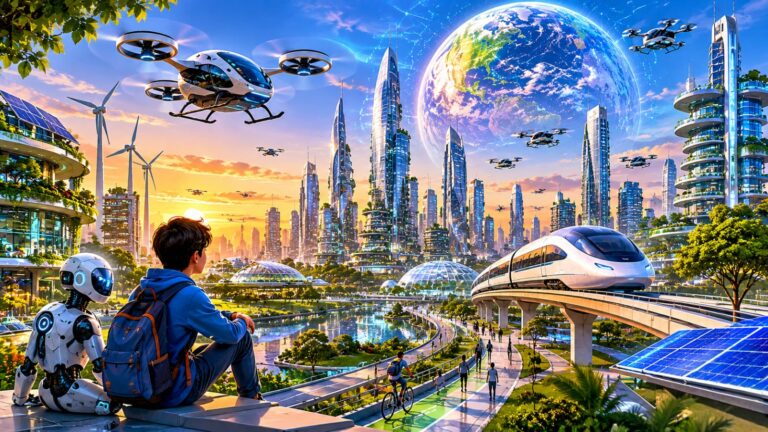
The future of electricity is likely to be cleaner, smarter, and more sustainable. Emerging technologies such as advanced batteries, hydrogen energy systems, smart grids, and improved renewable energy infrastructure are transforming how electricity is produced and consumed.
Electric vehicles, energy storage systems, and decentralized power generation are expected to play major roles in the coming decades. Scientists and engineers continue to develop innovative solutions that will improve efficiency and reduce environmental impact.