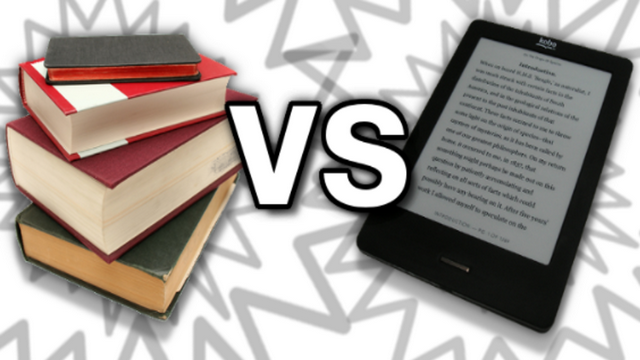
The debate between hard copies and soft copies of books has grown sharper in recent years as digital technology reshapes reading habits. While printed books continue to hold cultural and emotional significance, digital formats offer convenience and accessibility. Understanding the strengths and limitations of both formats can help readers adopt a balanced approach that maximizes learning, enjoyment, and practicality.
The Enduring Value of Hard Copies
Printed books have long been cherished for their tactile experience. The physical act of turning pages, the scent of paper, and the permanence of print create a sense of connection that digital formats often lack. Hard copies also reduce eye strain compared to prolonged screen exposure, making them ideal for long reading sessions.
Libraries, classrooms, and academic institutions continue to rely heavily on printed books. They provide a reliable reference that does not depend on electricity or internet connectivity. For collectors and enthusiasts, hard copies also carry sentimental and aesthetic value, often seen as timeless possessions.
Limitations of Printed Books
Despite their appeal, hard copies come with practical challenges. They require physical storage space, can be heavy to carry, and are vulnerable to wear and tear. Printing and distribution costs also make them more expensive than digital alternatives.
Accessibility is another concern. Readers in remote areas may struggle to obtain printed books, and students often face delays in receiving textbooks. In an increasingly mobile world, these limitations highlight the need for alternatives.
The Rise of Soft Copies
Soft copies—digital versions of books—have revolutionized reading. E-books and PDFs can be stored on smartphones, tablets, or e-readers, allowing readers to carry entire libraries in their pockets. This portability makes digital formats especially popular among students, professionals, and travelers.
Digital books also offer interactive features such as search functions, hyperlinks, and adjustable fonts. These tools enhance comprehension and make studying more efficient. For publishers, soft copies reduce printing costs and expand global reach instantly.
Challenges of Digital Reading
While convenient, soft copies are not without drawbacks. Extended screen time can cause eye fatigue, headaches, and reduced concentration. Dependence on devices and internet connectivity also limits access in certain situations.
Digital piracy remains a major issue, undermining authors and publishers. Additionally, many readers feel that digital formats lack the emotional depth and sensory experience of printed books, making them less engaging for leisure reading.
Environmental Considerations
The environmental impact of both formats is often debated. Printed books require paper, ink, and transportation, contributing to deforestation and carbon emissions. However, digital books rely on electronic devices that consume energy and generate e-waste.
A balanced perspective recognizes that neither format is entirely eco-friendly. Sustainable practices, such as recycling paper and responsibly disposing of electronic devices, can help reduce the environmental footprint of both.
Academic and Professional Use
In education, both formats play crucial roles. Printed textbooks remain essential for subjects requiring detailed diagrams or long-term reference. Digital formats, however, provide quick access to updated editions and supplementary materials.
Professionals often prefer soft copies for research and documentation, as they allow easy sharing and editing. Yet, printed books continue to dominate in fields where deep concentration and annotation are vital.
A Balanced Approach
The choice between hard copies and soft copies should not be viewed as mutually exclusive. Readers can benefit from combining both formats depending on context. Printed books are ideal for immersive reading, while digital versions excel in portability and quick reference.
For students, a hybrid approach—using printed textbooks for core study and digital resources for supplementary material—offers the best of both worlds. Casual readers may enjoy novels in print while relying on e-books for travel convenience.
Conclusion
Hard copies and soft copies of books each bring unique advantages and disadvantages. Printed books provide sensory satisfaction and reliability, while digital formats deliver convenience and accessibility. A balanced approach allows readers to enjoy the richness of print while embracing the efficiency of digital technology. In the evolving landscape of reading, both formats remain indispensable, complementing rather than replacing one another.