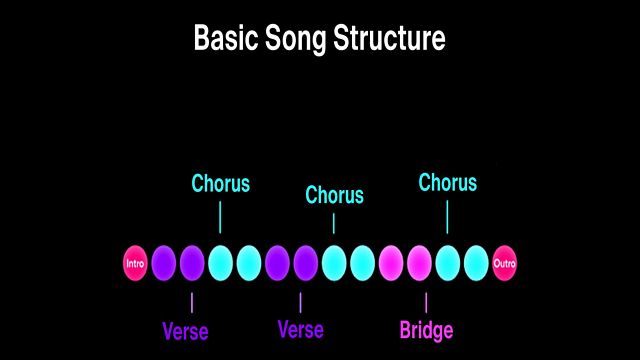
Every song, whether a timeless classical piece or a modern pop hit, follows a structure that guides its flow and emotional impact. Song structure is the framework that organizes melody, rhythm, and lyrics into a coherent form. Understanding the mechanics of song construction reveals why certain tunes resonate deeply with listeners and why others fade quickly from memory.
The Foundation of Song Structure
At its core, song structure refers to the arrangement of different sections within a composition. These sections—such as verses, choruses, and bridges—work together to create contrast, repetition, and progression. While genres vary widely, most songs rely on a balance between familiarity and surprise, ensuring that listeners remain engaged while anticipating what comes next.
The Verse: Setting the Scene
The verse is often the storytelling element of a song. It introduces themes, builds context, and develops the narrative. Verses typically change lyrically with each repetition, offering new details or perspectives while maintaining a consistent melody. This section lays the groundwork for the emotional journey, preparing listeners for the chorus.
The Chorus: Emotional Core of the Song
The chorus is the centerpiece of most songs, delivering the main message in a memorable and repetitive way. It often features heightened energy, stronger melodies, and lyrics that encapsulate the song’s theme. Because of its repetition, the chorus is usually the part audiences remember and sing along to, making it crucial for commercial success and emotional resonance.
The Bridge: Contrast and Transition
A bridge introduces contrast by breaking away from the established verse-chorus pattern. It may shift in melody, rhythm, or lyrical focus, offering a fresh perspective before returning to familiar sections. Bridges often heighten emotional intensity, creating anticipation for the final chorus or resolution. In many songs, the bridge serves as a turning point that deepens the listener’s connection.
The Pre-Chorus and Build-Up
Some songs include a pre-chorus, a short section that bridges the verse and chorus. This element builds tension and anticipation, often using rising melodies or rhythmic changes. By setting up the chorus, the pre-chorus enhances its impact, ensuring the transition feels powerful and satisfying.
The Coda and Outro
The coda, or outro, provides closure. It may repeat elements of the chorus, fade out gradually, or introduce a new melodic idea to signal the end. Codas ensure that songs conclude with a sense of completeness, leaving listeners with a lasting impression.
Variations Across Genres
Different genres employ song structure in unique ways. Pop music often follows a predictable verse-chorus-bridge format, while rock may emphasize instrumental solos. Jazz compositions frequently rely on improvisation within a loose framework, and classical pieces use complex forms such as sonata or rondo. Despite these variations, the principle of organizing musical ideas into coherent sections remains universal.
Why Structure Matters
Song structure is not merely technical—it shapes emotional impact. Repetition creates familiarity, while variation introduces excitement. A well-structured song guides listeners through tension and release, mirroring the rhythms of human experience. This balance explains why structured songs often achieve greater popularity and longevity.
Conclusion
Songs are more than melodies and lyrics; they are carefully constructed frameworks designed to engage, move, and inspire. From verses that tell stories to choruses that capture emotion, each element plays a vital role in shaping the listener’s journey. Understanding song structure not only enriches appreciation of music but also highlights the artistry behind every composition.