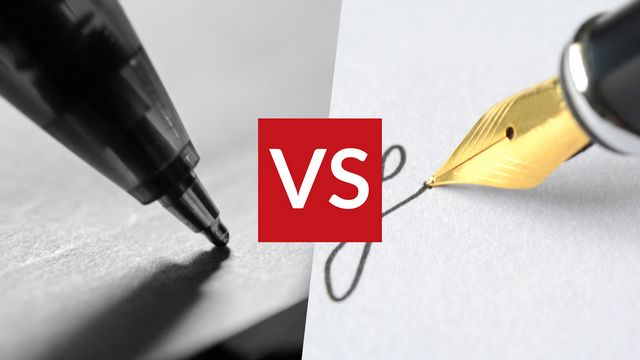
The debate between ink pens and ball pens extends beyond writing convenience into the realm of environmental sustainability. While ball pens dominate the global market due to affordability and ease of use, their disposable nature contributes significantly to plastic pollution. Ink pens, on the other hand, offer a reusable alternative that aligns with growing calls for eco-friendly practices. Understanding the mechanics and environmental impact of these writing tools highlights the importance of conscious consumer choices in reducing waste.
The Rise of Ball Pens
Ball pens became popular in the mid-20th century, revolutionizing writing with their smooth ink flow and low maintenance. Unlike fountain pens, ball pens required no refilling, making them practical for students, professionals, and everyday users. Their affordability and mass production cemented their place as the most widely used writing instrument worldwide.
However, the convenience of ball pens comes at a cost. Most are made of plastic and designed for single use. Once the ink runs out, the pen is discarded, adding to the growing problem of non-biodegradable waste. With billions of ball pens sold annually, their contribution to plastic pollution is substantial.
Ink Pens: A Reusable Alternative
Ink pens, particularly fountain pens, offer a sustainable alternative. Unlike ball pens, they are designed for long-term use. Users refill ink cartridges or reservoirs, reducing the need for constant replacements. This reusability significantly lowers plastic consumption and waste generation.
Beyond sustainability, ink pens are valued for their writing quality. They provide smoother strokes, encourage careful handwriting, and are often associated with professionalism and elegance. While they require more maintenance, their durability and eco-friendly design make them a viable choice for those seeking sustainable writing tools.
Plastic Pollution and Environmental Concerns
Plastic pollution has emerged as one of the most pressing global challenges. Single-use plastics, including disposable ball pens, contribute to landfill accumulation and ocean contamination. Studies estimate that millions of tons of plastic waste enter the environment annually, threatening ecosystems and human health.
Ball pens, though small in size, add up in volume. Their non-recyclable components—plastic bodies, metal tips, and ink residues—make them difficult to process in recycling systems. As a result, they often end up in landfills or incinerators, releasing harmful chemicals into the environment.
Economic and Social Dimensions
The widespread use of ball pens is driven by affordability. For students and low-income households, ball pens are accessible and practical. Ink pens, by contrast, are often more expensive upfront, creating barriers to adoption despite their long-term sustainability.
Educational institutions play a role in shaping writing habits. Schools that encourage reusable ink pens contribute to reducing plastic waste, while those that rely heavily on ball pens inadvertently promote disposable culture. Awareness campaigns and policy interventions could help shift consumer behavior toward sustainable alternatives.
Innovations in Eco-Friendly Writing Tools
In response to environmental concerns, manufacturers are exploring eco-friendly alternatives. Recyclable ball pens, biodegradable materials, and refillable designs are gaining traction. Some companies have introduced pens made from recycled paper, bamboo, or plant-based plastics, offering greener options without compromising convenience.
Ink pen manufacturers are also innovating, producing affordable refill systems and durable designs to appeal to wider audiences. These advancements reflect a growing recognition of the need to balance practicality with sustainability.
Cultural and Professional Preferences
Cultural perceptions influence pen choices. In many professional settings, ink pens symbolize sophistication and authority. Signing official documents with a fountain pen carries symbolic weight, reinforcing its association with tradition and prestige.
Ball pens, however, remain the everyday choice for quick notes, exams, and casual writing. Their portability and reliability make them indispensable despite environmental drawbacks. The challenge lies in balancing cultural preferences with ecological responsibility.
Conclusion
The debate between ink pens and ball pens underscores a broader conversation about sustainability and consumer responsibility. While ball pens offer convenience and affordability, their disposable nature contributes to plastic pollution. Ink pens, with their reusable design, present a more sustainable alternative that aligns with global efforts to reduce waste. As awareness grows, the choice of writing instruments may evolve from mere practicality to a conscious decision that reflects environmental values.