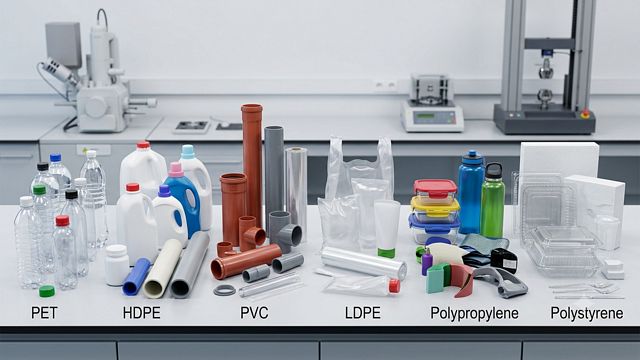
Plastic is one of the most widely used materials in the modern world. From water bottles and food containers to automobiles, electronics, medical equipment, and construction materials, plastics have become an essential part of daily life. Their popularity comes from their durability, flexibility, lightweight nature, and relatively low production cost.
However, many people think of plastic as a single material. In reality, there are many different types of plastics, each with unique properties and applications. Some plastics are designed for packaging, while others are strong enough for industrial machinery and aircraft components.
Understanding the different types of plastics helps us appreciate how modern products are designed and manufactured. It also helps consumers make informed decisions about recycling and environmental responsibility.
What Is Plastic?
Plastic is a synthetic material made primarily from polymers.
Polymers are long chains of repeating molecules.
Most modern plastics are produced from petroleum, natural gas, or other fossil fuel resources, although some newer plastics are made from renewable biological sources.
During manufacturing, these polymers can be molded into various shapes while heated and then hardened into durable products.
The versatility of plastics has made them one of the most important engineering materials ever developed.
Main Categories of Plastics
Plastics are generally divided into two major categories:
Thermoplastics
Thermoplastics soften when heated and harden when cooled.
This process can be repeated multiple times.
Because they can be remelted and reshaped, thermoplastics are often recyclable.
Most everyday plastic products belong to this category.
Thermosetting Plastics
Thermosetting plastics undergo a chemical change during manufacturing.
Once hardened, they cannot be melted and reshaped again.
These materials are often used where high heat resistance and structural strength are required.
Type 1: PET (Polyethylene Terephthalate)
PET is one of the most common plastics in the world.
It is lightweight, transparent, and strong.
Common uses include:
- Water bottles
- Soft drink bottles
- Food packaging
- Cooking oil containers
PET is highly recyclable and is widely accepted in recycling programs.
Recycled PET can be used to manufacture:
- Clothing fibers
- Carpets
- Packaging materials
- New bottles
Its excellent combination of strength and clarity makes it ideal for beverage packaging.
Type 2: HDPE (High-Density Polyethylene)
HDPE is known for its toughness and chemical resistance.
It is less transparent than PET but much stronger.
Common applications include:
- Milk containers
- Detergent bottles
- Water pipes
- Fuel tanks
- Recycling bins
HDPE is highly durable and resistant to moisture.
It is also one of the most commonly recycled plastics worldwide.
Type 3: PVC (Polyvinyl Chloride)
PVC is one of the most versatile plastic materials.
It can be manufactured as either a rigid or flexible material.
Common uses include:
- Water pipes
- Window frames
- Electrical cable insulation
- Flooring materials
- Medical tubing
PVC is valued for its durability and resistance to chemicals.
Because of its versatility, it is widely used in construction and healthcare industries.
Type 4: LDPE (Low-Density Polyethylene)
LDPE is softer and more flexible than HDPE.
It has excellent moisture resistance and flexibility.
Typical applications include:
- Plastic shopping bags
- Bread bags
- Squeeze bottles
- Packaging films
- Food wraps
Its flexibility makes it suitable for lightweight packaging materials.
Although recyclable, LDPE recycling programs are less common than those for PET and HDPE.
Type 5: PP (Polypropylene)
Polypropylene is one of the most versatile engineering plastics.
It is resistant to heat, chemicals, and fatigue.
Common products include:
- Food containers
- Yogurt cups
- Bottle caps
- Automotive components
- Medical devices
Because polypropylene can withstand higher temperatures, it is often used in microwave-safe containers.
Its strength and durability make it valuable in industrial applications.
Type 6: PS (Polystyrene)
Polystyrene exists in both rigid and foam forms.
The foam version is commonly known as Styrofoam.
Common uses include:
- Disposable cups
- Food trays
- Packaging materials
- Insulation products
- Laboratory equipment
Polystyrene is lightweight and inexpensive.
However, it is often criticized for environmental reasons because it can be difficult to recycle and may persist in the environment for long periods.
Type 7: Other Plastics
The “Other” category includes various specialized plastics.
Examples include:
- Polycarbonate
- Acrylic
- Nylon
- ABS (Acrylonitrile Butadiene Styrene)
These materials are often used in advanced applications such as:
- Electronics
- Safety equipment
- Automotive parts
- Aerospace components
- Medical devices
Many of these plastics possess exceptional strength, transparency, or heat resistance.
Engineering Plastics
Engineering plastics are designed for demanding industrial applications.
Compared with ordinary plastics, they offer:
- Greater strength
- Improved heat resistance
- Better durability
- Enhanced chemical resistance
Examples include:
- Nylon
- Polycarbonate
- PEEK
- Acetal
These materials are commonly used in:
- Aircraft components
- Industrial machinery
- Electrical systems
- Automotive engineering
Engineering plastics often replace metal components because they are lighter while maintaining excellent performance.
Bioplastics: The Future of Plastics
Growing environmental concerns have encouraged the development of bioplastics.
Bioplastics are derived from renewable sources such as:
- Corn starch
- Sugarcane
- Vegetable oils
Some bioplastics are biodegradable under specific conditions.
Although bioplastics currently represent a small portion of global plastic production, their importance continues to grow.
Researchers are actively developing more sustainable alternatives to traditional petroleum-based plastics.
Why Plastic Recycling Matters
Plastic provides many benefits, but improper disposal creates environmental challenges.
Recycling helps reduce:
- Landfill waste
- Resource consumption
- Energy usage
- Environmental pollution
Many plastic products display recycling symbols that identify their plastic type.
These codes help recycling facilities sort materials efficiently.
Understanding plastic types improves recycling effectiveness and promotes responsible consumption.
Advantages of Plastics
Plastics offer numerous advantages:
- Lightweight
- Durable
- Corrosion-resistant
- Affordable
- Easy to manufacture
- Versatile
These qualities explain why plastics are used in virtually every industry.
From healthcare and transportation to electronics and packaging, plastics play a critical role in modern society.
Challenges of Plastic Use
Despite their benefits, plastics also create challenges.
Issues include:
- Environmental pollution
- Ocean waste
- Wildlife impacts
- Difficult recycling processes
- Dependence on fossil fuels
Governments, industries, and researchers continue working on solutions that balance convenience with sustainability.
Conclusion
Plastics are far more diverse than many people realize. Materials such as PET, HDPE, PVC, LDPE, polypropylene, and polystyrene each possess unique properties that make them suitable for specific applications. These materials have transformed industries ranging from packaging and healthcare to transportation and electronics.
Understanding the different types of plastics helps consumers recognize recycling symbols, make informed purchasing decisions, and appreciate the science behind everyday products. As technology advances, newer materials such as engineering plastics and bioplastics are likely to play an increasingly important role in creating a more sustainable future while maintaining the benefits that plastics provide to modern life.