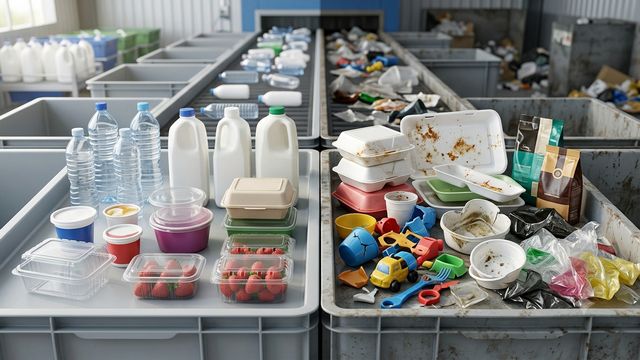
Plastic has become one of the most important materials in modern society. It is used in packaging, transportation, healthcare, electronics, construction, and countless household products. Its durability, flexibility, and low cost have made it indispensable in daily life.
However, not all plastics are the same. Some plastics are considered relatively safe and highly recyclable, while others may contain chemicals that raise environmental or health concerns. Understanding the differences between good plastics and bad plastics can help consumers make smarter choices for their health and the environment.
The small recycling number found on many plastic products provides valuable information about the type of plastic used. These numbers, usually ranging from 1 to 7, help identify which plastics are generally safer and which should be used with caution.
What Makes a Plastic “Good” or “Bad”?
When discussing plastics, the terms “good” and “bad” do not necessarily mean that one plastic is completely safe and another is completely dangerous.
Instead, experts often evaluate plastics based on:
- Food safety
- Chemical stability
- Recyclability
- Environmental impact
- Potential health risks
- Ease of disposal
Plastics that are stable, recyclable, and less likely to release harmful chemicals are generally viewed more favorably.
Good Plastic #1: PET (Polyethylene Terephthalate)
Recycling Code: 1
PET is commonly used for:
- Water bottles
- Soft drink bottles
- Food packaging
PET is lightweight, durable, and widely recyclable.
It is considered one of the safer plastics for single-use beverage containers.
Advantages include:
- High recyclability
- Lightweight design
- Low manufacturing cost
- Widespread recycling programs
However, PET bottles are generally not recommended for repeated long-term reuse because wear and heat exposure may affect their quality.
Overall, PET is considered one of the better plastics available today.
Good Plastic #2: HDPE (High-Density Polyethylene)
Recycling Code: 2
HDPE is widely regarded as one of the safest plastics.
It is commonly found in:
- Milk containers
- Water pipes
- Detergent bottles
- Household containers
Benefits include:
- Excellent chemical resistance
- High durability
- Strong recyclability
- Minimal chemical leaching
Because of these properties, HDPE is frequently used in products that come into contact with food and drinking water.
Many environmental experts consider HDPE one of the best plastic materials currently available.
Good Plastic #3: LDPE (Low-Density Polyethylene)
Recycling Code: 4
LDPE is commonly used for:
- Bread bags
- Food wraps
- Shopping bags
- Squeeze bottles
LDPE is flexible and relatively stable.
It generally does not release harmful chemicals under normal usage conditions.
Although recycling programs are less common than for PET and HDPE, LDPE is still considered relatively safe for everyday applications.
Good Plastic #4: Polypropylene (PP)
Recycling Code: 5
Polypropylene is often considered one of the safest plastics for food contact.
Common products include:
- Food containers
- Yogurt cups
- Medicine bottles
- Bottle caps
Advantages include:
- Heat resistance
- Chemical stability
- Durability
- Low risk of chemical leakage
Because it tolerates higher temperatures, polypropylene is frequently used in microwave-safe containers.
Many health experts recommend PP as one of the safest food-storage plastics.
Plastic That Requires Caution: PVC
Recycling Code: 3
PVC stands for Polyvinyl Chloride.
It is commonly used in:
- Plumbing pipes
- Cable insulation
- Flooring
- Construction materials
PVC is durable and versatile, but it raises certain concerns.
Manufacturing and disposal can release harmful substances.
Some PVC products may contain additives that are considered undesirable for food-contact applications.
While PVC plays an important role in construction and industry, it is often not considered ideal for food storage.
Plastic That Requires Caution: Polystyrene
Recycling Code: 6
Polystyrene is used in:
- Disposable cups
- Food containers
- Packaging materials
- Foam products
Polystyrene is lightweight and inexpensive.
However, concerns exist regarding a chemical called styrene.
Under certain conditions, small amounts may migrate into food or beverages.
Environmental concerns are also significant because polystyrene can persist in nature for a very long time.
Many cities and countries have introduced restrictions on some polystyrene products.
The Mixed Category: Other Plastics
Recycling Code: 7
This category includes various plastic materials such as:
- Polycarbonate
- Acrylic
- Nylon
- Specialized engineering plastics
Some older polycarbonate products contained BPA (Bisphenol A), a chemical that attracted significant health concerns.
Many manufacturers now produce BPA-free alternatives.
Because Category 7 includes many different plastics, safety can vary widely.
Consumers should examine product information carefully when using these materials for food or beverage storage.
Environmental Impact of Different Plastics
The environmental effects of plastics depend on several factors:
- Recycling rate
- Product lifespan
- Disposal methods
- Manufacturing processes
Generally, PET, HDPE, LDPE, and PP are easier to recycle and manage responsibly.
PVC, polystyrene, and some mixed plastics are often more difficult to recycle.
Improving recycling systems remains one of the most important goals for reducing plastic pollution worldwide.
How to Identify Safe Plastics
Consumers can often identify plastics by checking the recycling symbol.
Look for numbers inside the recycling triangle.
Generally:
Safer choices:
- #1 PET
- #2 HDPE
- #4 LDPE
- #5 PP
Use caution:
- #3 PVC
- #6 Polystyrene
- #7 Other plastics
These guidelines provide a simple way to make more informed purchasing decisions.
Are All Plastics Harmful?
No.
Plastics have contributed enormously to modern life.
They help create:
- Medical equipment
- Clean water systems
- Lightweight vehicles
- Food preservation systems
- Safety devices
The challenge lies in using plastics responsibly and selecting the most appropriate materials for specific applications.
Many modern plastics are designed to meet strict safety standards.
Problems typically arise from improper disposal, excessive single-use consumption, or certain chemical additives.
The Future of Safer Plastics
Scientists and manufacturers are actively developing improved materials.
Emerging solutions include:
- Bioplastics
- Plant-based polymers
- Fully recyclable materials
- Compostable packaging
The goal is to retain the benefits of plastics while reducing environmental impact.
Future materials may combine safety, durability, affordability, and sustainability more effectively than current options.
Conclusion
Not all plastics are created equal. Plastics such as PET, HDPE, LDPE, and polypropylene are generally considered safer and more environmentally manageable due to their stability and recyclability. On the other hand, PVC, polystyrene, and certain mixed plastics may raise greater concerns related to recycling challenges, environmental impact, or chemical additives.
Understanding recycling codes and choosing appropriate plastic products can help consumers make healthier and more environmentally responsible decisions. As technology continues advancing, safer and more sustainable plastic alternatives are likely to become increasingly common, helping society enjoy the benefits of plastics while reducing their negative effects on people and the planet.