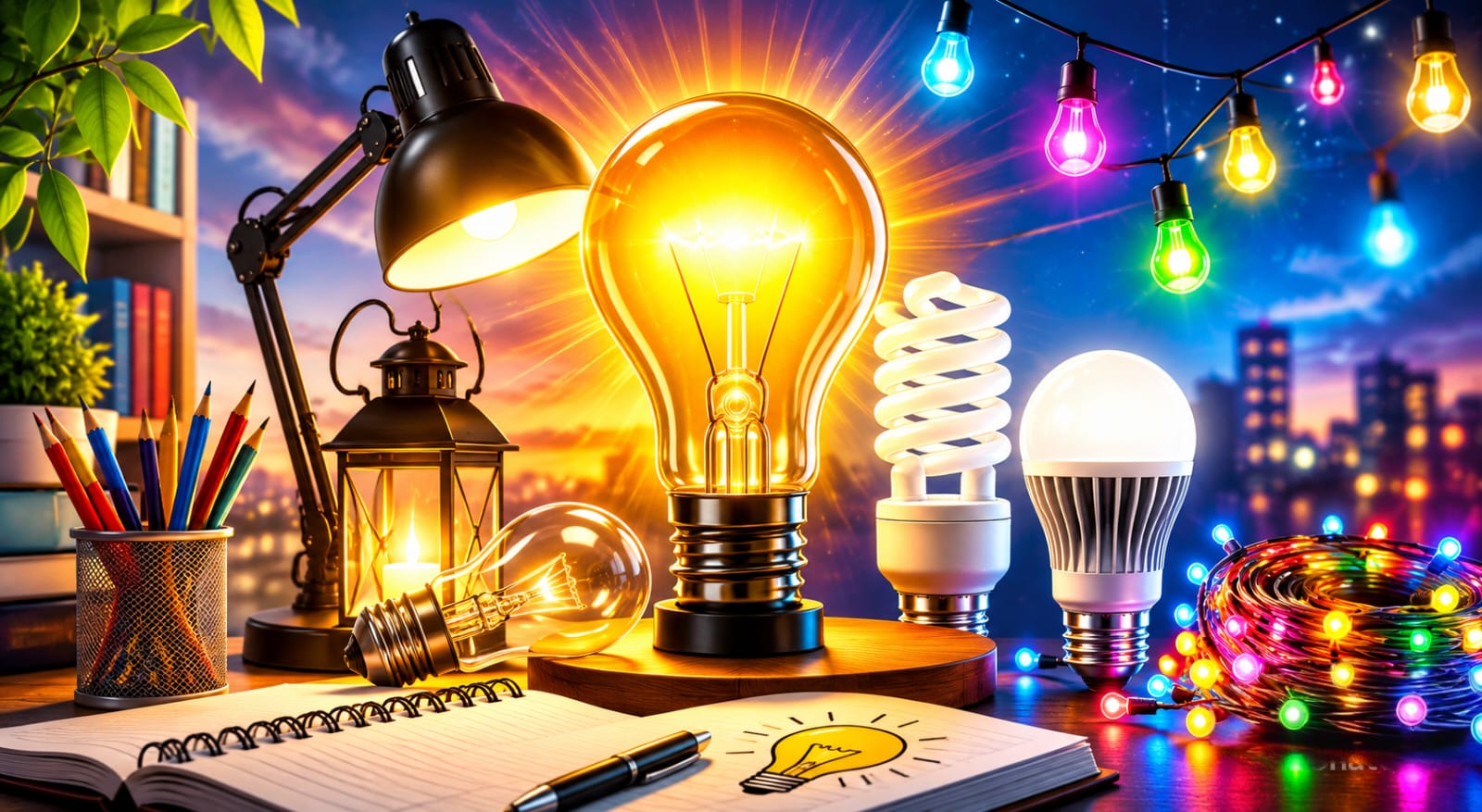
Light is one of the most important elements of our daily lives. It helps us see, work, travel, and enjoy our surroundings. Beyond its practical purpose, lighting also has the power to influence emotions, enhance beauty, and transform ordinary spaces into extraordinary ones. From a simple bedside lamp to dazzling decorative lights during festivals, lighting combines creativity and technology in remarkable ways. This blend of aesthetics and functionality is what makes lighting both an art and a science.
The Importance of Light in Human Life
Since ancient times, humans have relied on light for survival. Early civilizations used fire, candles, and oil lamps to illuminate their surroundings after sunset. Today, advanced lighting technologies provide safer, brighter, and more efficient ways to light homes, offices, streets, and public spaces.
Without adequate lighting, many activities would become difficult or impossible. Light improves visibility, increases safety, and supports productivity. It also plays a vital role in maintaining our daily routines and overall well-being.
Lighting as an Art
Lighting is often considered an art because it can dramatically affect the appearance and atmosphere of a space. Designers carefully choose lighting styles, colors, and placement to create specific moods and visual effects.
Warm lighting can make a room feel cozy and welcoming, while bright white lighting can create a clean and energetic environment. Decorative lamps, chandeliers, wall lights, and serial bulbs add beauty and character to homes, hotels, and public spaces.
Artists, photographers, and filmmakers also use lighting creatively. By controlling shadows, brightness, and color, they can highlight important subjects, create emotions, and tell compelling stories.
The Science Behind Lighting
While lighting can be artistic, it is also based on scientific principles. Light is a form of energy that travels in waves. Scientists study how light behaves, how it interacts with objects, and how the human eye perceives it.
Modern lighting systems are designed using scientific knowledge to maximize efficiency and performance. Factors such as brightness, color temperature, energy consumption, and light distribution are carefully considered when developing lighting solutions.
Understanding the science of light helps engineers create products that provide better illumination while using less energy.
Different Types of Lighting
Lighting serves different purposes depending on where and how it is used. Generally, lighting can be divided into three main categories.
Ambient Lighting
Ambient lighting provides overall illumination for a space. Ceiling lights, chandeliers, and large lamps often serve this purpose. It ensures that people can move around comfortably and safely.
Task Lighting
Task lighting is designed for specific activities such as reading, cooking, studying, or working. Desk lamps and under-cabinet kitchen lights are common examples.
Accent Lighting
Accent lighting highlights particular features such as artwork, architectural details, or decorative objects. It adds depth and visual interest to a room.
A well-designed space often combines all three types of lighting to achieve both functionality and beauty.
The Rise of LED Technology
One of the most significant advancements in lighting has been the development of LED technology. LED lights consume less energy, last longer, and produce less heat compared to traditional incandescent bulbs.
Because of their efficiency and versatility, LEDs are now widely used in homes, businesses, vehicles, and public infrastructure. They are available in various colors, brightness levels, and designs, making them suitable for both practical and decorative applications.
LED technology has revolutionized the lighting industry by reducing energy costs and environmental impact.
Decorative Lighting and Celebrations
Lighting plays a major role in celebrations and cultural events around the world. Festivals, weddings, concerts, and public celebrations often feature colorful lighting displays that create excitement and joy.
Serial bulbs, fairy lights, lanterns, and illuminated decorations transform streets, homes, and buildings into vibrant attractions. These decorative lights symbolize happiness, unity, and celebration.
The ability of lighting to enhance festive experiences demonstrates its emotional and cultural significance beyond its practical function.
The Impact of Lighting on Mood and Health
Lighting can have a powerful effect on human emotions and health. Bright natural light helps regulate sleep patterns, improve concentration, and boost mood. Poor lighting, on the other hand, can cause eye strain, fatigue, and discomfort.
Researchers have found that different colors and intensities of light can influence emotions and behavior. Soft, warm lighting often promotes relaxation, while brighter lighting encourages alertness and productivity.
As a result, architects and designers carefully consider lighting when creating comfortable living and working environments.
Sustainable Lighting for the Future
As concerns about energy consumption and climate change grow, sustainable lighting has become increasingly important. Energy-efficient technologies such as LEDs help reduce electricity usage and lower carbon emissions.
Smart lighting systems further improve efficiency by automatically adjusting brightness based on occupancy, time of day, or natural light levels. These innovations contribute to environmental conservation while reducing costs for consumers.
The future of lighting is expected to become even smarter, greener, and more adaptable to human needs.
Conclusion
The world of lighting is a fascinating combination of art and science. It illuminates our surroundings, enhances beauty, improves safety, and influences our emotions. From ancient oil lamps to modern LED systems, lighting has continuously evolved to meet the changing needs of society. Whether used for practical purposes, artistic expression, or festive celebrations, beautiful lighting enriches our lives in countless ways. As technology continues to advance, lighting will remain an essential part of creating brighter, more comfortable, and more sustainable environments for future generations.