In a world where speed is often celebrated, some of nature’s most remarkable organisms thrive by growing slowly. While many plants race to reach sunlight, spread seeds, and establish themselves quickly, others take a completely different approach. Slow-growing plants invest their energy carefully, developing strong structures, conserving resources, and surviving in challenging environments.
These plants can take years or even decades to reach maturity, but their patience often rewards them with exceptional longevity, resilience, and beauty. From ancient desert succulents to majestic trees that live for centuries, slow-growing plants demonstrate that success in nature does not always depend on rapid growth.
Understanding why some plants grow slowly provides fascinating insights into evolution, ecology, and survival strategies.
What Are Slow-Growing Plants?
Slow-growing plants are species that increase in size at a much lower rate than average plants.
While a fast-growing tree may add several feet of height each year, a slow-growing species might grow only a few inches annually. Similarly, some succulents and shrubs may take years to reach sizes that other plants achieve within a single growing season.
Growth rates vary depending on species, climate, soil conditions, water availability, and sunlight exposure. However, certain plants are naturally adapted to slow development regardless of their environment.
Their growth strategy is not a weakness. Instead, it is often a highly successful adaptation to specific ecological conditions.
Why Do Some Plants Grow Slowly?
Plants require energy to grow. They obtain this energy through photosynthesis, a process that converts sunlight into chemical energy.
Fast-growing plants typically invest much of their energy into producing new stems, leaves, and roots. Slow-growing plants, on the other hand, often allocate resources toward durability, defense, and long-term survival.
Many slow-growing species evolved in environments where water, nutrients, or sunlight are limited.
Because resources are scarce, rapid growth could be risky. Instead, these plants grow conservatively, ensuring that they can survive difficult periods such as droughts, cold winters, or poor soil conditions.
This strategy often allows them to live much longer than fast-growing species.
The Advantages of Slow Growth
At first glance, growing slowly might seem disadvantageous.
However, slow growth provides several important benefits.
One major advantage is longevity. Many slow-growing plants live for decades, centuries, or even thousands of years.
Another advantage is strength. Because growth occurs gradually, tissues often become denser and more durable.
Slow-growing plants also tend to require less maintenance. Their reduced growth means less pruning, lower nutrient demands, and greater resistance to environmental stress.
In many cases, patience contributes directly to survival.
Ancient Trees: Giants Built Over Time
Some of the world’s most famous trees are slow growers.
Many ancient tree species take decades to reach maturity. Certain pines, cypresses, and other long-lived trees grow slowly but can survive for centuries.
These trees often develop dense wood that resists insects, disease, and harsh weather conditions.
In mountainous or arid regions, slow growth allows trees to conserve resources and withstand environmental challenges.
The result is remarkable longevity. Some ancient trees alive today began growing long before modern civilizations existed.
Their survival demonstrates the effectiveness of slow and steady development.
Desert Plants and Water Conservation
Deserts are home to many slow-growing plants.
Water is extremely limited in these environments, making rapid growth difficult and potentially dangerous.
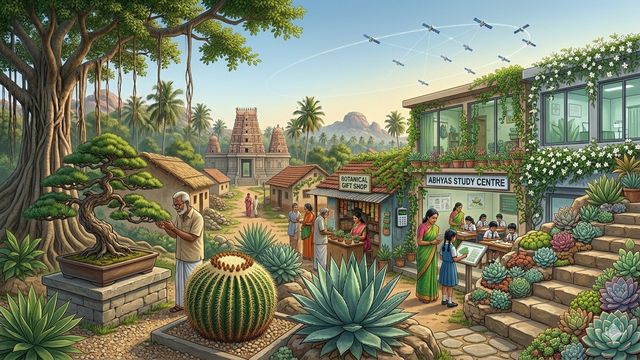
Succulents and cacti often grow slowly because they prioritize water storage over expansion.
Rather than producing large amounts of new growth each year, these plants conserve moisture and protect themselves from dehydration.
Many desert plants have thick leaves, waxy coatings, or specialized root systems that help them survive long periods without rainfall.
Slow growth is a key part of their survival strategy.
Bonsai and the Art of Controlled Growth
One of the most famous examples of slow-growing plants is found in bonsai cultivation.
Bonsai is the practice of growing miniature trees through careful pruning and root management.
Although many bonsai species are naturally slow-growing, human cultivation further controls their development.
Some bonsai trees are maintained for generations and become living works of art.
The appeal of bonsai lies partly in its celebration of patience. Owners may spend decades shaping and caring for a single tree.
This relationship highlights the beauty of gradual growth and long-term commitment.
Popular Slow-Growing Garden Plants
Many gardeners intentionally choose slow-growing plants.
These species often provide attractive foliage, flowers, or structure without requiring constant maintenance.
Examples include:
- Certain evergreen shrubs
- Dwarf conifers
- Some palm species
- Jade plants
- Aloe varieties
- Boxwood shrubs
Because these plants grow gradually, they maintain their shape longer and require less frequent trimming.
This makes them popular in landscaping projects where long-term appearance is important.
Challenges of Growing Slow-Growing Plants
While slow-growing plants offer many advantages, they also present challenges.
The most obvious challenge is patience.
Gardeners and landscapers may need to wait years before seeing significant growth.
Young plants can also be vulnerable because they spend extended periods at smaller sizes.
In commercial horticulture, slow growth can increase production costs because plants occupy nursery space for longer periods before reaching market size.
These factors sometimes make slow-growing species more expensive than fast-growing alternatives.
Nevertheless, many people consider them worthwhile investments.
Environmental Importance
Slow-growing plants often play important ecological roles.
Ancient trees provide habitat for birds, insects, fungi, and other wildlife.
Desert succulents support specialized ecosystems adapted to harsh environments.
Long-lived plants also contribute to carbon storage by retaining carbon in their tissues for extended periods.
Because they remain part of ecosystems for many years, they can help stabilize soils, regulate local climates, and support biodiversity.
Protecting these species is therefore important not only for their beauty but also for environmental health.
Lessons from Slow-Growing Plants
Slow-growing plants offer valuable lessons about resilience and sustainability.
They demonstrate that success does not always require rapid expansion. Instead, careful resource management, adaptability, and long-term planning can be equally effective strategies.
In nature, there are many paths to survival.
Some plants flourish through rapid growth and short life cycles. Others thrive through patience and endurance.
Both approaches have advantages, but slow-growing species remind us that lasting success often takes time.
Their gradual development reflects a balance between growth and stability that has allowed them to survive changing climates, environmental challenges, and the passage of centuries.
Conclusion
Slow-growing plants are among the most fascinating organisms in the natural world. Whether they are ancient trees standing for centuries, desert succulents conserving precious water, or carefully cultivated bonsai cherished across generations, these plants demonstrate the power of patience.
Their growth may be measured in inches rather than feet, but their impact is often immense. By prioritizing durability, resource conservation, and long-term survival, slow-growing plants have evolved strategies that allow them to flourish in some of the world’s most challenging environments.
In an age that often values speed, these remarkable plants remind us that nature frequently rewards persistence, resilience, and steady progress. Sometimes, the strongest growth is the growth that happens slowly.