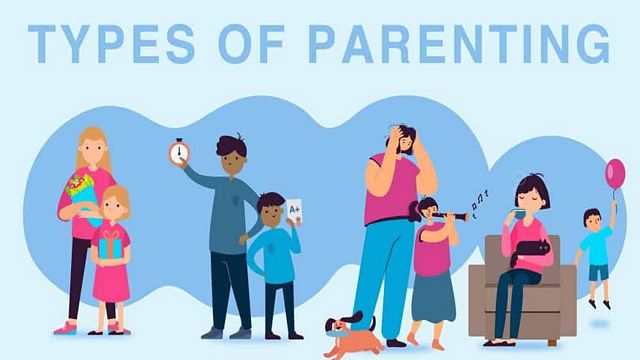
Parenting styles shape children’s emotional, social, and academic development, and in India, cultural traditions and modern pressures often influence how parents adopt these approaches. Parenting is a universal responsibility, yet the methods vary across cultures. In India, particularly Tamil Nadu, parenting styles are influenced by tradition, family expectations, and modern educational demands. The Sprouts video outlines five major parenting styles—authoritarian, permissive, authoritative, neglectful, and over-involved—each with distinct effects on children. Understanding these styles in the Indian context helps highlight how families can balance discipline, affection, and independence.
Authoritarian Parenting in Indian Families
Authoritarian parenting emphasizes strict rules, obedience, and discipline. In Tamil Nadu, this style is often seen in households where respect for elders and adherence to cultural norms are paramount. While it instills discipline, excessive rigidity can limit creativity and self-expression. Children raised under authoritarian parents may excel academically but struggle with decision-making and confidence.
Permissive Parenting and Its Risks
Permissive parents are indulgent, offering freedom with minimal boundaries. In India, this style is less common but is emerging in urban centers where parents prioritize happiness over discipline. While permissive parenting fosters creativity, it can lead to poor academic performance and lack of responsibility. In Tamil Nadu’s competitive educational environment, permissive parenting often clashes with societal expectations of achievement.
Authoritative Parenting: A Balanced Approach
Authoritative parenting combines discipline with warmth, encouraging independence while maintaining clear boundaries. Research consistently shows this style produces the most positive outcomes. In Tamil Nadu, authoritative parents often balance traditional values with modern educational practices, guiding children with empathy while setting realistic expectations. This approach nurtures confidence, resilience, and strong social skills.
Neglectful Parenting and Its Consequences
Neglectful parenting, marked by lack of involvement, is rare but damaging. In India, economic pressures or social challenges sometimes lead to neglect, particularly in marginalized communities. Children raised in such environments often face emotional insecurity, poor academic outcomes, and difficulty forming healthy relationships. Addressing neglect requires community support and awareness programs.
Over-Involved Parenting in Modern India
Over-involved parenting, also known as helicopter or snowplow parenting, is increasingly visible in Tamil Nadu’s urban middle class. Parents closely monitor academics, extracurriculars, and social life, often leaving little room for independence. While this ensures safety and achievement, it can create stress and dependency. In India’s competitive environment, over-involvement risks stifling creativity and resilience.
Cultural Influences on Parenting in Tamil Nadu
Tamil Nadu’s parenting styles are deeply shaped by cultural traditions, respect for elders, and emphasis on education. Joint family systems often reinforce authoritarian or authoritative approaches, while urban nuclear families experiment with permissive or over-involved styles. Religious values, societal expectations, and economic conditions further influence how parents raise their children.
Conclusion
Parenting styles in India reflect a blend of tradition and modernity. While authoritarian and over-involved approaches remain common, authoritative parenting offers the healthiest balance for children’s growth. In Tamil Nadu, where education and cultural values hold strong influence, adopting a nurturing yet disciplined style can help children thrive academically and emotionally.