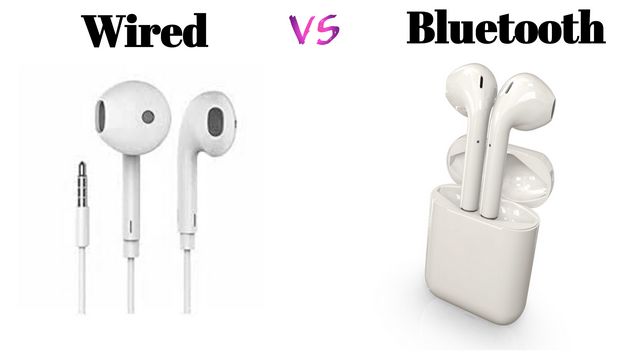
The debate between wired headphones and Bluetooth headphones has intensified in recent years as technology advances and consumer habits evolve. While wired headphones have long been the standard for audio clarity and reliability, Bluetooth headphones have surged in popularity due to convenience, portability, and integration with modern devices. This article examines the strengths and weaknesses of both options, highlighting how preferences are shifting in today’s fast-paced digital world.
The Enduring Appeal of Wired Headphones
For decades, wired headphones have been the benchmark for audio quality. Audiophiles and professionals often prefer them because they deliver consistent sound without interference or compression. Wired models are also less prone to connectivity issues, making them reliable for studio work, gaming, and critical listening.
Another advantage lies in their affordability. Wired headphones generally cost less than Bluetooth alternatives, making them accessible to a wider audience. They also do not require charging, which appeals to users who prioritize uninterrupted listening. Despite the rise of wireless technology, wired headphones remain a trusted choice for those who value stability and precision.
The Rise of Bluetooth Headphones
Bluetooth headphones have transformed the way people consume audio. Their wireless design offers unmatched convenience, allowing users to move freely without being tethered to a device. This feature has made them particularly popular among commuters, fitness enthusiasts, and professionals who multitask throughout the day.
Advancements in Bluetooth technology have also improved sound quality, reducing latency and enhancing clarity. Many modern models include noise cancellation, touch controls, and seamless integration with smartphones and laptops. As more devices eliminate headphone jacks, Bluetooth headphones have become the default option for millions of users worldwide.
Comparing Sound Quality
Sound quality remains a central point in the wired versus Bluetooth debate. Wired headphones typically provide richer audio with minimal distortion, making them ideal for music producers and serious listeners. Bluetooth headphones, while improving steadily, still rely on compression that can affect fidelity.
However, premium wireless models now rival wired options, offering high-resolution audio and adaptive sound features. The gap between the two is narrowing, but purists often argue that wired headphones still hold the edge in professional environments.
Convenience and Lifestyle Integration
Bluetooth headphones excel in convenience. With features like quick pairing, voice assistant compatibility, and long battery life, they fit seamlessly into modern lifestyles. Many users appreciate the ability to switch between devices effortlessly, whether attending virtual meetings or streaming music on the go.
Wired headphones, while dependable, lack this flexibility. Their reliance on physical connections can be limiting, especially as smartphones and laptops increasingly favor wireless solutions. For younger generations accustomed to mobility, Bluetooth headphones often feel more aligned with daily routines.
Cost and Accessibility
Price plays a significant role in consumer decisions. Wired headphones are generally more affordable, offering decent quality at lower costs. This makes them attractive to students, budget-conscious buyers, and those who prioritize function over features.
Bluetooth headphones, on the other hand, tend to be more expensive due to added technology. While entry-level models are available, premium versions with advanced features can be costly. Despite this, many consumers are willing to invest in wireless convenience, viewing it as a long-term upgrade.
Battery Life and Reliability
One of the biggest drawbacks of Bluetooth headphones is battery dependency. Users must recharge them regularly, and battery degradation over time can affect performance. Wired headphones avoid this issue entirely, offering consistent use without interruptions.
That said, modern Bluetooth models now boast impressive battery life, with some lasting over 30 hours on a single charge. Fast-charging capabilities further reduce inconvenience, making battery concerns less significant than in earlier generations.
Market Trends and Consumer Preferences
Recent market trends show a clear shift toward Bluetooth headphones. Global sales of wireless models have outpaced wired alternatives, driven by smartphone manufacturers phasing out headphone jacks and the growing demand for mobility.
Yet, wired headphones continue to hold a niche market among professionals, gamers, and audiophiles. Their resilience demonstrates that while wireless technology dominates mainstream use, wired options remain relevant for specialized needs.
Conclusion
The choice between wired and Bluetooth headphones ultimately depends on individual priorities. Wired headphones offer unmatched reliability and sound quality at affordable prices, while Bluetooth headphones provide convenience, portability, and advanced features suited to modern lifestyles. As technology evolves, the gap between the two continues to narrow, but both remain integral to the audio landscape.