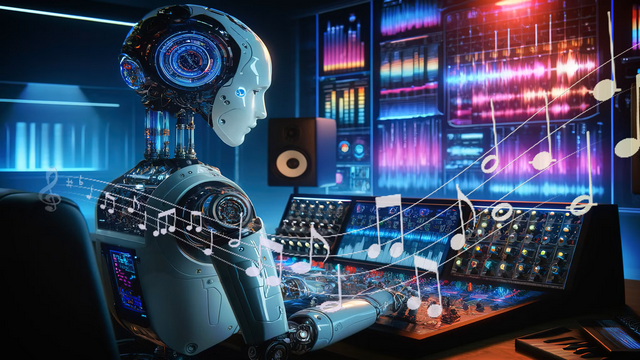
Artificial Intelligence (AI) has infiltrated nearly every sector of modern life, and the music industry is no exception. In recent years, AI-produced music has emerged as a powerful force, reshaping how songs are composed, performed, and consumed. While some hail this technological advancement as a revolution in creativity, others view it as a challenge to traditional artistry and cultural authenticity. The contemporary period marks a turning point where human expression and machine-generated sound increasingly coexist.
AI-generated music is built on algorithms capable of analyzing vast datasets of existing compositions. By learning patterns of rhythm, melody, and harmony, AI systems can produce original tracks that mimic human creativity. Platforms such as OpenAI’s Jukebox and Google’s Magenta have demonstrated the ability to generate music across genres, from classical symphonies to pop hits. This technological leap has made music production faster, more accessible, and less dependent on traditional training.
Redefining Creativity
The infiltration of AI into music raises fundamental questions about creativity. Traditionally, music has been seen as a deeply human art form, reflecting emotions, experiences, and cultural heritage. AI challenges this notion by producing compositions without human emotion or lived experience. Supporters argue that AI expands creative possibilities, offering new sounds and combinations beyond human imagination. Critics, however, warn that machine-generated music risks diluting the emotional depth and authenticity that define artistic expression.
Impact on the Music Industry
AI-produced music has disrupted industry practices, particularly in areas such as background scores, advertising jingles, and streaming playlists. Companies increasingly rely on AI to generate cost-effective tracks tailored to specific audiences. This trend reduces reliance on human composers for routine projects, raising concerns about job security in the creative sector. At the same time, AI tools empower independent artists by providing affordable production resources, democratizing access to music creation.
Cultural Identity and Authenticity
Music is not only entertainment but also a reflection of cultural identity. AI’s growing role in composition raises questions about authenticity and preservation of tradition. For example, folk and classical music forms rooted in cultural heritage may lose their distinctiveness if replicated by algorithms. Scholars argue that while AI can imitate styles, it cannot replicate the cultural context and emotional resonance embedded in traditional music. This tension highlights the need to balance technological innovation with cultural preservation.
Collaboration Between Humans and AI
Rather than replacing human musicians, AI is increasingly seen as a collaborator. Artists experiment with AI-generated melodies, integrating them into their compositions to create hybrid works. This collaboration allows musicians to explore new creative directions while retaining human emotion and storytelling. The fusion of human artistry and machine intelligence represents a new frontier in contemporary music, where boundaries between creator and tool blur.
Ethical and Legal Concerns
The infiltration of AI-produced music also raises ethical and legal challenges. Questions of copyright and ownership remain unresolved, as AI-generated tracks often draw from existing compositions. Determining who owns the rights—the programmer, the user, or the AI system—remains a contentious issue. Additionally, concerns about originality and plagiarism persist, as AI may inadvertently reproduce elements of copyrighted works. Policymakers and industry leaders are working to establish frameworks that address these complexities.
Audience Reception and Market Trends
Listeners’ reception of AI-produced music varies widely. Some audiences embrace the novelty, enjoying the unique sounds and experimental genres AI can create. Others remain skeptical, preferring the emotional depth of human-composed music. Streaming platforms have begun to feature AI-generated playlists, signaling a shift in market trends. The growing presence of AI music suggests that consumer preferences will play a decisive role in shaping its future.
Future Prospects of AI in Music
As technology advances, AI’s role in music is expected to expand further. Emerging innovations include real-time composition, personalized soundtracks, and adaptive music for gaming and virtual reality. These developments promise to transform how audiences experience music, making it more interactive and immersive. However, the challenge lies in ensuring that AI complements rather than overshadows human creativity, preserving the essence of music as a cultural and emotional expression.
Conclusion
The infiltration of AI-produced music in the contemporary period represents both opportunity and challenge. While AI offers new creative possibilities and democratizes access to music production, it also raises concerns about authenticity, cultural identity, and industry disruption. The future of music will likely be defined by collaboration between humans and machines, where technology enhances rather than replaces artistic expression. As society navigates this transformation, the balance between innovation and tradition will determine the true impact of AI on the world of music.