June 08, 2026
Few things are more frustrating than a sudden power cut. One moment the lights are on, appliances are running, and life is moving normally. The next moment, everything stops. Whether it lasts a few minutes or several hours, a power outage can disrupt homes, businesses, schools, hospitals, and entire communities.
Although many people experience power cuts from time to time, few understand why they happen. Some outages occur unexpectedly due to technical faults, while others are planned in advance to maintain and improve the electricity network. Understanding the reasons behind power cuts helps explain why electricity providers sometimes have no choice but to temporarily interrupt the power supply.
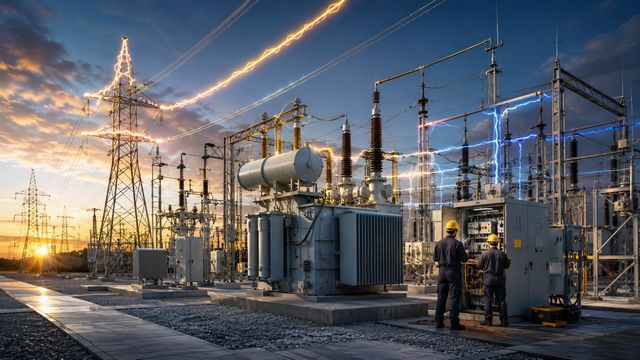
Electricity is one of the most complex services that modern society depends on. Delivering power from generating stations to millions of homes and businesses requires a vast network of equipment, transmission lines, substations, transformers, and control systems. When any part of this network experiences a problem, power interruptions can occur.
How Electricity Reaches Your Home
Before understanding power cuts, it is useful to know how electricity reaches consumers.
Electricity is generated at power plants using various energy sources such as coal, natural gas, hydroelectric power, wind, solar energy, and nuclear energy. Once generated, electricity travels through high-voltage transmission lines across long distances.
The power then reaches substations, where voltage levels are adjusted before being distributed through local networks. Transformers further reduce the voltage to safe levels suitable for homes and businesses.
This entire system operates continuously, delivering electricity every second of the day. Because the network is so extensive, even a small issue can affect thousands of consumers.
Planned Maintenance and Repairs
One of the most common reasons for power cuts is scheduled maintenance.
Electricity infrastructure requires regular inspections, repairs, and upgrades to ensure reliability and safety. Utility companies often perform maintenance on substations, transformers, transmission lines, and distribution equipment.
During these activities, electricity may need to be temporarily disconnected to protect workers and prevent accidents.
Although planned outages can be inconvenient, they help reduce the likelihood of larger failures in the future. Maintenance ensures that aging equipment continues to operate efficiently and safely.
Most utility providers announce scheduled shutdowns in advance so that consumers can prepare.
Equipment Failures
Like any machine, electrical equipment can fail.
Transformers, circuit breakers, cables, and other components experience wear and tear over time. Extreme temperatures, aging infrastructure, and heavy usage can increase the risk of failure.
When critical equipment stops working, utility companies may disconnect power while repairs are carried out.
Equipment failures are often unpredictable and can occur without warning. In some cases, replacing damaged components may take several hours, especially if specialized parts are required.
This is one reason why unexpected power cuts sometimes last longer than anticipated.
Weather-Related Problems
Weather is one of the leading causes of power outages worldwide.
Strong winds can damage power lines, heavy rainfall can flood electrical equipment, and lightning strikes can disrupt transmission systems. Storms frequently cause trees and branches to fall onto power lines, creating dangerous situations that require immediate attention.
In some regions, extreme heat can overload electrical systems as air-conditioning usage increases significantly.
Natural disasters such as cyclones, floods, and severe storms can damage large sections of the power grid, resulting in widespread outages.
Restoring electricity after major weather events often requires extensive repair work.
Overloading of the Electrical Grid
Electricity demand changes throughout the day.
During periods of high consumption, such as hot summer afternoons or festive seasons, demand can increase dramatically. If demand exceeds the capacity of certain parts of the network, equipment may become overloaded.
To protect the system from damage, automatic safety mechanisms may disconnect affected areas.
In extreme situations, utility companies may implement controlled power cuts to reduce pressure on the grid and prevent larger failures.
These measures help maintain overall system stability.
Tree Branches and Vegetation
Trees are often an overlooked cause of power outages.
Branches growing too close to power lines can create short circuits, especially during windy conditions. Falling trees may also damage transmission and distribution infrastructure.
To reduce these risks, utility companies regularly trim vegetation near electrical lines.
This maintenance work sometimes requires temporary power interruptions to ensure worker safety.
Although vegetation management may seem routine, it plays an important role in maintaining reliable electricity service.
Animal Interference
Surprisingly, animals can also cause power outages.
Birds, squirrels, monkeys, snakes, and other wildlife occasionally come into contact with electrical equipment. When animals bridge electrical connections or damage components, protective systems may shut down sections of the network.
While these outages are usually localized, they can still affect homes and businesses.
Utility providers often install protective barriers and specialized equipment to reduce animal-related disruptions.
Despite these efforts, wildlife remains a common cause of minor outages in many regions.
Construction and Accidental Damage
Construction activities sometimes interfere with underground and overhead electrical infrastructure.
Excavation work can accidentally damage underground cables, while cranes and heavy machinery may come into contact with power lines.
Vehicle accidents involving utility poles can also interrupt electricity service.
When such incidents occur, power may be disconnected while crews assess the damage and perform repairs.
These situations often require emergency responses and can lead to unexpected outages.
The Importance of Safety Systems
Modern electrical networks include numerous safety mechanisms.
Circuit breakers, relays, and monitoring systems continuously watch for abnormal conditions such as overloads, short circuits, and equipment failures.
When a problem is detected, these systems automatically disconnect affected sections of the network to prevent further damage.
Although this may result in temporary power outages, the purpose is to protect equipment, infrastructure, and public safety.
Without these protective systems, small problems could escalate into much larger failures.
Why Some Power Cuts Last Longer Than Others
Not all outages are equal.
The duration of a power cut depends on several factors, including the cause, the location of the problem, weather conditions, and the availability of repair crews.
A simple equipment reset may restore power within minutes. However, replacing damaged transformers or repairing transmission lines can take several hours or even days.
Severe weather events may delay repair efforts if conditions remain unsafe for workers.
Utility companies prioritize restoring electricity to critical facilities such as hospitals and emergency services before addressing less critical areas.
The Future of Power Reliability
Electricity providers around the world are investing heavily in modern infrastructure.
Smart grids, automated monitoring systems, advanced sensors, and renewable energy integration are helping improve reliability and reduce outages.
Modern technologies can often identify faults more quickly and restore power faster than traditional systems.
Underground power lines, improved weather forecasting, and stronger infrastructure are also helping reduce disruptions in many regions.
While it may never be possible to eliminate power cuts entirely, ongoing improvements continue to make electricity networks more resilient and dependable.
Why Power Cuts Are Sometimes Necessary
Power cuts are often viewed as an inconvenience, but many outages serve an important purpose. Planned maintenance keeps equipment safe and reliable, protective systems prevent larger failures, and emergency repairs ensure the long-term stability of the electrical grid.
Electricity is a service that millions of people depend on every day, and maintaining such a vast network is a complex challenge. Whether caused by maintenance, weather, equipment failures, or unexpected accidents, power cuts are usually part of the effort to keep the system functioning safely and efficiently.
Understanding why outages occur helps us appreciate the enormous infrastructure working behind the scenes to deliver electricity whenever we switch on a light, charge a device, or power our homes.