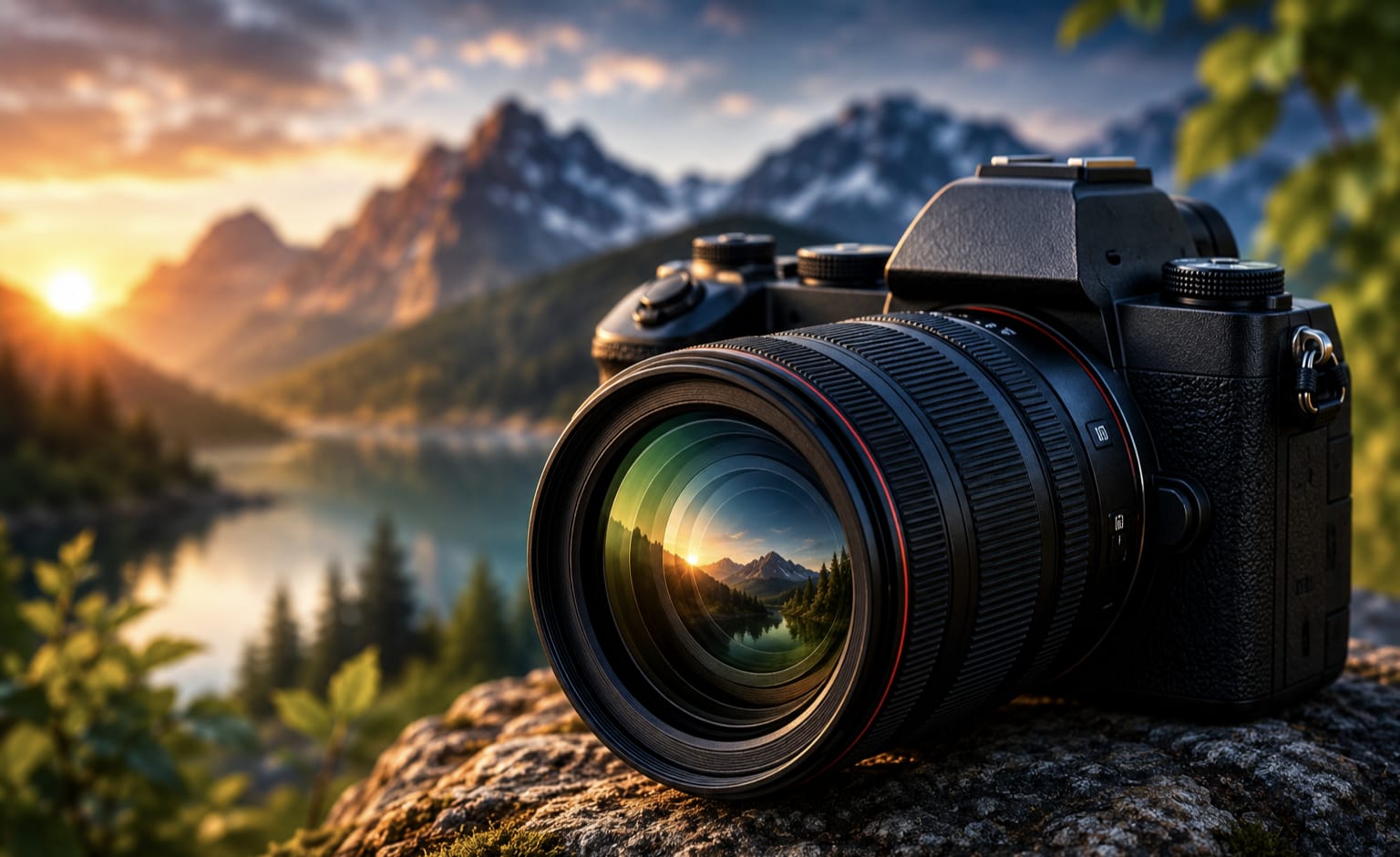
Cameras have transformed the way people capture and preserve memories. From family celebrations and breathtaking landscapes to historic events and artistic creations, cameras allow us to freeze moments in time. Over the years, camera technology has evolved dramatically, moving from bulky film cameras to compact digital devices and sophisticated mirrorless systems. Yet, despite all these advancements, one question remains: What makes a camera truly great?
The answer goes beyond megapixels and technical specifications. A truly great camera combines image quality, usability, reliability, innovation, and the ability to help photographers bring their creative vision to life. Whether used by professionals or hobbyists, the best cameras are those that inspire confidence and consistently deliver excellent results.
Image Quality: The Heart of Every Great Camera
The most important feature of any camera is its ability to produce high-quality images. A great camera captures sharp details, accurate colors, and a wide range of tones from shadows to highlights.
Image quality depends on several factors, including sensor size, lens quality, and image processing technology. Larger sensors generally collect more light, resulting in better performance in low-light conditions and improved image clarity.
A camera that consistently produces beautiful, detailed photographs provides photographers with greater creative freedom and confidence.
Lens Quality Matters
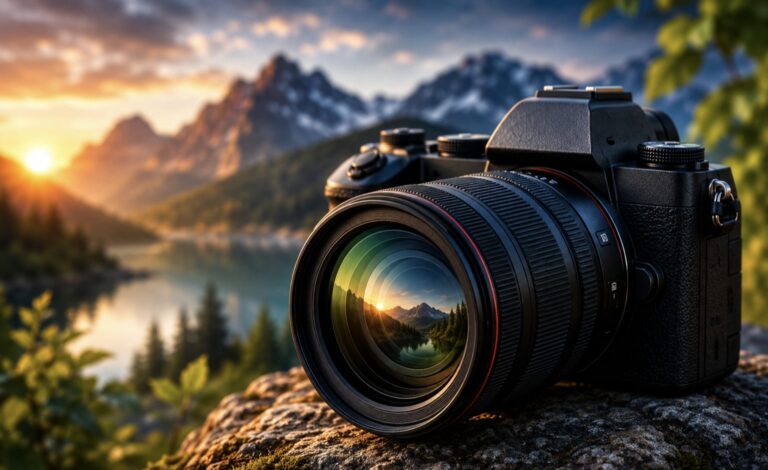
Even the most advanced camera body cannot perform at its best without a quality lens. Lenses determine how light enters the camera and greatly influence sharpness, contrast, and overall image appearance.
Professional photographers often say that lenses are just as important as the camera itself. A great camera system offers access to a variety of lenses suitable for portraits, landscapes, wildlife, sports, and macro photography.
The combination of a capable camera and an excellent lens creates images that stand out in terms of detail and visual impact.
Performance in Different Lighting Conditions
Lighting plays a crucial role in photography. A truly great camera performs well not only in bright sunlight but also in challenging low-light situations.
Modern cameras use advanced sensors and noise-reduction technologies to capture clean images even at high sensitivity settings. This capability allows photographers to shoot indoors, at night, or during events without sacrificing image quality.
The ability to adapt to various lighting conditions makes a camera more versatile and useful in real-world situations.
Speed and Responsiveness
Great moments often happen in an instant. Wildlife photography, sports events, and candid portraits require cameras that can react quickly.
Fast autofocus systems help photographers lock onto subjects accurately, while high-speed burst shooting captures multiple images in rapid succession. A responsive camera reduces the chances of missing important moments.
Speed is particularly valuable for photographers who work in dynamic environments where timing is critical.
Ease of Use
A camera may have impressive technical features, but if it is difficult to operate, users may struggle to take full advantage of its capabilities.
A truly great camera offers intuitive controls, clear menus, and a comfortable design. Buttons and settings should be easy to access, allowing photographers to focus on creativity rather than technical adjustments.
User-friendly cameras help beginners learn photography while providing advanced options for experienced users.
Durability and Reliability
Photographers often work in challenging environments, including rain, dust, extreme temperatures, and rough terrain. A great camera must be durable enough to withstand these conditions.
Weather-sealed bodies, strong construction materials, and reliable performance ensure that the camera can continue functioning when needed most.
Reliability is especially important for professional photographers who depend on their equipment for important assignments and events.
Innovation and Technology
Technology continues to push the boundaries of what cameras can achieve. Features such as image stabilization, artificial intelligence-powered autofocus, high-resolution sensors, and advanced video recording have revolutionized photography.
Modern cameras can track moving subjects, reduce blur, and produce stunning results with minimal effort. These innovations make photography more accessible while expanding creative possibilities.
However, technology alone does not define greatness. The best cameras balance innovation with practical usability.
Video Capabilities
Today’s cameras are not limited to still photography. Many photographers and content creators also produce videos for social media, documentaries, films, and educational content.
A truly great camera offers excellent video performance, including high-resolution recording, smooth autofocus, effective stabilization, and quality audio support.
As visual storytelling continues to evolve, strong video capabilities have become an important part of camera excellence.
Portability and Design
The size and weight of a camera can significantly influence how often it is used. A camera that is too large or heavy may become inconvenient for travel or everyday photography.
Modern mirrorless cameras have gained popularity because they offer professional-level performance in smaller and lighter bodies. Comfortable design and portability encourage photographers to carry their cameras more frequently, increasing opportunities to capture memorable moments.
Creativity Over Equipment
While technology plays an important role, a truly great camera is ultimately one that helps photographers express their creativity. The best images often come not from the most expensive equipment but from the photographer’s vision, skill, and imagination.
A camera should feel like a tool that supports artistic expression rather than a barrier. When photographers feel connected to their equipment, they are more likely to experiment, learn, and develop their unique style.
The Best Camera for Different People
There is no single camera that is perfect for everyone. Different photographers have different needs.
A wildlife photographer may prioritize fast autofocus and long lenses. A travel photographer may prefer a lightweight and portable system. A filmmaker may focus on video performance, while a beginner may value simplicity and affordability.
Therefore, a great camera is one that meets the specific needs of its user and helps them achieve their goals.
Conclusion
What makes a camera truly great is not just its specifications or price tag. A great camera combines excellent image quality, reliable performance, quality lenses, ease of use, durability, and innovative technology. Most importantly, it empowers photographers to capture moments, tell stories, and express their creativity.
As camera technology continues to evolve, the definition of greatness may change, but one principle remains constant: the best camera is the one that inspires you to see the world differently and capture it in a meaningful way. Whether it is a professional camera or a simple device in your pocket, a truly great camera is one that helps turn ordinary moments into lasting memories.