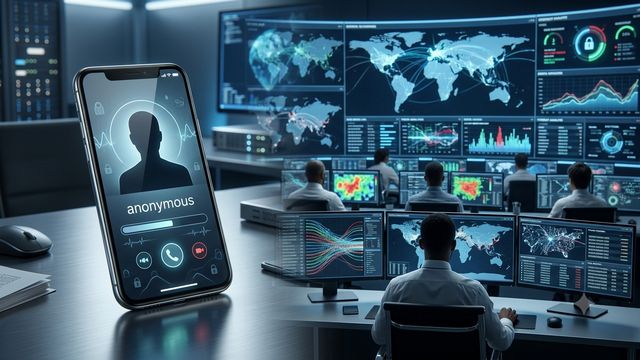
Almost everyone who owns a mobile phone has received a call from a number that appears as “Private Number,” “Unknown Caller,” “No Caller ID,” or “Blocked Number.” These calls often create curiosity and sometimes concern because the caller’s phone number is hidden from the recipient.
Many people immediately associate private number calls with scams, fraud, or illegal activities. While some anonymous calls are indeed linked to criminal behavior, many private number calls are completely legitimate and serve valid purposes.
Understanding how private number calls work, why people use them, and when they may indicate suspicious activity can help individuals make informed decisions about handling such calls.
What Is a Private Number Call?
A private number call occurs when the caller intentionally hides their phone number from appearing on the recipient’s caller ID display.
Instead of showing the actual phone number, the receiving phone may display messages such as:
- Private Number
- Unknown Caller
- Blocked Number
- No Caller ID
- Restricted Number
The call itself still travels through the telephone network normally.
The difference is that identifying information is intentionally withheld from the recipient.
This feature has existed for many years and is supported by most telecommunications systems worldwide.
How Does Caller ID Normally Work?
To understand private calls, it helps to understand caller ID.
When a person places a call, the telephone network typically sends information that includes:
- The caller’s phone number
- Network details
- Routing information
The recipient’s phone then displays the caller’s number.
This allows people to know who is calling before answering.
Caller ID became popular because it improved convenience and helped users avoid unwanted calls.
How Are Private Numbers Hidden?
Telecommunications providers offer caller ID blocking services.
When enabled, the network prevents the caller’s number from being displayed to the recipient.
The call still contains technical information needed for routing through the network, but the visible caller ID is removed.
In many countries, users can temporarily block their caller ID by entering special dialing codes before making a call.
Some organizations permanently configure their outgoing lines to hide caller information.
Legitimate Reasons for Private Number Calls
Not all private calls are suspicious.
There are many legitimate situations where caller ID may be hidden.
Medical Professionals
Doctors, hospitals, and healthcare workers may call patients from private numbers to protect personal contact information.
Law Enforcement
Police officers and investigators sometimes use blocked numbers during investigations.
Government Agencies
Certain government departments may restrict outgoing caller information for privacy and security reasons.
Businesses
Some companies route outgoing calls through centralized systems that do not display direct numbers.
Personal Privacy
Individuals may occasionally choose to hide their number when contacting strangers or conducting sensitive conversations.
These examples demonstrate that anonymous calling is not automatically associated with wrongdoing.
Why Are People Suspicious of Private Calls?
Many people have become cautious because scam calls have increased significantly over the years.
Criminals often prefer anonymity.
A hidden number makes it harder for victims to identify, report, or block the caller.
As a result, many fraudulent callers use private numbers or disguised caller information.
This has created a negative reputation for anonymous calls.
However, it is important to distinguish between the technology itself and the way some individuals misuse it.
Are Private Number Calls Used for Illegal Activities?
Sometimes, yes.
Private numbers can be used by criminals because anonymity reduces accountability.
Examples may include:
Fraud Scams
Scammers may pretend to represent banks, government agencies, or businesses.
Extortion Attempts
Some criminals hide their identities while making threats or demands.
Harassment
Anonymous calls may be used for repeated unwanted contact.
Social Engineering
Fraudsters may manipulate victims into revealing personal information.
Because the caller’s identity is concealed, tracing them may require assistance from telecommunications providers or law enforcement agencies.
Private Numbers vs Caller ID Spoofing
Many people confuse private numbers with caller ID spoofing.
They are not the same thing.
Private Number
The caller intentionally hides the number.
The recipient sees “Private Number” or a similar message.
Caller ID Spoofing
The caller displays a fake number that appears legitimate.
For example, a scammer may make a call appear as if it is coming from a local business or government office.
Spoofing is often considered more dangerous because it creates a false sense of trust.
Modern scam operations frequently use spoofing techniques.
Can Private Numbers Be Traced?
In most cases, yes.
Although the recipient cannot see the caller’s number, telecommunications providers generally retain technical records.
Network operators often know:
- Originating phone numbers
- Time of the call
- Routing information
- Network details
If a call is linked to criminal activity, law enforcement agencies can often request access to these records through legal procedures.
Therefore, private numbers do not provide complete anonymity.
How Should You Handle Private Calls?
When receiving a private number call, it is wise to remain cautious.
Consider the following guidelines:
Do Not Share Personal Information
Avoid revealing:
- Bank account details
- Passwords
- One-time verification codes
- Personal identification numbers
Verify the Caller
If someone claims to represent a bank or organization, contact the organization directly using official contact information.
Be Skeptical of Urgent Requests
Scammers often create artificial pressure to force quick decisions.
Block Repeated Harassment
Most smartphones allow users to block anonymous calls or use call-filtering applications.
Report Suspicious Activity
Suspicious calls can often be reported to telecommunications providers or relevant authorities.
Can You Block Private Number Calls?
Many modern smartphones include options to block anonymous calls.
Additional tools may include:
- Carrier call-filtering services
- Spam detection systems
- Third-party call protection applications
These systems help reduce unwanted calls and improve user security.
However, blocking all anonymous calls may cause some legitimate calls to be missed.
Users should balance convenience and security based on their personal needs.
The Future of Caller Identification
Telecommunications companies are developing improved technologies to combat scam calls.
New authentication systems aim to verify that caller information is genuine.
Future networks may reduce:
- Caller ID spoofing
- Fraudulent robocalls
- Identity masking abuse
As these technologies become more widespread, users may gain greater confidence in caller identification systems.
Conclusion
Private number calls occur when callers intentionally hide their phone numbers from recipients. While many people associate anonymous calls with scams or illegal activities, there are also legitimate reasons for using caller ID blocking, including privacy, healthcare communication, law enforcement operations, and business purposes.
Although private numbers can sometimes be used by criminals, the technology itself is not illegal. Telecommunications providers generally maintain records that can help identify callers when necessary. The safest approach is to remain cautious, avoid sharing sensitive information, verify unexpected requests, and use available call-filtering tools when appropriate.
By understanding how private number calls work, users can better distinguish between legitimate communication and potential scams while protecting their privacy and security.