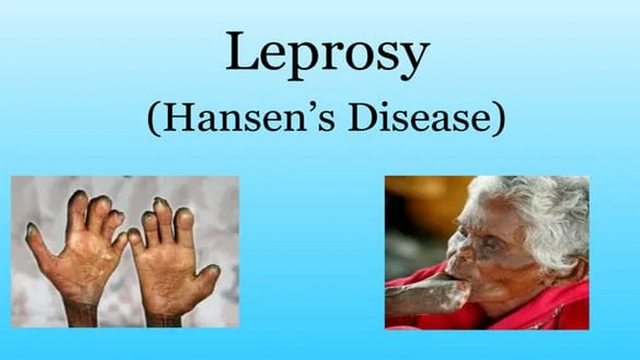
Leprosy, one of the oldest known diseases in human history, has long been surrounded by myths and stigma. In India, where the disease was once widespread, social workers, missionaries, and medical professionals played a crucial role in dispelling misconceptions and driving eradication efforts. The truth about leprosy lies not only in its medical reality but also in the social transformation that accompanied its decline.
Myths and Misconceptions Surrounding Leprosy
For centuries, leprosy was misunderstood as a curse or divine punishment. Villagers often believed that those afflicted were untouchable, leading to widespread social ostracism. The disease was wrongly thought to be highly contagious, resulting in isolation of patients in colonies far removed from society.
Scientific research later revealed that leprosy, caused by Mycobacterium leprae, spreads slowly and is not as contagious as once feared. Early detection and treatment with multidrug therapy (MDT) can cure the disease and prevent disability. Dispelling these myths was essential in reducing stigma and encouraging patients to seek medical help.
Missionary Contributions to Leprosy Care
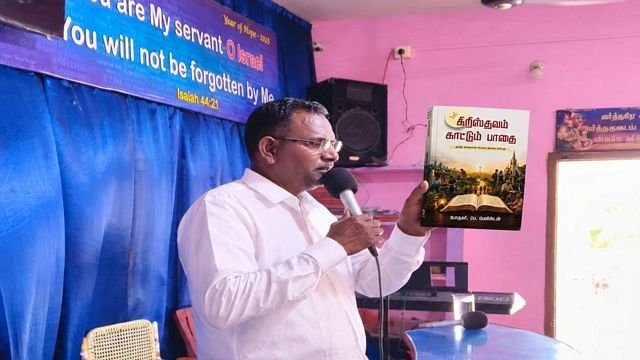
Missionaries played a pivotal role in changing perceptions and providing care for leprosy patients in India. From the late 19th century onward, Christian missionaries established hospitals, rehabilitation centers, and leprosy colonies where patients received medical treatment and dignity.
Figures such as Dr. Ruth Pfau in Pakistan and Father Damien in Hawaii became global symbols of compassion, while in India, missionaries worked tirelessly to integrate leprosy patients back into society. Their efforts not only provided medical relief but also challenged discriminatory practices, emphasizing that leprosy patients deserved respect and equal rights.
Government and Global Eradication Efforts
India, once home to the largest number of leprosy cases worldwide, launched extensive eradication programs in collaboration with the World Health Organization (WHO). The introduction of MDT in the 1980s marked a turning point, drastically reducing prevalence rates.
By 2005, India officially declared leprosy eliminated as a public health problem, defined as fewer than one case per 10,000 population. However, sporadic cases continue to emerge, particularly in rural areas where awareness and healthcare access remain limited. Ongoing surveillance and community-based programs ensure that new cases are detected early and treated effectively.
Social Impact and Rehabilitation
Beyond medical treatment, rehabilitation has been a cornerstone of leprosy eradication. Social workers and NGOs have worked to reintegrate patients into mainstream society, providing vocational training, education, and housing support.
Efforts to combat discrimination have included awareness campaigns, legal protections, and advocacy for the rights of leprosy-affected individuals. These initiatives have helped dismantle centuries-old prejudices, allowing former patients to live with dignity and contribute to their communities.
The Role of Education in Dispelling Fear
Education has been instrumental in reshaping public perception of leprosy. Schools, community centers, and health campaigns have taught villagers that leprosy is curable and not a divine curse. By involving local leaders and healthcare workers, these programs have built trust and encouraged early diagnosis.
Awareness initiatives have also highlighted the importance of compassion, urging communities to support rather than isolate those affected. This cultural shift has been vital in reducing stigma and ensuring that eradication efforts are sustainable.
Continuing Challenges
Despite remarkable progress, challenges remain. Rural areas with poor healthcare infrastructure still report new cases, and lingering stigma discourages some patients from seeking treatment. Social workers emphasize the need for continuous education, improved healthcare delivery, and stronger community engagement.
International organizations continue to support India’s efforts, ensuring that leprosy remains under control and that no patient is left untreated. The fight against leprosy serves as a reminder that medical progress must be accompanied by social change.
Conclusion
The truth about leprosy in India is a story of transformation—from fear and stigma to compassion and eradication. Myths once fueled discrimination, but missionaries, social workers, and healthcare professionals reshaped the narrative by offering treatment, dignity, and hope. With India’s successful eradication efforts, leprosy stands as a testament to the power of science, faith, and humanity working together. Sustained vigilance and education will ensure that the disease remains a chapter of history rather than a recurring challenge.