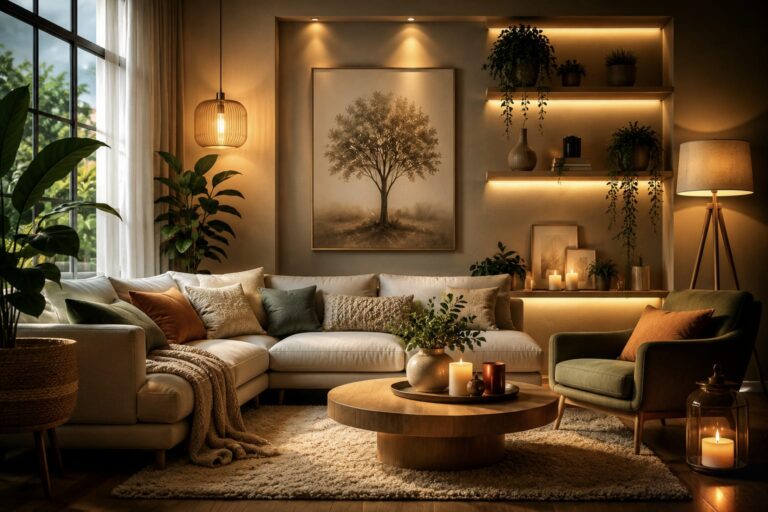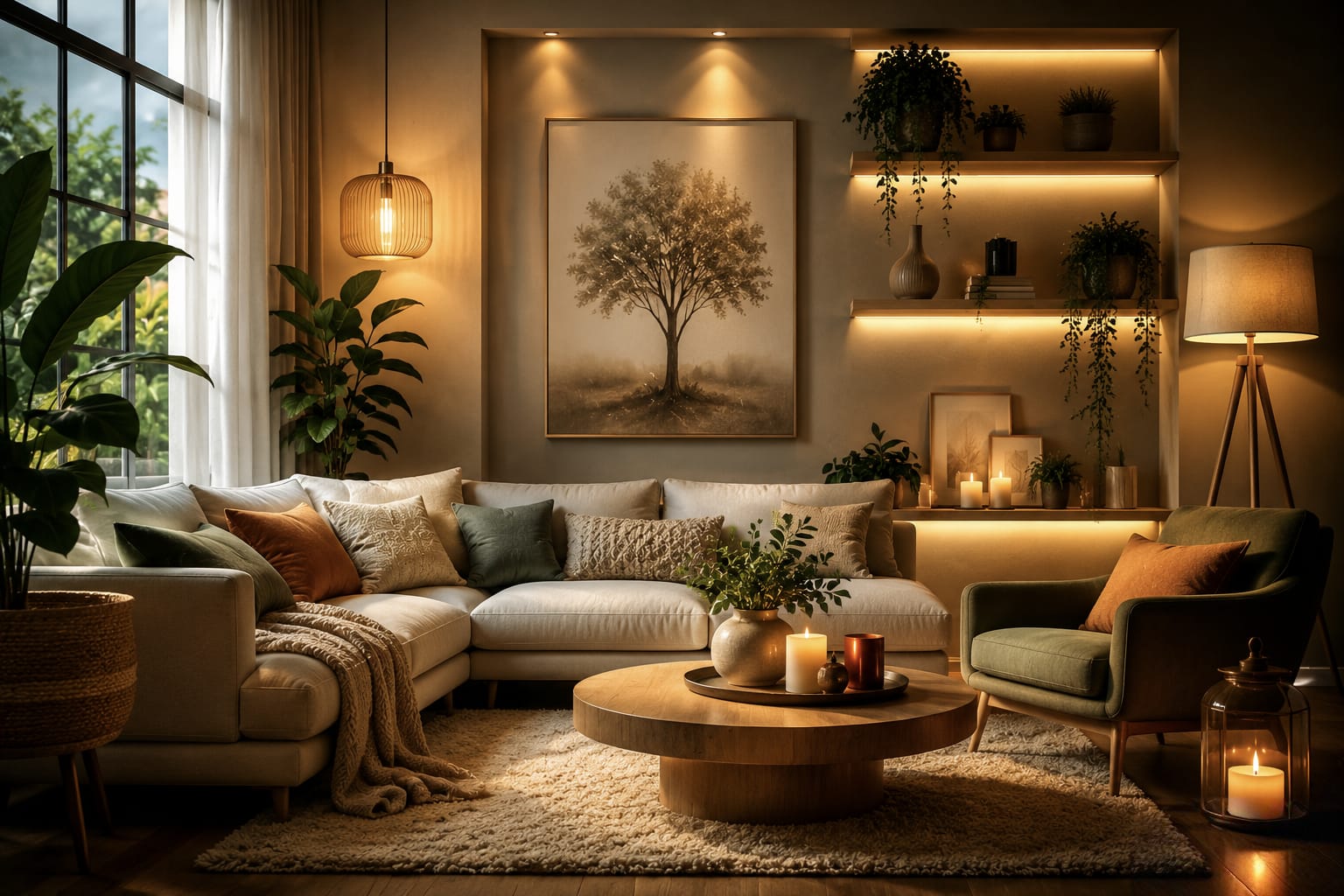
The spaces we live in have a profound influence on our thoughts, emotions, and daily experiences. Whether it is a cozy home, a well-designed office, a peaceful garden, or a welcoming café, the environment around us silently shapes the way we feel and behave. Beautiful spaces do much more than please the eye; they create comfort, inspire creativity, reduce stress, and improve our overall quality of life. While we often focus on furniture, decorations, and colors as separate elements, the true power of a beautiful space lies in how these components come together to create an atmosphere. This silent power works every day, often without us even realizing it.
Understanding Beautiful Spaces
A beautiful space is not necessarily expensive or luxurious. Beauty in design comes from harmony, balance, functionality, and personal expression. A room filled with natural light, organized furniture, pleasant colors, and meaningful decorative elements can feel more beautiful than a costly room that lacks warmth and purpose.
Beautiful spaces are designed with people in mind. They support daily activities while creating a sense of comfort and belonging. Every element, from the arrangement of furniture to the choice of colors, contributes to the overall experience of the space.
The Connection Between Environment and Emotions
Human emotions are strongly connected to surroundings. A cluttered and poorly organized room can create feelings of stress, anxiety, and distraction. On the other hand, a clean and thoughtfully designed environment can promote relaxation and peace of mind.
When people enter a beautiful space, they often feel calmer and more comfortable. Soft lighting, balanced colors, and open layouts help create an atmosphere that encourages positive emotions. Even small details such as fresh flowers, artwork, or indoor plants can make a significant difference in how a space feels.
Researchers have found that environments influence mood, productivity, and mental health. This demonstrates that interior design is not simply about appearance; it also affects emotional well-being.
The Role of Colors in Interior Design
Colors have a powerful psychological impact. Different colors evoke different emotions and reactions. Warm colors such as yellow, orange, and soft red can create feelings of energy, warmth, and enthusiasm. Cool colors like blue and green often promote relaxation, focus, and tranquility.
Neutral colors such as white, beige, and gray provide a sense of balance and sophistication. They create a versatile backdrop that allows other design elements to stand out.
Choosing the right color palette is one of the most important aspects of creating a beautiful space. The colors used in a room can influence everything from energy levels to emotional comfort.
Natural Light and Its Influence
Natural light is one of the most valuable elements in any interior space. Sunlight brightens rooms, enhances colors, and creates a connection with the outside world. Spaces filled with natural light often feel larger, more welcoming, and more energetic.
Exposure to natural light also benefits physical and mental health. It can improve mood, regulate sleep patterns, and increase productivity. Designers often prioritize large windows, open layouts, and reflective surfaces to maximize natural light within a space.
A room that receives abundant sunlight often feels alive and vibrant, demonstrating the silent influence of thoughtful design.
The Importance of Organization and Simplicity
Beautiful spaces are often organized spaces. Clutter can make even the most attractive room feel chaotic and overwhelming. Simplicity allows important design elements to stand out and creates a sense of order.
Minimalist design has become increasingly popular because it focuses on quality over quantity. Instead of filling a room with unnecessary objects, minimalist spaces emphasize functionality, clean lines, and purposeful decoration.
Organization does not mean removing personality. Rather, it means creating a space where everything has a place, allowing the environment to feel calm and balanced.
Bringing Nature Indoors
Nature has a remarkable ability to improve human well-being. Incorporating natural elements into interior spaces creates a sense of freshness and connection with the environment.
Indoor plants are among the simplest ways to enhance a room. They improve air quality, add color, and create a calming atmosphere. Natural materials such as wood, stone, bamboo, and cotton also contribute to a warm and inviting environment.
The growing popularity of biophilic design reflects a deeper understanding of humanity’s connection to nature. By bringing natural elements indoors, designers create spaces that feel healthier and more harmonious.
Beautiful Spaces and Productivity
The design of a space can significantly influence productivity and focus. Well-organized workspaces reduce distractions and improve efficiency. Comfortable furniture, proper lighting, and thoughtful layouts support concentration and creativity.
In offices, schools, and home workspaces, design plays a crucial role in performance. Employees working in pleasant environments often report higher job satisfaction and better productivity. Similarly, students can benefit from study areas that are comfortable, organized, and visually appealing.
A beautiful workspace encourages people to spend time there and perform at their best.
Personal Expression Through Design
Every home tells a story. Interior design provides an opportunity for individuals to express their personality, values, and interests. Family photographs, artwork, souvenirs, books, and personal collections help transform a house into a home.
Beautiful spaces reflect the people who live in them. They combine functionality with individuality, creating environments that feel authentic and meaningful.
Rather than following trends alone, successful design often incorporates personal elements that make a space unique and memorable.
The Lasting Impact of Beautiful Spaces
The influence of beautiful spaces extends beyond immediate comfort. They shape memories, strengthen relationships, and contribute to overall happiness. Families gather in living rooms, friends share conversations around dining tables, and individuals find peace in personal corners designed for relaxation.
These experiences become part of our lives, demonstrating how the environments we create affect our daily journey. Beautiful spaces support not only practical needs but also emotional connections and personal growth.
Conclusion
The power of beautiful spaces often works quietly in the background, influencing our thoughts, emotions, and behaviors without demanding attention. Through thoughtful design, balanced colors, natural light, organization, and personal expression, spaces can become sources of comfort, inspiration, and well-being.
A beautiful space is not defined by its size or cost but by the feelings it creates. Whether it is a simple room filled with natural light or a carefully designed home that reflects personal style, beautiful spaces have the ability to enrich lives in meaningful ways. Their power may be silent, but their impact is lasting, reminding us that our surroundings shape who we are and how we experience the world.