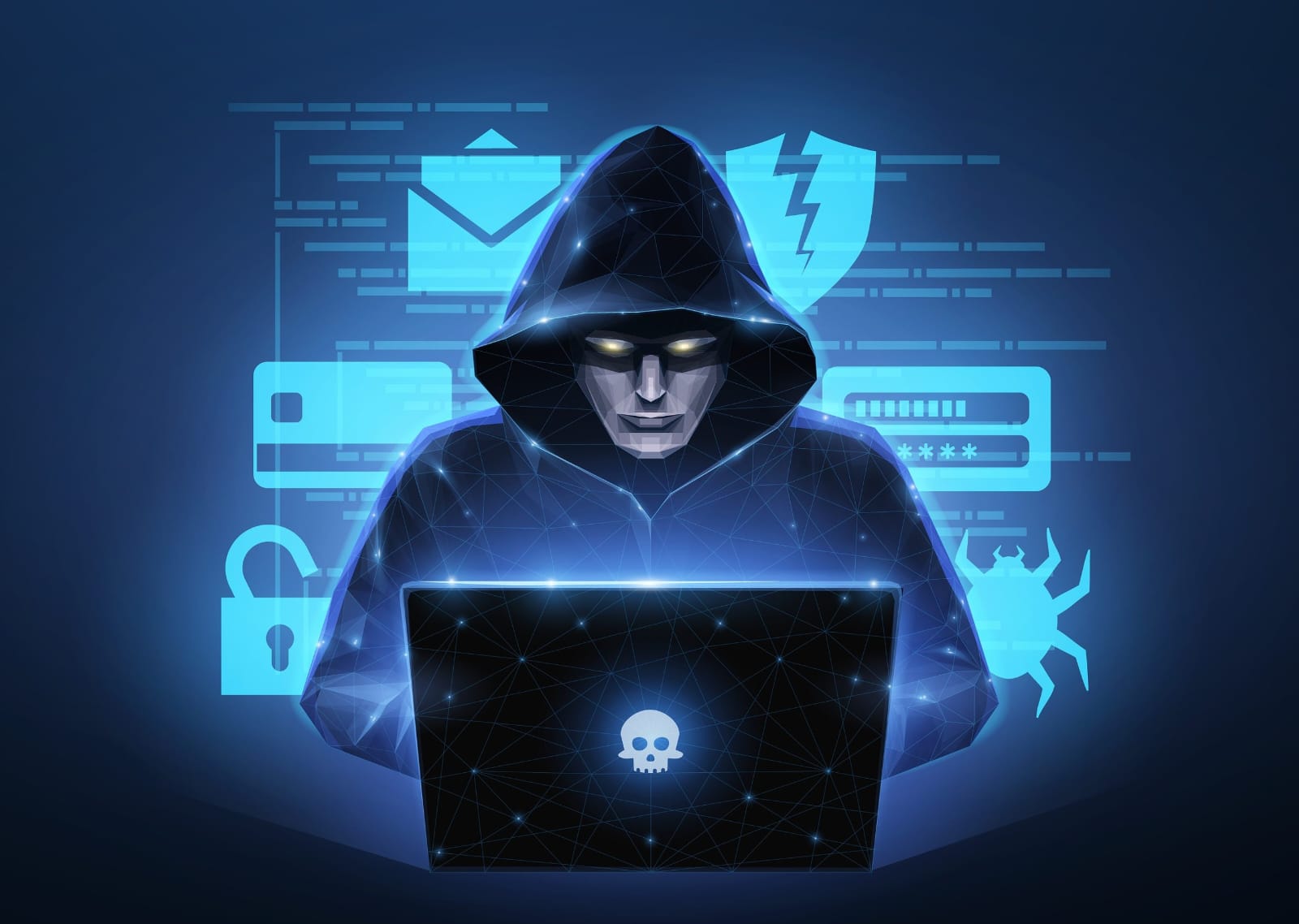
In today’s digital age, technology plays a vital role in almost every aspect of our lives, from communication and education to banking and business. As our dependence on the internet and digital devices continues to grow, so do the risks associated with cyber threats such as hacking, phishing, malware, and data breaches. Cybersecurity has become essential for protecting personal information, sensitive data, and critical systems from unauthorized access and attacks. It helps ensure a safe and secure online environment for individuals, organizations, and governments alike.
Understanding Cybersecurity
Cybersecurity involves a combination of technologies, processes, and practices designed to safeguard digital information. Its primary objective is to ensure the confidentiality, integrity, and availability of data.
The three main principles of cybersecurity are:
Confidentiality
Confidentiality ensures that sensitive information is accessible only to authorized individuals. Personal information, financial records, passwords, and business data must be protected from unauthorized access.
Integrity
Integrity ensures that data remains accurate and unaltered. Cybersecurity measures prevent hackers from modifying or corrupting important information.
Availability
Availability ensures that systems and data remain accessible to authorized users whenever needed. Cyberattacks such as ransomware can disrupt access to critical services and information.
Common Cyber Threats
As technology advances, cybercriminals develop increasingly sophisticated methods to exploit vulnerabilities.
Malware
Malware is malicious software designed to damage or disrupt computer systems. Common types include viruses, worms, spyware, and ransomware.
Phishing Attacks
Phishing is a cybercrime where attackers impersonate legitimate organizations to trick individuals into revealing sensitive information such as passwords, bank details, or personal data.
Ransomware
Ransomware locks or encrypts a victim’s files and demands payment to restore access. It has become one of the most damaging forms of cybercrime.
Identity Theft
Cybercriminals steal personal information to commit fraud, access financial accounts, or impersonate victims online.
Data Breaches
A data breach occurs when unauthorized individuals gain access to confidential information stored by organizations, often exposing customer records and sensitive business data.
Importance of Cybersecurity
Protecting Personal Information
People store vast amounts of personal information online, including photos, financial records, and private communications. Cybersecurity helps protect this information from theft and misuse.
Safeguarding Businesses
Organizations rely heavily on digital systems to manage operations. A successful cyberattack can result in financial losses, reputational damage, and operational disruptions.
National Security
Governments use cybersecurity to protect critical infrastructure such as power grids, transportation systems, healthcare networks, and military communications.
Building Trust
Strong cybersecurity practices increase confidence in online services, encouraging people to engage in digital activities such as online banking, shopping, and remote work.
The Role of Strong Passwords
Passwords serve as the first line of defense against unauthorized access.
Effective passwords should:
- Be long and complex.
- Include uppercase and lowercase letters.
- Contain numbers and special characters.
- Avoid easily guessed information such as birthdays or names.
- Be unique for each account.
Using multi-factor authentication (MFA) provides an additional layer of security by requiring a second verification step.
Safe Internet Practices
Individuals can significantly reduce cyber risks by following safe online practices.
Keep Software Updated
Software updates often contain security patches that fix vulnerabilities. Regular updates help protect devices from known threats.
Avoid Suspicious Links
Users should avoid clicking unknown links or downloading attachments from untrusted sources.
Use Secure Networks
Public Wi-Fi networks may expose users to cyber threats. Using secure and encrypted connections helps protect sensitive information.
Backup Important Data
Regular backups ensure that valuable information can be recovered in case of data loss or ransomware attacks.
Cybersecurity in Education
Educational institutions increasingly depend on digital technologies for teaching and learning. As a result, schools and universities must protect student records, research data, and online learning platforms from cyber threats.
Teaching cybersecurity awareness helps students develop responsible digital habits and understand the importance of online safety.
Emerging Technologies and Cybersecurity
New technologies offer opportunities but also create new security challenges.
Artificial Intelligence
Artificial Intelligence (AI) can enhance cybersecurity by detecting threats and responding quickly to attacks. However, cybercriminals may also use AI to create more advanced attacks.
Cloud Computing
Cloud services provide flexibility and convenience but require strong security measures to protect stored data.
Internet of Things (IoT)
Smart devices such as fitness trackers, smart TVs, and home automation systems increase connectivity but may introduce additional vulnerabilities if not properly secured.
Career Opportunities in Cybersecurity
As cyber threats continue to grow, the demand for cybersecurity professionals is increasing worldwide.
Popular cybersecurity careers include:
- Security Analyst
- Ethical Hacker
- Network Security Engineer
- Cybersecurity Consultant
- Incident Response Specialist
- Information Security Manager
These careers offer excellent opportunities for individuals interested in technology and digital security.
The Future of Cybersecurity
The future of cybersecurity will involve advanced technologies, stronger regulations, and increased awareness. Organizations will invest heavily in security solutions to protect their systems and data.
As cybercriminals develop new techniques, cybersecurity professionals must continuously adapt and innovate. Education, collaboration, and technological advancement will play vital roles in maintaining digital security.
Conclusion
Cybersecurity is an essential component of modern life. As society becomes increasingly dependent on technology, protecting digital information and systems has never been more important. Cyber threats affect individuals, businesses, and governments, making cybersecurity a shared responsibility.By adopting safe online practices, using strong security measures, and staying informed about emerging threats, people can reduce risks and contribute to a safer digital environment. In the digital world, cybersecurity is not merely an option—it is a necessity for protecting our future.