June 2 ,2026
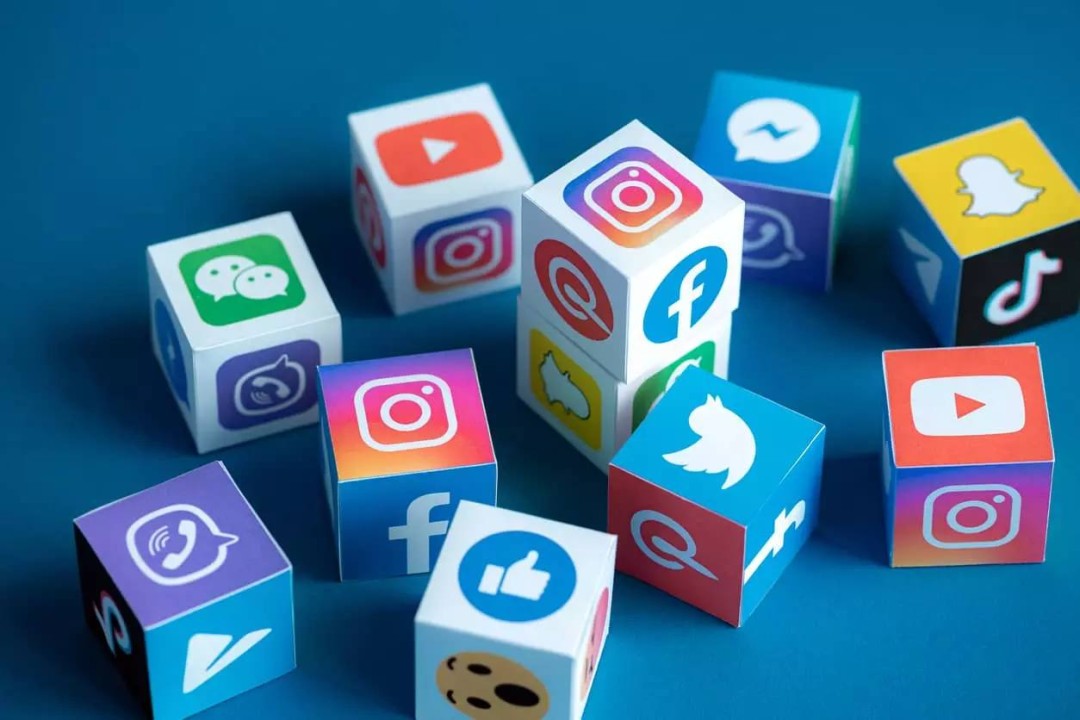
Social media has become an integral part of modern life, transforming the way people communicate, share information, and interact with the world. Platforms such as Facebook, Instagram and TikTok have connected billions of people across the globe. From personal communication to business marketing and political discussions, social media influences nearly every aspect of society.
While social media offers numerous benefits, it also presents several challenges. Its impact on society is both positive and negative, affecting communication, education, business, mental health, and social relationships. Understanding these effects is essential in today’s digital age.
The Rise of Social Media
The development of the internet and smartphones has led to the rapid growth of social media. What began as simple online networking platforms has evolved into powerful communication tools. Today, people use social media to stay connected with friends and family, access news, share experiences, promote businesses, and express opinions.
The accessibility and convenience of social media have made it one of the most influential technologies of the 21st century. Information can be shared instantly, allowing people to communicate across geographical boundaries.
Positive Impacts of Social Media
Enhanced Communication
One of the greatest advantages of social media is improved communication. People can connect with others regardless of distance and time zones. Families living in different countries can stay in touch through messages, video calls, and shared content.
Social media has made communication faster, easier, and more affordable than ever before. It enables individuals to maintain relationships and build new connections around the world.
Access to Information
Social media serves as a major source of information and news. Users can learn about global events, educational topics, health awareness campaigns, and technological developments within seconds.
Educational institutions, organizations, and experts use social media to share knowledge and resources. Students can access tutorials, lectures, and learning materials that support their academic growth.
Business and Economic Growth
Businesses use social media to reach customers, promote products, and build brand awareness. Small businesses can market their services at a relatively low cost compared to traditional advertising methods.
Social media has also created new career opportunities, including digital marketing, content creation, social media management, and influencer marketing. Many individuals earn a living through online platforms.
Social Awareness and Activism
Social media has become a powerful tool for raising awareness about social issues. Campaigns related to environmental protection, human rights, education, and public health can quickly reach millions of people.
Through hashtags, videos, and online campaigns, individuals can support causes, organize events, and encourage positive social change.
Community Building
People with shared interests can connect through online communities and groups. Whether focused on education, hobbies, professional development, or support networks, social media helps individuals find like-minded people and build meaningful relationships.
Negative Impacts of Social Media
Mental Health Concerns
Despite its benefits, excessive social media use can negatively affect mental health. Constant exposure to idealized lifestyles and unrealistic standards may lead to feelings of inadequacy, anxiety, and low self-esteem.
Many users compare their lives to carefully edited content posted by others, which can create dissatisfaction and emotional stress.
Spread of Misinformation
Social media allows information to spread rapidly, but not all information is accurate. False news, rumors, and misleading content can reach large audiences before being verified.
Misinformation can influence public opinion, create confusion, and sometimes lead to harmful consequences. Therefore, users must evaluate sources critically before believing or sharing information.
Cyberbullying and Online Harassment
The anonymity of the internet sometimes encourages harmful behavior. Cyberbullying, harassment, and online abuse have become significant concerns, particularly among young people.
Victims of cyberbullying may experience emotional distress, reduced self-confidence, and difficulties in their personal and academic lives.
Privacy and Security Risks
Social media users often share personal information online. This can increase the risk of identity theft, data breaches, and privacy violations.
Many people are unaware of how their information is collected, stored, and used by digital platforms. Responsible online behavior and privacy awareness are essential for protecting personal data.
Addiction and Reduced Productivity
Excessive social media usage can become addictive. Many individuals spend hours scrolling through feeds, watching videos, or engaging in online discussions.
This overuse may reduce productivity, interfere with studies or work, and limit face-to-face interactions. Time management is important to maintain a healthy balance between online and offline activities.
Social Media and Youth
Young people are among the most active users of social media. These platforms offer opportunities for learning, creativity, and social interaction. Students can collaborate on projects, access educational content, and develop digital skills.
However, young users are also more vulnerable to cyberbullying, peer pressure, and negative mental health effects. Parents, educators, and communities must guide young people in using social media responsibly and safely.
Social Media’s Influence on Culture
Social media significantly shapes modern culture by influencing fashion, entertainment, language, and lifestyle trends. Viral content can quickly spread across countries and cultures, creating global conversations and shared experiences.
Influencers and content creators often impact consumer behavior and public opinion. While this can promote innovation and creativity, it can also encourage unrealistic expectations and materialism.
The Future of Social Media
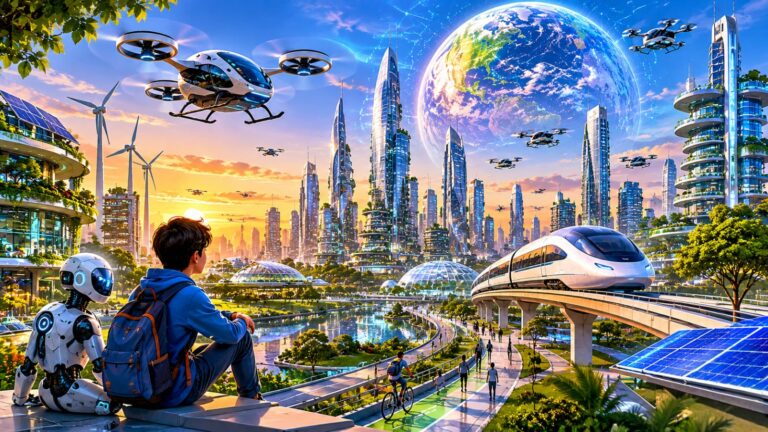
As technology continues to evolve, social media will likely become even more integrated into daily life. Artificial intelligence, virtual reality, and augmented reality may create more immersive online experiences.
The future of social media will depend on balancing innovation with ethical responsibility. Governments, companies, and users must work together to address issues such as privacy, misinformation, and digital well-being.
Social media has revolutionized communication and transformed society in countless ways. It provides opportunities for connection, education, business growth, and social awareness. At the same time, it presents challenges related to mental health, misinformation, privacy, and online behavior.