Every person has a story that the world does not fully see. We meet people every day and often judge them by their appearance, behavior, or the emotions they choose to display. A smiling face may hide sadness, a confident individual may struggle with self-doubt, and a quiet person may carry dreams and ideas that remain unspoken. Human beings naturally present different versions of themselves depending on the situation. These hidden aspects of our personalities can be called “the faces we never show.”
In today’s fast-paced world, people often feel pressured to appear strong, successful, and happy. As a result, many choose to hide their fears, insecurities, disappointments, and vulnerabilities. While this can sometimes help individuals cope with challenges, it can also create a gap between who they truly are and how they appear to others. Understanding the faces we never show helps us develop empathy, compassion, and a deeper appreciation for the complexity of human nature.
The Masks We Wear
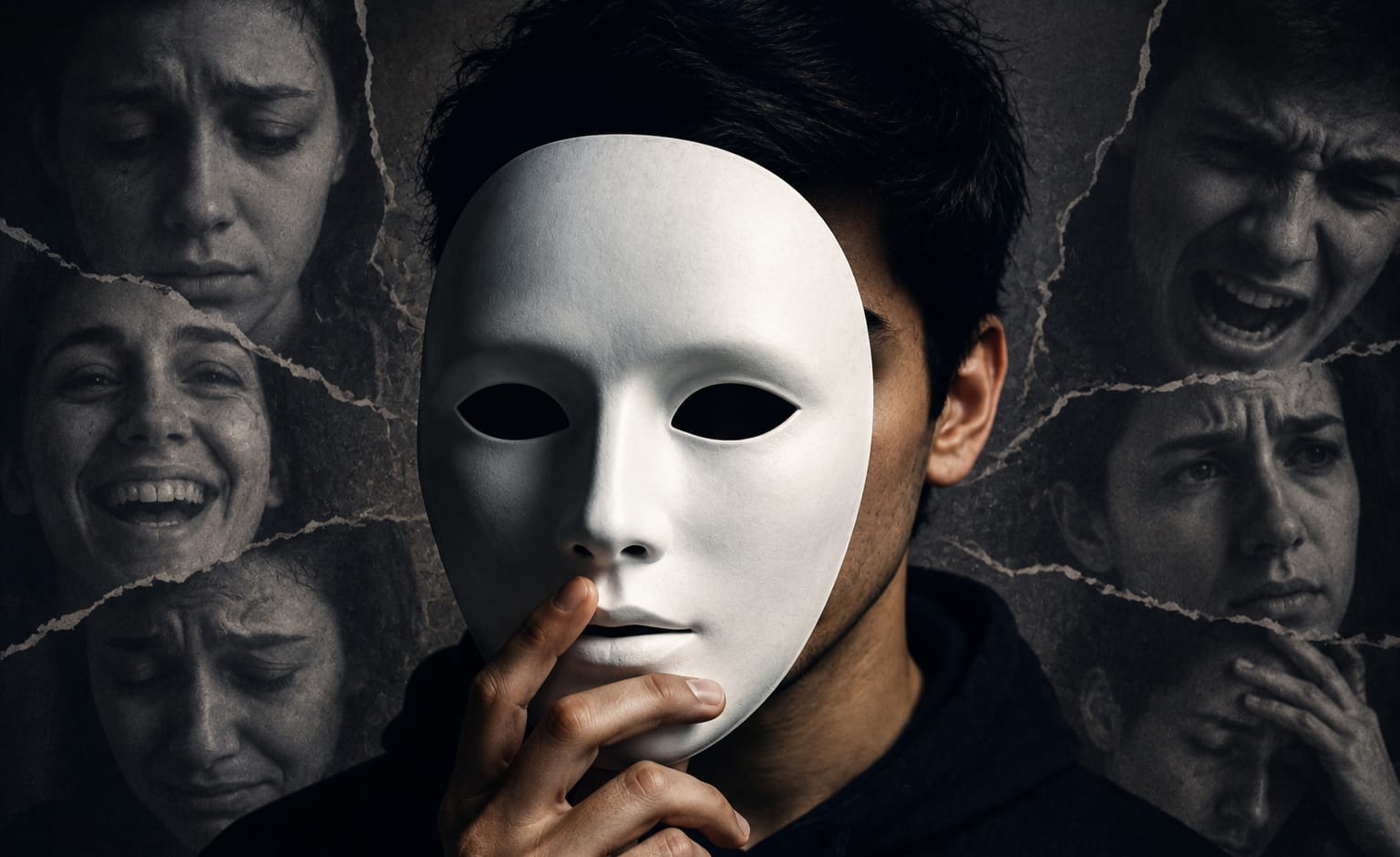
Throughout life, people wear different emotional masks. These masks are not physical objects but symbolic representations of the roles we play in society. A student may hide anxiety before an important examination. A professional may conceal stress while interacting with colleagues. A parent may suppress personal worries to provide comfort and stability for their family.
These masks often serve a purpose. They help people navigate difficult situations and fulfill responsibilities. However, when individuals constantly hide their true feelings, they may begin to feel isolated or misunderstood. The more a person relies on a mask, the harder it can become to reveal their authentic self.
Why People Hide Their True Feelings
There are many reasons why people choose not to show their true emotions. One common reason is fear. People fear being judged, rejected, criticized, or misunderstood. Society often rewards confidence and strength, leading some individuals to believe that showing vulnerability is a sign of weakness.
Another reason is the desire to protect others. A person experiencing hardship may hide their pain to avoid worrying family members or friends. In some cases, people have learned from past experiences that expressing emotions can lead to disappointment or hurt, causing them to become more guarded.
Social media has also contributed to this phenomenon. Online platforms often encourage individuals to present idealized versions of their lives. Pictures of success, happiness, and achievement are shared widely, while struggles and failures remain hidden. This can create unrealistic expectations and make people feel pressured to conceal their imperfections.
The Hidden Struggles Around Us
One of the most important lessons in life is that everyone is fighting battles we cannot see. The cheerful classmate may be dealing with family problems. The successful entrepreneur may be facing personal challenges. The quiet neighbor may be experiencing loneliness.
Because these struggles are often invisible, it is easy to assume that others have perfect lives. In reality, every individual experiences difficulties, fears, and moments of uncertainty. Recognizing this truth encourages kindness and understanding.
When we remember that people carry hidden burdens, we become less likely to judge them harshly. Instead, we learn to approach others with patience and compassion.
The Difference Between Appearance and Reality
Appearances can be misleading. History, literature, and everyday life provide countless examples of people whose outward image did not reflect their inner reality.
Someone may appear confident while secretly struggling with anxiety. Another person may seem distant or unfriendly but is actually shy or fearful of rejection. Likewise, individuals who appear calm and successful may be carrying significant emotional burdens.
This difference between appearance and reality reminds us of the importance of looking beyond first impressions. True understanding requires listening, empathy, and a willingness to see people as complex human beings rather than simple stereotypes.
The Cost of Hiding
While hiding emotions can sometimes be helpful, doing so constantly can have negative consequences. Suppressed feelings may lead to stress, loneliness, and emotional exhaustion. When people feel unable to express themselves honestly, they may struggle to build meaningful relationships.
Authentic connections are based on trust and openness. Sharing thoughts and emotions with trusted individuals allows people to feel supported and understood. It also helps create stronger friendships, families, and communities.
The challenge lies in finding a balance between privacy and honesty. Not every emotion needs to be shared with everyone, but having safe spaces for genuine self-expression is essential for emotional well-being.
The Courage to Be Authentic
Showing one’s true self requires courage. Authenticity means accepting both strengths and weaknesses and allowing others to see the real person beneath the mask.
Being authentic does not mean revealing every thought or emotion. Rather, it involves living in a way that is consistent with one’s values and identity. Authentic people are honest about who they are and do not feel compelled to maintain a false image.
The courage to be authentic often inspires others to do the same. When people share their struggles and experiences openly, they create an environment where honesty and understanding can flourish.
Building a More Compassionate Society
Imagine a world where people felt less pressure to hide their true selves. Such a society would encourage empathy, acceptance, and meaningful connections. Instead of judging others based on appearances, people would seek to understand their experiences and perspectives.
Compassion begins with recognizing that every individual has hidden challenges. A kind word, a listening ear, or a simple act of support can make a significant difference in someone’s life.
By fostering understanding and acceptance, communities can become places where people feel safe to express themselves without fear of judgment.
Learning to Understand Others
Understanding the faces people never show requires active listening and genuine curiosity. Rather than making assumptions, we can ask thoughtful questions and pay attention to what others are communicating through their words and actions.
Empathy allows us to imagine what someone else might be experiencing. While we may never fully understand another person’s journey, we can offer support and respect.
Developing empathy strengthens relationships and helps create a more inclusive and caring society. It reminds us that beneath every face is a unique story deserving of understanding.
Conclusion
The faces we never show reveal an important truth about human nature: everyone carries hidden emotions, dreams, fears, and struggles. The masks people wear often protect them from judgment, rejection, or pain, but they can also create barriers between individuals.
By looking beyond appearances and practicing empathy, we can better understand the people around us. Recognizing the hidden faces within ourselves and others encourages compassion, authenticity, and stronger human connections.
In a world where many feel pressured to appear perfect, perhaps the greatest act of courage is simply being real. When we choose understanding over judgment and authenticity over pretense, we create a society where people can be valued not for the masks they wear, but for who they truly are.