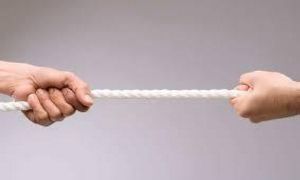
Every relationship has some level of give and take. One person may be better at handling finances, while the other is more emotionally expressive. One may naturally take the lead in difficult situations, while the other prefers support roles. These differences are normal. Problems begin when those differences slowly turn into power imbalances.
A healthy relationship is built on mutual respect, emotional safety, and equal value. But sometimes, one partner gains more control—emotionally, financially, socially, or psychologically—and the relationship begins to feel unequal. In many cases, this imbalance is not created intentionally. It can develop quietly over time through life changes, personality differences, dependency, or emotional habits. Yet even when unintentional, the emotional effects can still be deeply damaging.
What Is a Power Imbalance?
A power imbalance happens when one partner consistently holds more influence, control, or emotional authority than the other. The relationship slowly shifts away from partnership and begins to feel one-sided.
The person with less power may begin to:
- Silence their opinions
- Avoid conflict out of fear
- Depend heavily on the other person
- Lose confidence in their own judgment
- Feel emotionally small or invisible
Over time, they may stop feeling like an equal partner and start feeling more like someone who must seek approval, permission, or validation.
How Power Imbalances Begin
Not all unhealthy dynamics start with manipulation or abuse. Sometimes they grow naturally from certain situations or environments.
Workplace Relationships
Relationships between coworkers can become complicated when one partner has authority over the other. If one person is the boss, manager, or supervisor, the balance of power is already uneven from the beginning.
At work, authority and decision-making are part of the job. But in a romantic relationship, constant control or leadership can create emotional tension.
For example:
- One partner may feel uncomfortable disagreeing because it could affect their career.
- Coworkers may accuse the boss partner of favoritism.
- Problems at home may spill into the workplace.
- Professional criticism may feel personal because of emotional attachment.
A simple work issue—such as being placed on a performance improvement plan—can suddenly affect both the relationship and the work environment at the same time.
Even when both people care deeply for each other, separating professional authority from emotional equality can become difficult.
Age Gaps and Emotional Dependency
Large age-gap relationships are not automatically unhealthy. Many work well with maturity and mutual respect. However, age differences can sometimes create hidden imbalances.
Society often teaches younger people to trust older individuals because they are assumed to be wiser and more experienced. That expectation alone can create unequal power.
A younger partner may:
- Have less relationship experience
- Accept unhealthy behavior as “normal”
- Depend on the older partner for guidance
- Feel unsure about setting boundaries
If the younger person has never fully lived independently, they may rely heavily on their partner emotionally, financially, or socially. In unhealthy situations, this dependency can become a tool for manipulation.
The danger is not the age difference itself—it is when one person’s experience gives them too much control over the other’s choices, confidence, or freedom.
Money and Financial Control
Money can quietly reshape relationship dynamics.
When one partner earns significantly more—or is the sole provider—they may begin to hold more decision-making power in the household. Again, financial imbalance itself is not the issue. The problem begins when money becomes a tool of control.
Some controlling behaviors include:
- Constant reminders about who “pays for everything”
- Controlling spending choices
- Making major decisions without discussion
- Treating the lower-earning partner like they owe obedience
This can become especially difficult for stay-at-home spouses who rely entirely on their partner financially. Dependence can create fear:
“What if I can’t support myself?”
Financial control is one of the most common forms of hidden emotional power in relationships.
Emotional Imbalance and Attachment Styles
Not all power comes from money or age. Sometimes emotional differences create imbalance.
People love differently. Some naturally seek closeness and reassurance. Others are more emotionally distant or independent.
This often appears in relationships where one person has:
- An anxious attachment style
- An avoidant attachment style
The anxiously attached partner may crave connection, affection, texting, reassurance, and emotional closeness. The avoidant partner may pull away when emotions feel too intense.
Over time, the relationship becomes emotionally uneven.
The anxious partner starts chasing connection.
The avoidant partner controls when connection happens.
This creates a painful cycle where affection begins to feel like something that must be earned.
The person wanting closeness may start overthinking:
“Did I do something wrong?”
“Why are they distant?”
“How do I get them to care again?”
Meanwhile, the emotionally withdrawn partner may not even realize how much power they hold simply by controlling emotional access.
Polyamory and Unequal Relationship Structures
Power imbalances can also exist in non-traditional relationships, including polyamorous relationships.
In some poly relationships, there are “primary” and “secondary” partners. The primary relationship often receives more time, commitment, or decision-making authority.
While this arrangement is not automatically harmful, problems arise when secondary partners are treated as emotionally disposable or less important.
For example:
- Rules may be created without their input
- Their emotional needs may be ignored
- They may feel replaceable or excluded
Any relationship structure—monogamous or non-monogamous—can become unhealthy if one person consistently holds more emotional value or control than another.
Common Unhealthy Relationship Dynamics
Relationship experts often describe unhealthy power struggles through certain repeating patterns.
Demand and Withdrawal
One partner asks for emotional connection, support, time, or help.
The other withdraws emotionally or physically.
The demanding partner becomes frustrated and desperate.
The withdrawing partner feels pressured and retreats even further.
Over time, both people feel misunderstood.
One feels ignored.
The other feels attacked.
Neither feels emotionally safe.
Pursuer and Distancer
This dynamic is similar but more deeply connected to attachment styles.
The pursuer wants closeness:
- More time together
- More affection
- More reassurance
The distancer pulls away because intimacy feels overwhelming or exhausting.
The more one person pursues, the more the other distances themselves.
Eventually, the relationship becomes emotionally exhausting for both people.
Trigger and Fear Dynamics
Some relationships operate through emotional triggers tied to past trauma, shame, or insecurity.
One partner may knowingly or unknowingly trigger fear in the other person through:
- Certain comments
- Comparisons
- Emotional withdrawal
- Jealousy
- Criticism
For example:
- Constantly mentioning an attractive ex
- Comparing a partner to others
- Bringing up sensitive insecurities repeatedly
Even subtle actions can create emotional instability.
In abusive relationships, these triggers are often used intentionally for control. But even unconscious triggering can still damage emotional safety and trust.
What Happens to the Person With Less Power?
When someone constantly feels emotionally smaller in a relationship, they slowly begin losing pieces of themselves.
They may lose:
- Confidence
- Independence
- Emotional security
- Self-esteem
- Their sense of identity
Over time, they may stop speaking honestly because they fear conflict or rejection. Some begin questioning what is normal in relationships altogether.
This emotional shrinking can eventually contribute to:
- Anxiety
- Depression
- Chronic stress
- Emotional numbness
- Isolation
A person should never feel afraid to express feelings, set boundaries, or simply exist as themselves in a relationship.
Healthy Relationships Still Have Differences
Not every imbalance is unhealthy.
Some people genuinely enjoy when their partner takes charge in certain situations. Healthy relationships often involve flexibility and trust. One person may naturally lead in finances while the other leads emotionally or socially.
The key difference is this:
Healthy relationships still protect equality, respect, and autonomy.
No partner should feel controlled, diminished, or emotionally trapped.
The Importance of Autonomy
Real love should not require someone to become smaller to maintain peace.
Every person deserves the freedom to:
- Speak openly
- Express affection naturally
- Set boundaries
- Have independent thoughts
- Feel emotionally safe
Healthy love does not silence individuality.
It protects it.
Power imbalances can quietly enter relationships through money, age, emotional patterns, authority, or dependency. Sometimes they are intentional. Often they are not. But regardless of the cause, unequal power slowly changes how people feel about themselves.
A healthy relationship should never feel like survival, emotional negotiation, or constant fear of losing connection. Love should not require one person to surrender their voice, confidence, or identity.
The goal is not for relationships to be perfectly equal in every moment. The goal is for both people to feel equally respected, valued, heard, and emotionally safe.